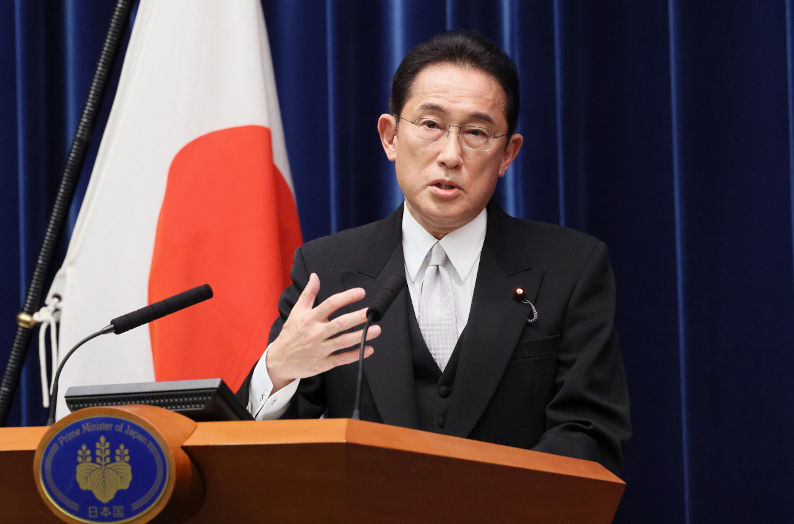
How can it happen that a person who probably no longer exists can keep an entire nation, North Korea, in poverty for more than twenty years, and the rest of us under prolonged nuclear threat? The story is complicated. (more…)
Gregory Clark
-
Western hawks continue to see North Korea as a target for attack
With Japan’s former prime minister, Shinzo Abe, assassinated, Japan’s current prime minister, Fumio Kishida, has been saying he wants direct talks with North Korea’s leader, Kim Jong Un -a reversal of Abe’s position. (more…)
-

Lunacy: Australia pays the US billions to “keep those Chinese at bay”
When Canberra told us we had to join the US in its cruel attempt to prevent a Vietnamese peasant army from overthrowing a US-armed Saigon government, some of us thought the politicians were plain stupid. (more…)
-
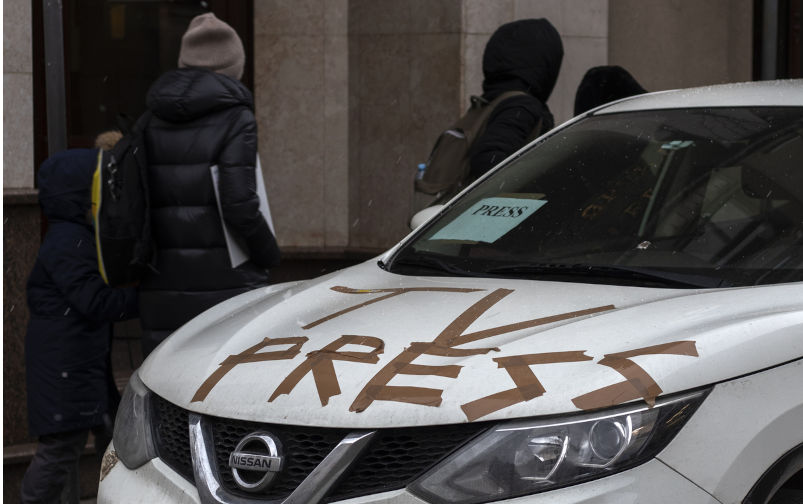
The failure of Western on-the-ground war reporting
On the ground reporting by Western media of the Russia-Ukraine conflict has been weak. (more…)
-
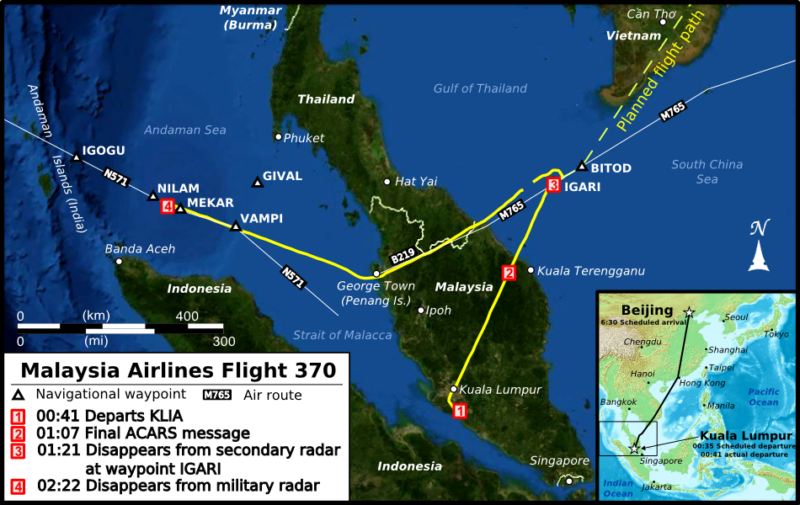
Hiding in plain sight – Malaysian Airlines flight 370
As we approach the tenth anniversary of the 2014 disappearance of flight 370, Malaysian Airlines, we are getting the usual barrage of media speculation about the alleged mystery and its possible causes. (more…)
-
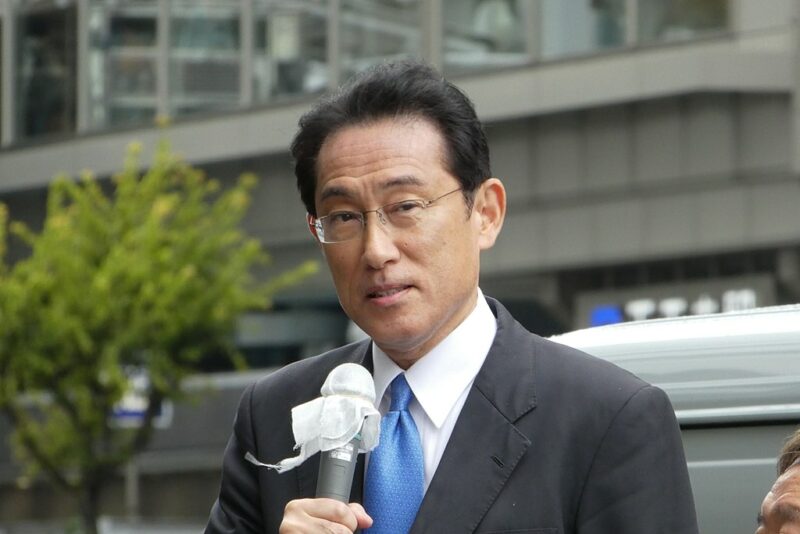
Can war on the Korean Peninsula be averted?
The US seems to have decided it cannot tolerate China as a threat to its global hegemony. (more…)
-

Cautious, middle of the road wisdom won’t solve Asia’s problems
The recent Statement from former Australian Foreign Ministers Gareth Evans and Bob Carr calling for Australia to play a role in seeking detente between the US and China in Asia is worthy. But is it realistic?
It tells us that the Australia-Japan initiated International Commission on Nuclear Non- Proliferation and Disarmament of 2009, is a model of creative, middle power diplomacy.
But in the name of protecting its own security Tokyo rejects any disarmament proposal that hints of sacrificing absolute US nuclear security. How is that supposed to promote detente in Asia?
A resolution of the North Korea problem must be a key to any such detente. But Tokyo was directly responsible for sabotaging the 2002 Pyongyang Declaration that would have seen North Korea make its first move to nuclear disarmament and to joining in North Asia diplomacy.
The sabotage was largely the handiwork of former (now deceased) Japanese prime minister, Shinzo Abe, assisted by fanatical anti-Pyongyang elements who say North Korea is hiding and using people abducted secretly from Japan more than 50 years ago. Some insist the number of abductees could be close to eight hundred.
This is totally unsubstantiated ‘fairies in the attic’ fantasy. Yet the abductee problem was recently voiced again by Japan’s prime minister Fumio Kishida as reason to keep pressure on Pyongyang.
How can we have detente in Asia if Tokyo’s unrepentant foreign policy fanatics continue to receive encouragement at the highest levels?
That Declaration was largely the work of a senior, dedicated Japanese Foreign Ministry official, Hitoshi Tanaka, and the then North Korean leader, Kim Jong Il. How can Asia move to detente when the painstaking work of detente-minded individuals can be so easily discarded?
The Evans-Carr detente statement calls for a freezing of the Taiwan Straits status-quo. But we know this is something Beijing cannot accept. Nor, one assumes, can Australia or the US, since both accepted in the seventies Beijing’s treaty-based claims to Taiwan and both insist they continue to abide by a rules-based international order.
How can there be any detente in Asia if major powers can be allowed to say one thing one day and something different the next, simply as a matter of convenience?
The Statement calls for both sides to ‘desist from demands for absolute primacy’. But at last call Beijing was not seeking any absolute primacy. It was the US with its claims to exceptionalism.
The overall tone of the Statement is cautious, anxiously seeking the middle of the road – similar to what we used to hear during the Vietnam War, with both sides unrealistically called to accept the status quo. Detente in Asia demands some attempt to find justice. Would it be expected to endorse repression by Myanmar generals, for example.
The Statement mentions Henry Kissinger and the former Soviet leader, Leonid Brezhnev, as examples of detente seekers. Kissinger deserves credit for his 1971 move to open the door to China. But the latter was the author of the Brezhnev Doctrine justifying Soviet 1968 intervention to crush Czechoslovakia’s liberalisation.
Nikita Khrushchev was a much better Soviet example. His efforts at detente could have ended the Cold War. But they were shot down by US hawks. And he was overthrown in 1964 by Leonid Brezhnev.
-

Slovakia, Hungary criticise western values, halt support for Ukraine
Slovakia is the poor relation created when the former Czechoslovakia divided in 1993 into the Czech and Slovak Republics. The Czech Republic has hewn closely to EU and NATO policies over Ukraine. But despite NATO membership the Slovak Republic has decided to halt military aid to Ukraine. And its prime minister, Robert Fico, has now come out with a strong pro-Russian statement over the Ukraine conflict. (more…)
-
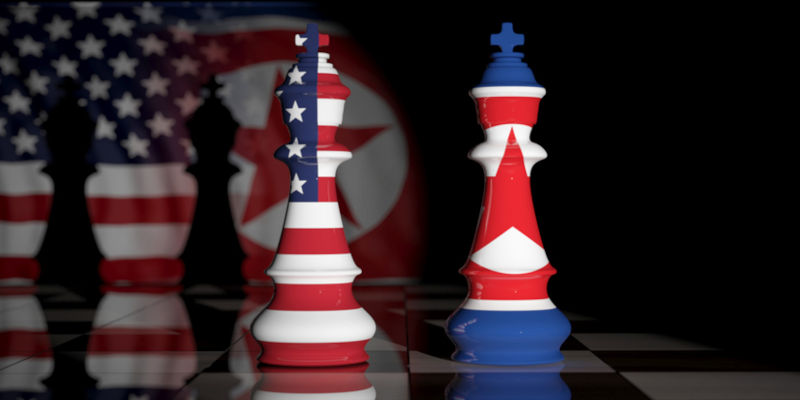
Gut instincts and North Korean relations
Between years 2000 and 2018 the North Korea and South Korea governments issued three joint declarations all promising South Korean economic aid to North Korea and North Korean moves to denuclearisation. (more…)
-
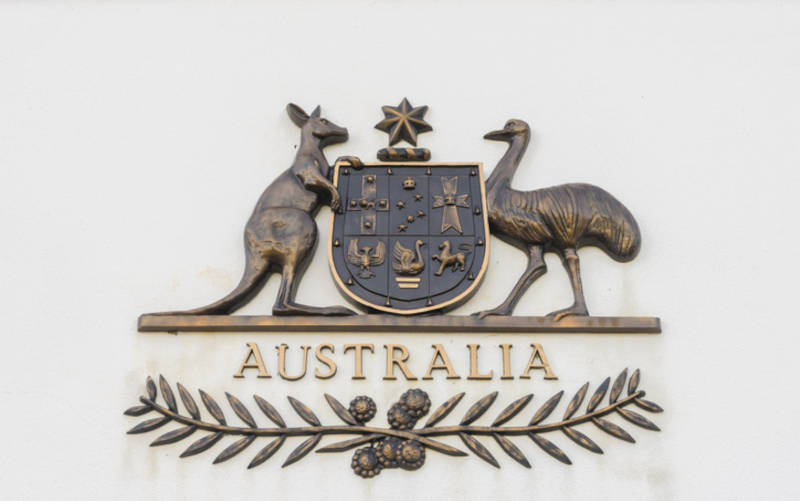
Two grievous Australian policy mistakes-Israel and China
Where fear of China is involved there is no conscience for the mistakes of the past. Nor can we expect any sensibility in the plans for the future. (more…)
-
A fatal blow for Japanese Prime Minister Fumio Kishida
The latest Japanese political scandal involving at least four top government ministers and numerous junior officials is widely seen as a fatal blow to the prime minister Fumio Kishida already dogged by a weak image and record low popularity polls. (more…)
-
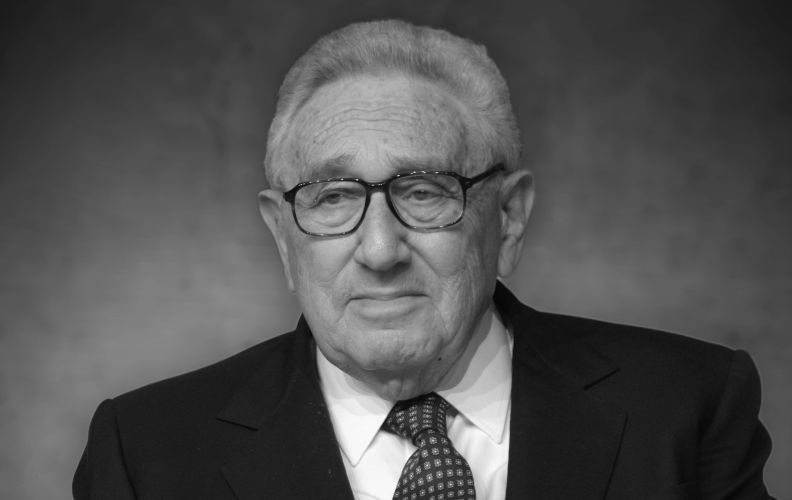
The unflinching cruelty of Henry Kissinger
Henry Kissinger’s death has brought a flow of predictable judgements: ‘He created some evils – 1973 Chile, for example. But overall he helped end the Cold War.’ And as a beneficiary – the 1971 opening to China, for example – Australians should be grateful. (more…)
-
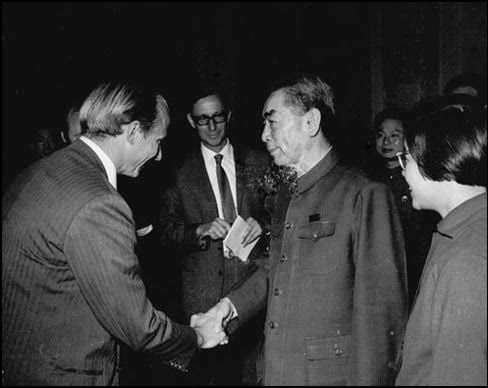
Impressions of China: political stagnation and an economy transformed
After a one week China tour organised by some Chinese entrepreneurs to mark the anniversary of the 1971 pingpong diplomacy which opened China to the outside world, two firm impressions remain. One is the extraordinary pace and dynamism of the economic, and social, progress. The other is the political stagnation, with our guides still clinging to the name of Chairman Mao. (more…)
-
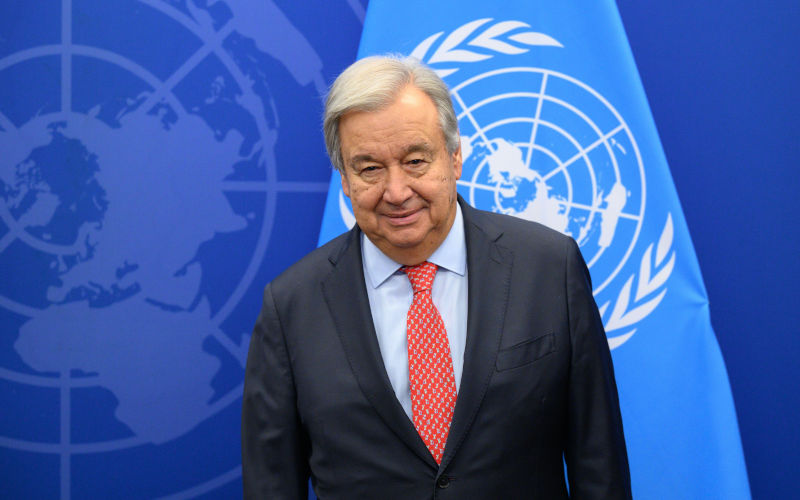
A Western disease of cause-and-effect amnesia
The savage Israeli reaction to the suggestion by UN Secretary-General, António Guterres, that some Hamas actions may be a response to 56 years of Israeli repression was extraordinary. We have long known about Israeli sensitivity to criticism. But this brings things to a new level. Cannot Israel accept even some of its own responsibility for the Hamas response? (more…)
-
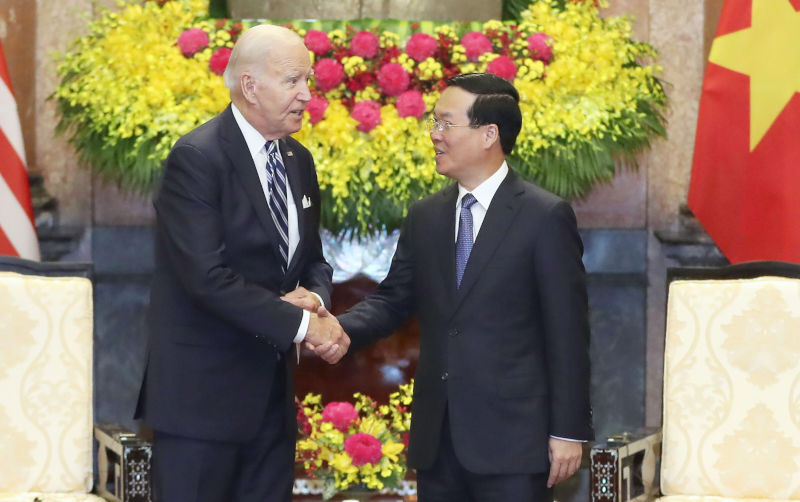
Biden in Hanoi: The ‘Domino theory’ rises again
By chance, US president Biden’s goodwill visit to Vietnam’s communist government in Hanoi came just 50 years after the notorious 1972 Christmas bombings. (more…)
-

War fever and the military-industrial complex
In the wake of communist collapse we have been presented with a new paradigm in international affairs. No, it is not a tinkering with the standard communism versus democracy we have had to tolerate for more than half a century of war. By strange twist of fate it is democracy which is seen as creating the danger. (more…)
-

Autonomy: An answer to the Ukraine war
As the Ukraine war moves to its inevitable climax, with either foreign physical intervention and/or use of tactical nuclear weapons seen as the only answers, maybe it is time to look for another answer. (more…)
-
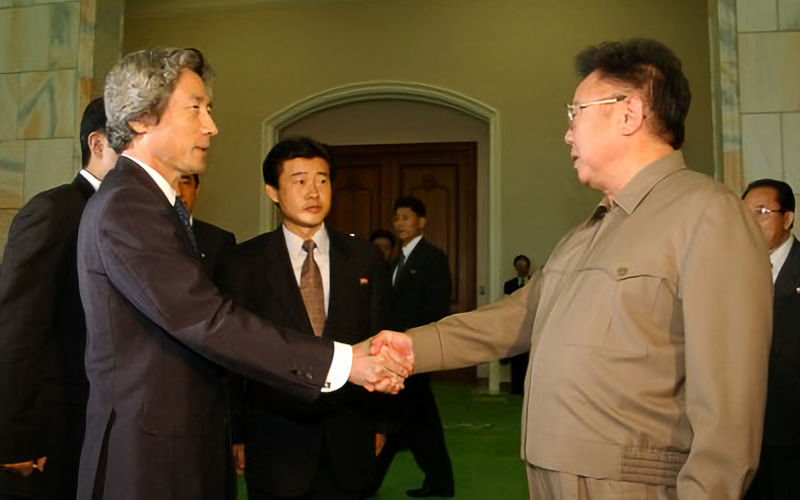
Japan’s dangerous demonisation of North Korea
Japan is a member of the Quad – the grouping that claims it is working for a free, open, prosperous and inclusive Indo-Pacific region. But in its relations with North Korea, Tokyo is not working for anything free, open, prosperous and inclusive. (more…)
-
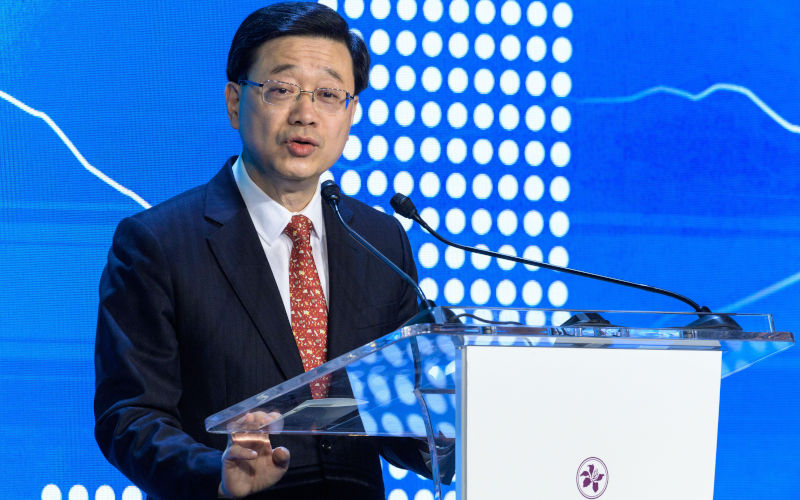
US unilateralism gone mad, HK’s Lee banned from APEC
So US-sanctioned, Hong Kong Chief Executive, John Lee, will not be allowed into the US to attend the forthcoming APEC annual conference. This is US unilateralism gone mad. (more…)
-
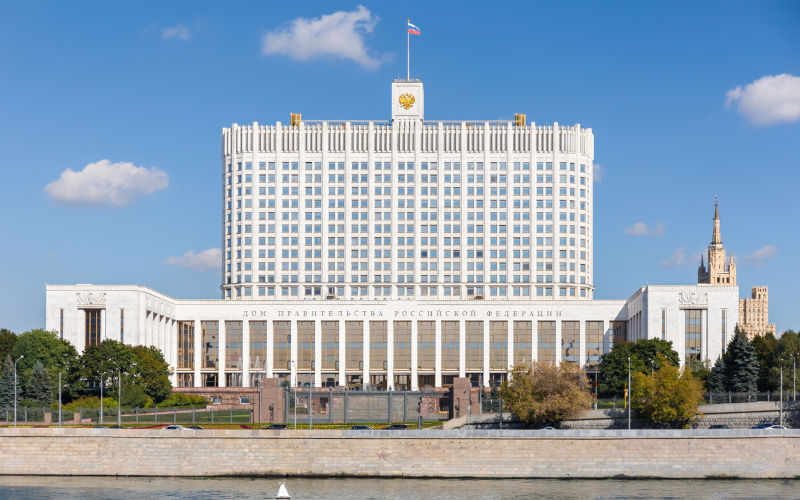
Ukraine and the Minsk Accords
The Ukrainian war could be headed for a dangerous stalement, and at least some of the blame lies with Moscow and its supporters. (more…)
-
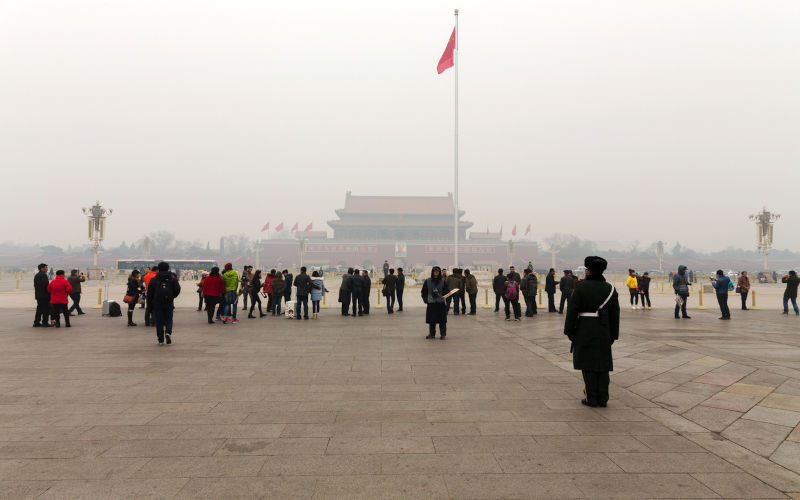
Will the New York Times apologise for its Tiananmen coverage?
The New York Times has in recent years tried to redeem its reputation with a mea-culpa admission over its coverage of the blatantly transparent Iraq Weapons of Mass Destruction myth that enabled the 2003 invasion of Iraq. But over its key role earlier in cementing the Tiananmen Square horror story we have as yet had no admissions of guilt. (more…)
-
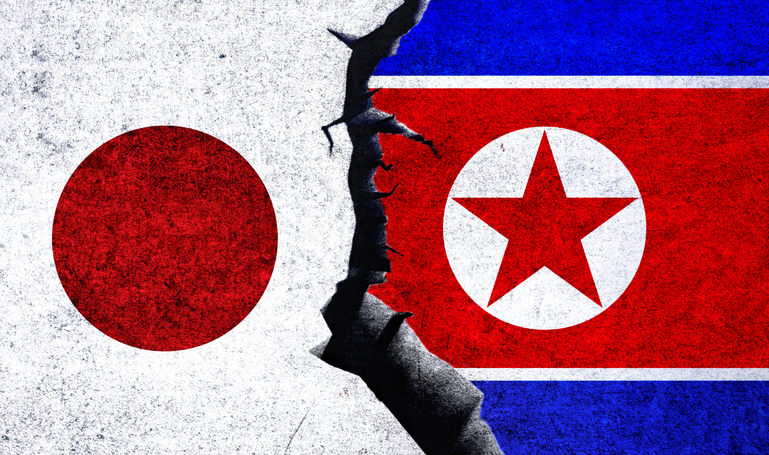
The UN’s anti-North Korea symposium
Japan’s deserves some slack for its sensitivities over its wartime guilt. Others bear some responsibility for that guilt. But for Australia, as much a victim of past Japanese war crimes as most, to have sponsored an UN anti-North Korea symposium today (Friday, June 30) called by Japan in an obvious attempt to justify, or at least obscure, some of those crimes, and prepare the groundwork for future Asian wars, is, well… extraordinary. (more…)
-

Ellsberg’s warning: stop US empire-building wars before they start
There is only one way to stop politicians and bureaucrats from beginning stupid and immoral wars. (more…)
-
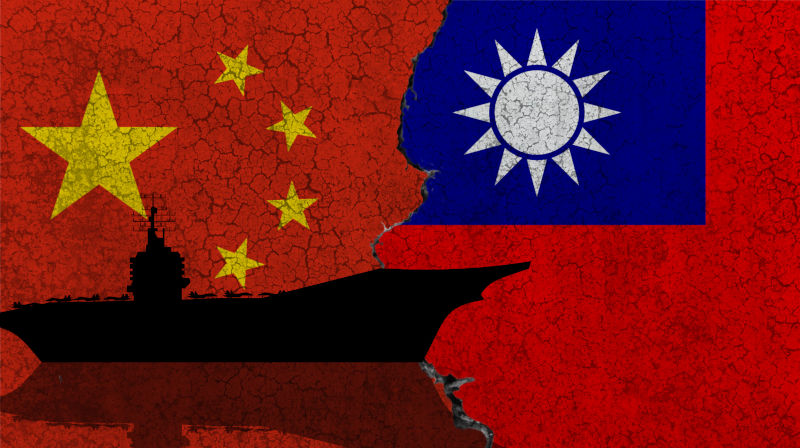
The Western fantasy of a Taiwanese proxy war against China
The Western hope that Taiwan could serve as a catalyst for an attack of China seems likely to remain the fantasy it always was. (more…)
-
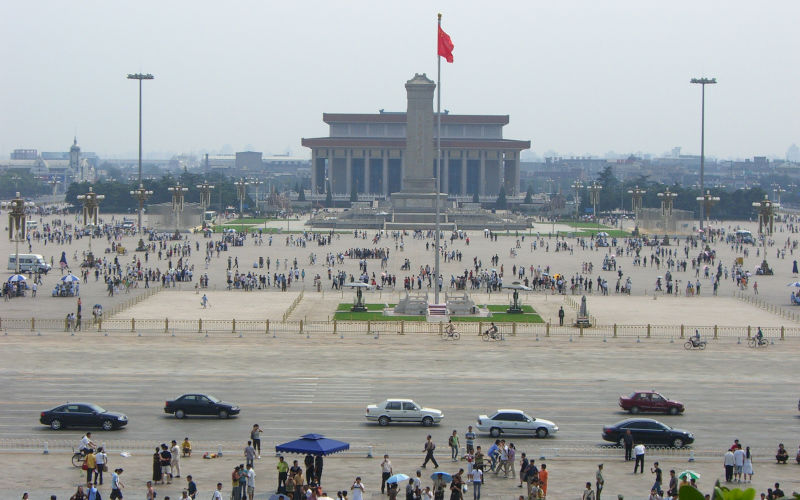
Psy-ops warriors: Tiananmen Square and the media-pack
As a Hong Kong based columnist for much of his writing career Nury Vittachi was known for his persistent anti-Beijing slant. But no longer. What changed his mind was the mainstream media – the BBC in particular – coverage of the 2019 Hong Kong riots. (more…)
-
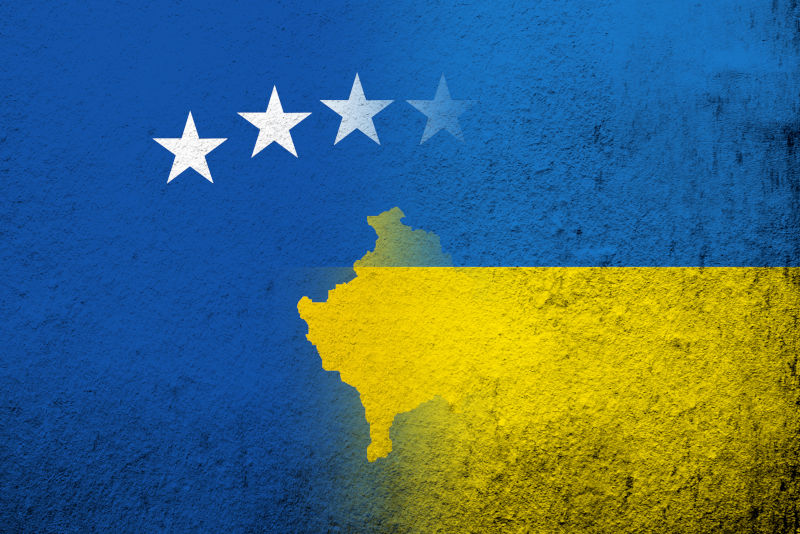
Ugly situation in Kosovo has parallels with Ukraine
The ugly situation developing in Kosovo, formerly a province of Serbia, has parallels with Ukraine. The result could be just as bloody. But is anyone listening? (more…)
-
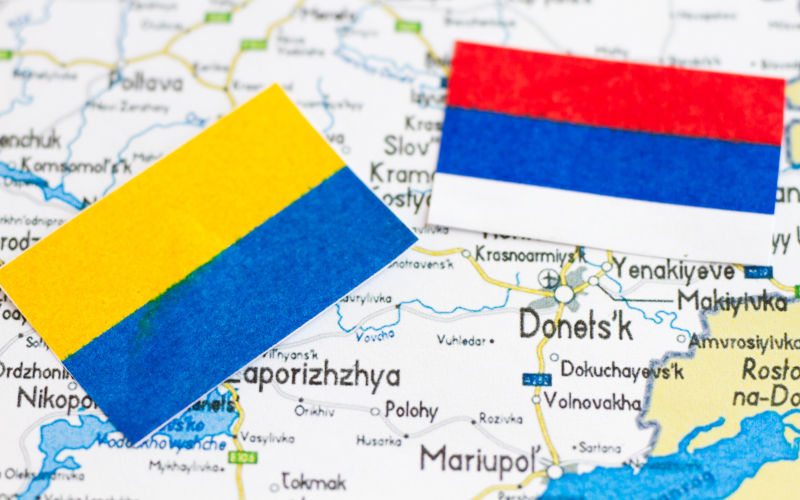
The orbit of Russian cultural influence
One of the stranger aspects of the current war, at least for this observer, is the sight of Ukrainian military commanders telling BBC cameras in perfect Russian of their anti-Moscow plans. They have yet to learn to speak Ukrainian. (more…)
-
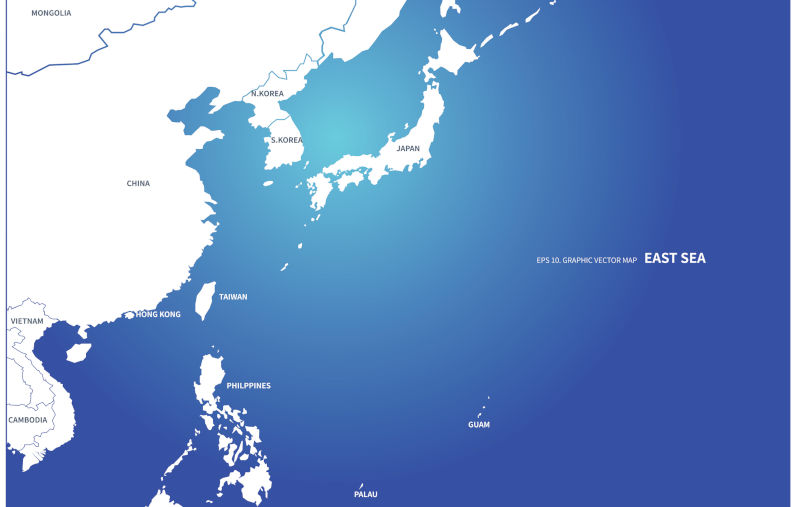
Japan’s ‘strike north’ military faction
As a Quad member Japan is supposed to be focussed on Taiwan and the South China Sea. (more…)
-
Japan-North Korea top secret negotiations
In East West relations it has become something of a habit. First you reach an agreement promising flowers and chocolates. The other side reacts with concessions and hopes for a brighter future. Then your hawks move in. They say you should never have made those promises. The agreement is forgotten or denied, but only after your side has gained what the other side promised. (more…)
-
Despite US pundits, the Taiwanese do not want war
By some strange reasoning NATO, the US and the pundits seem to think the current war between Russia – Ukraine is a precursor to hostilities they expect to see between Taiwan and China. (more…)