
Is Australia’s new industrial policy a way forward to a competitive, innovative, and sustainable future in which the benefits of new technologies such as renewable energy and artificial intelligence are widely shared throughout society? Or a reversion to past failed attempts to protect local industry, pick winners at taxpayers’ expense, lag in innovation and productivity while further contributing to growing inequality by enrichment of the rentier elites? (more…)
Michael Keating
-

Clutching at straws: America will not maintain its economic dominance
Although rarely acknowledged, China is the world’s biggest economy, and it will most probably continue to grow faster than the US, its main competitor. (more…)
-

Dutton’s ignorant, incompetent policies contradicted by evidence
Dutton has finally started to show his hand and build his campaign for the next election around energy policy and housing affordability. The problem is that his ignorance of the evidence demonstrates his incompetence. (more…)
-
Labor’s 2024-25 Budget: competent but not outstanding
After considering Opposition criticisms, this article concludes that this Budget reflects Labor’s competent economic management. However, a more ambitious tax reform agenda is needed to adequately provide all the services that Australians expect. (more…)
-
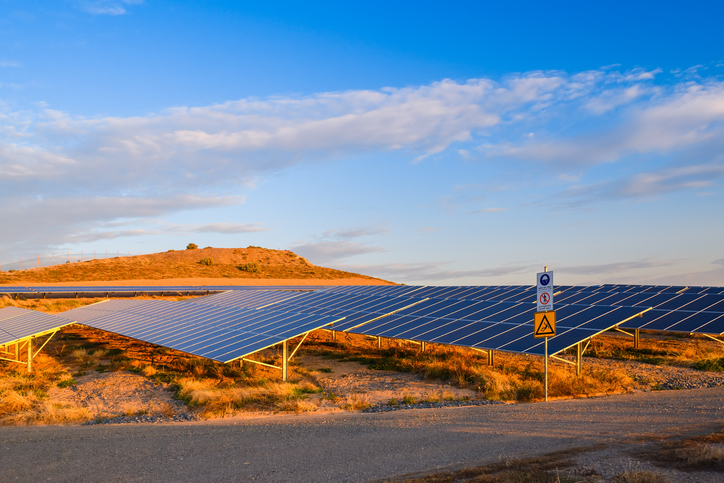
A future made in Australia: Can it work, what are the risks?
Claims that industry assistance comes at a cost to other industries and consumers are too often right. Industry policy should therefore be limited to areas of identified market failure and requires tight evaluation of each case and that performance targets are met. (more…)
-

Why conventional economic theory is wrong about technological change
Society as a whole has a critical interest in the direction of technological innovation. This cannot be left uniquely to a limited group of capitalist bosses. Consultation with all the key interest groups and government regulation have a critical role to play in ensuring future economic growth and a fair go for all. (more…)
-

The impact of AI on the labour market and equality
In future AI is the new technology which is likely to have the greatest impact on our economy and our society. But how AI is used and developed is a choice, and so far AI has been predominantly focused on continuing the emphasis on automation. To realise the full potential of AI and minimise its harmful effects there needs to be more public consultation and regulation to determine the future direction of AI. (more…)
-

Sharing the benefits of technological progress
This is the first of three articles discussing how the benefits of technological progress are shared, and thus determine the distribution of income and influence our economic and social structures. This first article focuses on how these benefits have been shared historically. (more…)
-

Housing affordability and equality: part 2
Yesterday, Part 1 of this article discussed the decline in housing affordability and the consequent increase in wealth inequality. Today, Part 2 will discuss possible policies to restore housing affordability in the interests of a more equal and cohesive society. (more…)
-

Housing affordability and equality: part 1
The first part of this article explores how home ownership has become almost impossible for most aspiring first-home buyers and how that is creating a much more unequal distribution of wealth. A second part tomorrow will discuss the policy options to restore home ownership and thus a more equal and cohesive society. (more…)
-
What does Dutton stand for?
Dutton regularly proclaims what he opposes, but what he will do in terms of new policies mostly remains a mystery or alternatively will not work. (more…)
-

The future of tax reform
There are recurrent calls for tax reform, but it is typically too difficult to achieve a consensus. However, the necessary action to reduce carbon emissions by introducing a tax on carbon emissions could result in most people being better off and thus achieve broad support. (more…)
-

Restoring Australia’s prosperity by becoming a superpower
The debate about climate change is far too often in denial. It needs to change to focus on the positives of how Australia can become a Superpower based on green energy and products that rely on green energy. (more…)
-

US Intervention to end the war in Gaza
What is almost universally agreed is that an enduring peace settlement for Palestine must be based on a two-State solution. However, getting that settlement accepted will require active intervention by the US to broker the deal. (more…)
-

Labor’s rejigged Stage 3 tax cuts benefit 84% of taxpayers
After due consideration of the main criticisms, the Labor Government’s rejigged Stage 3 tax cuts seem to be a good way of responding to the cost of living crisis without adding to the Budget deficit and inflation. (more…)
-
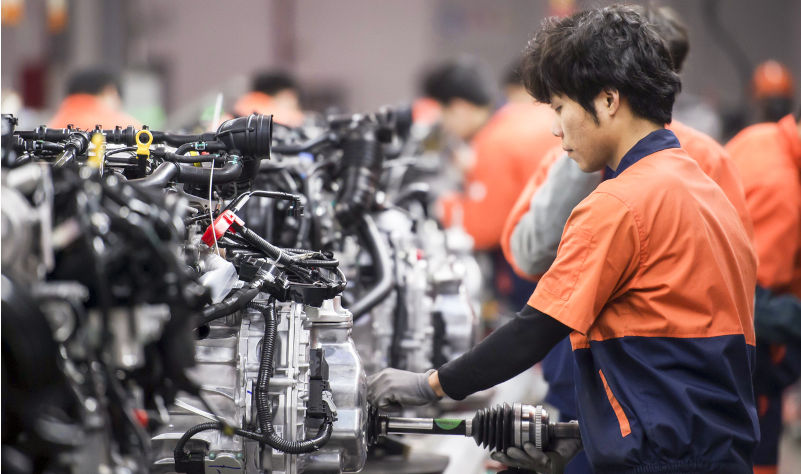
Is China an economic threat?
America insists on treating China as an economic threat, but the reality is that China’s economic advancement has benefited us all. Instead, the stagnation of wages and manufacturing job losses experienced by Trump supporters in the US largely reflects the impact of technological change. (more…)
-

‘Exceptional’ country: Where is US leadership on Palestine?
The US proudly proclaims its exceptionalism and leadership of the free world, but in the latest Israeli-Palestinian flareup US leadership has been absent. A lasting peace settlement will require the US to take the lead in pushing forward the widely supported two-state solution. (more…)
-

The Albanese Government’s economic management and the cost-of-living crisis
The Albanese Government’s economic management has been very competent, but unfortunately also marked by a lack of ambition in tackling the challenges facing Australia. (more…)
-
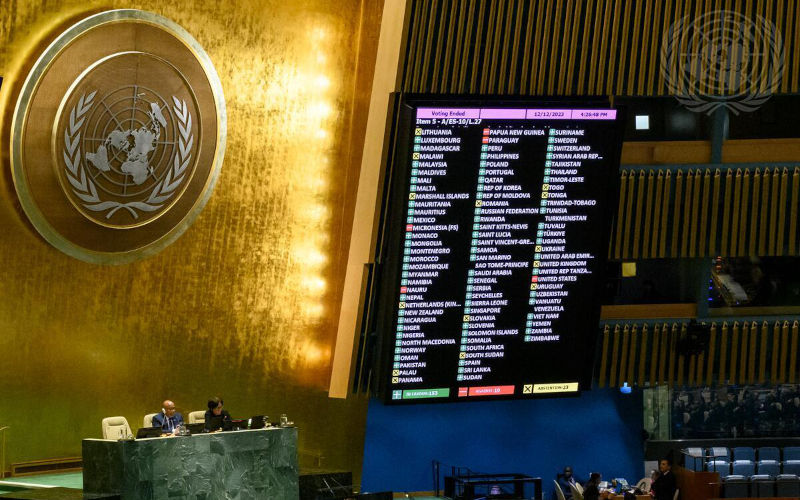
How to end the war in Gaza
It is urgent to end the loss of life and destruction in Gaza, but as the joint Statement by the Prime Ministers of Australia, Canada and New Zealand recognises, a sustainable ceasefire will require agreement to a balanced set of conditions consistent with eventually achieving a lasting peace based on a two-State solution. This is how to end the war in Gaza. (more…)
-

The outlook for interest rates
The Reserve Bank is widely expected to increase interest rates further. However, what is now critical to achieving the Bank’s inflation target is the future increase in labour costs, and this may come down sufficiently without any further interest rate rises. (more…)
-

The cost-of-living crisis: How should the Government respond?
Living standards have fallen recently. The Albanese Government has responded with targeted assistance, but the policy options to alleviate the damage for working families are limited, especially in the short run. However, one readily available policy option would be to reshape the Stage 3 tax cuts due to take effect next July. (more…)
-

Gaza: Israel is winning the battle but losing the war
As was to be expected, Israel is winning the battle for Gaza, albeit at an enormous cost in lives. But what are Israel’s and its backers’ plans for winning the peace, as without an enduring peace settlement the war can never be won. Is a US-led, UN mandated Trusteeship for Palestine the way forward? (more…)
-

The structural challenges facing the Chinese and American economies
The two major economies, China and America, have severe structural imbalances between their savings and investment, which could significantly damage their medium-term growth prospects, with consequences for the rest of the world. (more…)
-

Australia’s fiscal challenge
Productivity growth will be less than projected in the Intergenerational Report, the budget deficits will be worse, and the Government should be setting the scene for raising more revenue. (more…)
-

The APS: Balancing responsiveness and independence
Since the Robodebt saga there have been many calls for a more independent public service that can be trusted to provide competent advice frankly and fearlessly. In that case a key issue is how departmental secretaries are appointed and dismissed. (more…)
-

Pearls and Irritations: A unique source of independent comment and analysis
Pearls and Irritations is a unique source of independent comment and analysis. Readers know that they will learn more and have a better and different understanding of important policy issues than is available from the mass media. (more…)
-

The RBA is on a knife-edge between recession and inflation
Monetary policy operates with a lag. The pain from increased interest rates is only now starting to really bite. However, the substantial increase in interest rates is reducing demand and thus bringing inflation down. While on the other hand, further interest rate increases add to the risk of a recession. It is time therefore to pause further increases in interest rates. (more…)
-

The cost of living crisis – so what would Dutton do?
Peter Dutton incessantly declaims about the cost of living crisis, blaming the government. But what would he do instead? (more…)
-

Robodebt and the APS
The Robodebt scandal reflects badly on the Australian Public Service generally, and not just on those immediately responsible. (more…)
-

Corruption and the expenditure of public funds
Although Gladys Berejiklian’s intervention to fund projects in her boyfriend’s electorate may not have been illegal, it should have been. The legislation and rules governing the financial management of public programs should be tightened to prevent such pork barrelling. (more…)