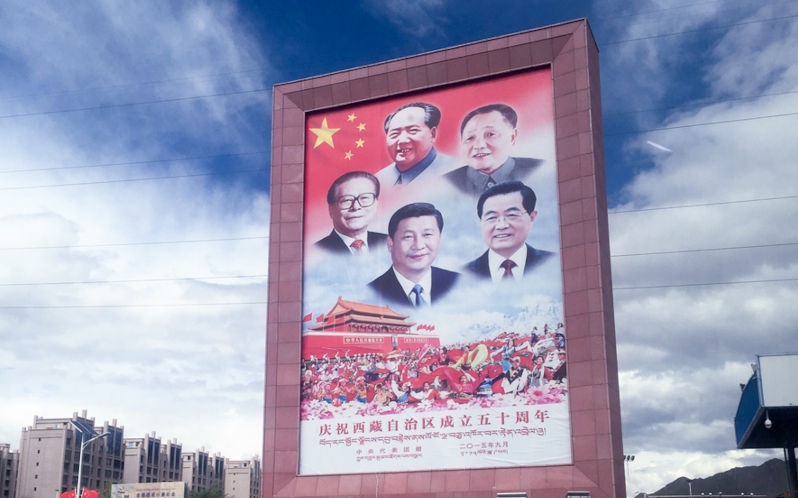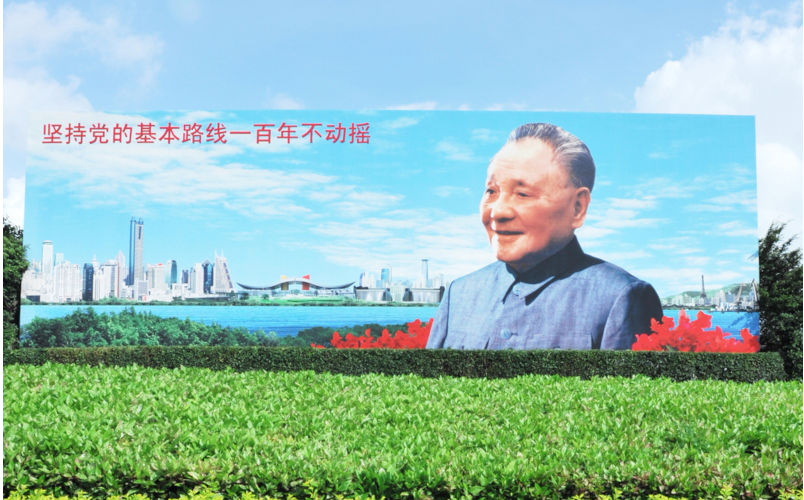
On 22 August, China commemorated the 120th anniversary of Deng Xiaoping’s birth. The third Plenary Session of the Communist Party of China in 1978 marked the beginning of China’s reform and opening-up under the leadership of Deng. His reforms transformed China from one of the poorest countries to the world’s second-largest economy. China’s gross domestic product expanded at what economists have described as a “miracle rate”. (more…)
Category: China
-
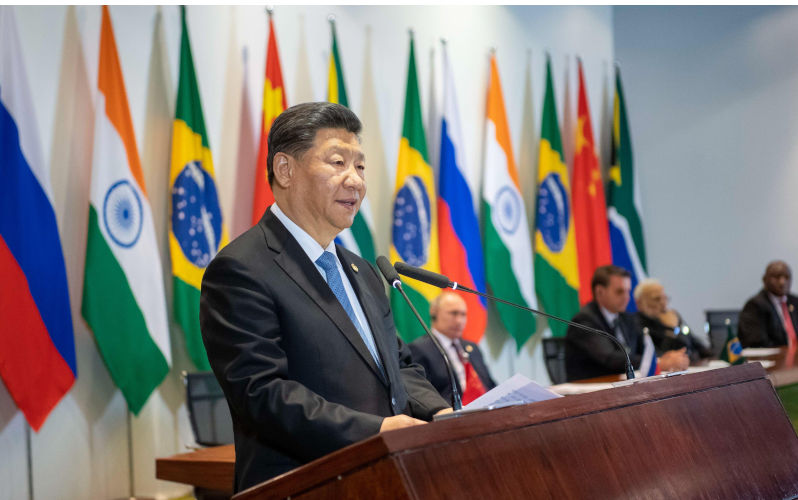
The United States and its allies need to avoid caricaturing China in their foreign policies
Nicholas Ross Smith, from the University of Canterbury, argues that the temptation to essentialise China as simply being a Xi-led CCP monolith that will stop at nothing to re-integrate Taiwan and seek global domination overlooks the complexity of domestic politics in China. Basing policy on a simple caricature of China is a recipe for disaster. (more…)
-
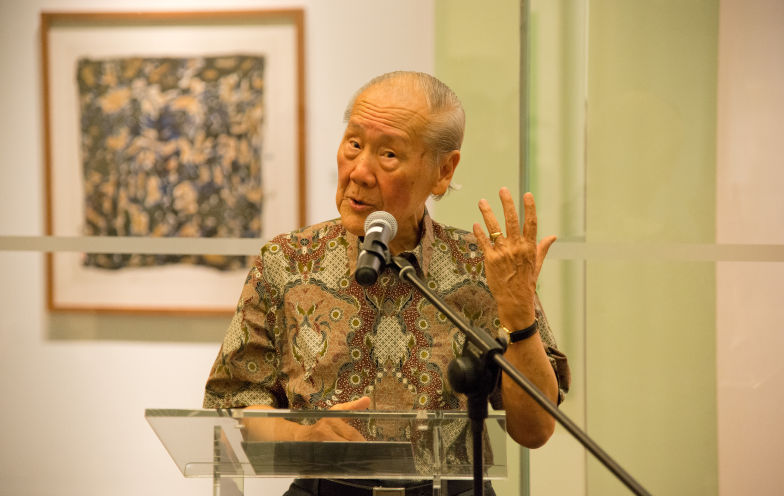
Professor Wang Gungwu: important recent China reflections
Prof Wang Gungwu, who is now 94, is an historian without equal. When someone alerted me that he would be giving an online lecture at HELP University in Kuala Lumpur on 10 August, I lost no time in signing up for a seat at the university’s Damansara auditorium. (more…)
-

India’s loss in Bangladesh not necessarily China’s gain
The fall of Sheikh Hasina’s government in Bangladesh has been described as a strategic loss for India and a potential gain for China. But various obstacles may hinder China from gaining greater influence in the region. Political instability, economic challenges, and India’s enduring importance to Bangladesh will limit the extent of China’s influential inroads. (more…)
-
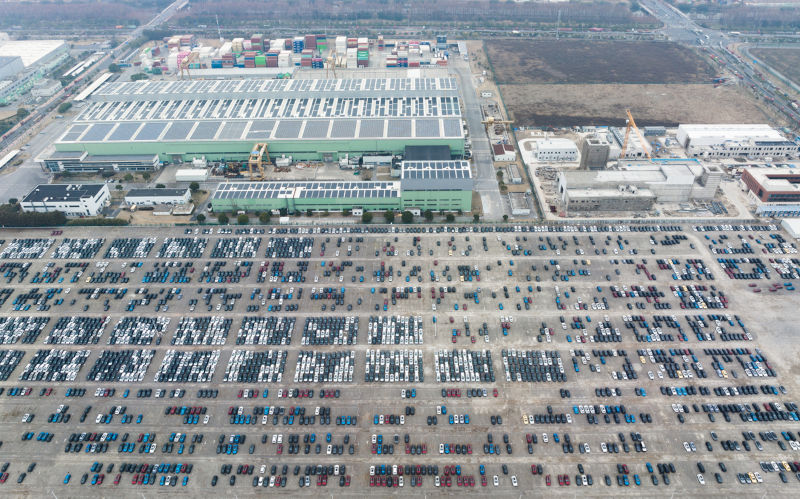
Burning the EV bridges with China is risky
While Kamala Harris and former president Donald Trump are engaged in a tight presidential race by highlighting their differences, they share similar perspectives about China. They both hold the common belief that the imposition of higher tariffs will stimulate economic growth. However, the intricate network of tariffs implemented by both the Trump and Biden administrations is generating trade tensions, adversely affecting American consumers, and hindering innovation. (more…)
-
Chinese culture helps advance modernisation
China’s traditional culture has contributed greatly to the country’s modernisation. Yet it is not the only factor that has advanced Chinese modernisation. The process of modernisation has been driven by factors such as industrialisation and greater equality brought about by socialism, which have been provided by the leadership of the Communist Party of China. (more…)
-
Aiming for the messy truth: The first Australian journalist returns to China
Will Glasgow’s report from Beijing in the Weekend Australian of 24/25 August is cause for celebration. Since the last Australian journalist left China four years ago, reports on this most important neighbour and on matters of concern to both countries have been either second-hand or coming from non-Australian sources. (more…)
-
Keating was wrong. Australia is already the 51st state of the US
Paul Keating is wrong when he says that Anthony Albanese risked making Australia the 51st State of the United States of America. Not so! Australia is already the 51st State of America, in all but name. (more…)
-
Beyond US hegemony: creating a visceral fear of China
It is difficult to understand why Senator James Patterson and “dewy eyed” Defence Minister Richard Marles think of China as part of a threat environment. There is a remarkable agreement between these two defence mavens from the opposite sides of politics that has a common source. (more…)
-
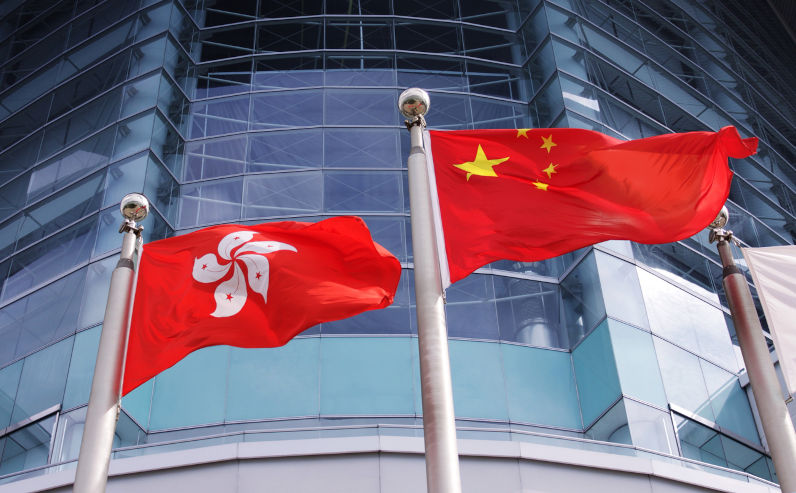
Deng Xiaoping’s legacy in Hong Kong – the unfinished business of one country, two systems
As China commemorates the 120th anniversary of Deng Xiaoping’s birth, the Post examines his legacy across generations. In the final part of a three-part series, we look at Deng’s vision for Hong Kong and how much of it has been realised. Here is part one and two.
(more…) -
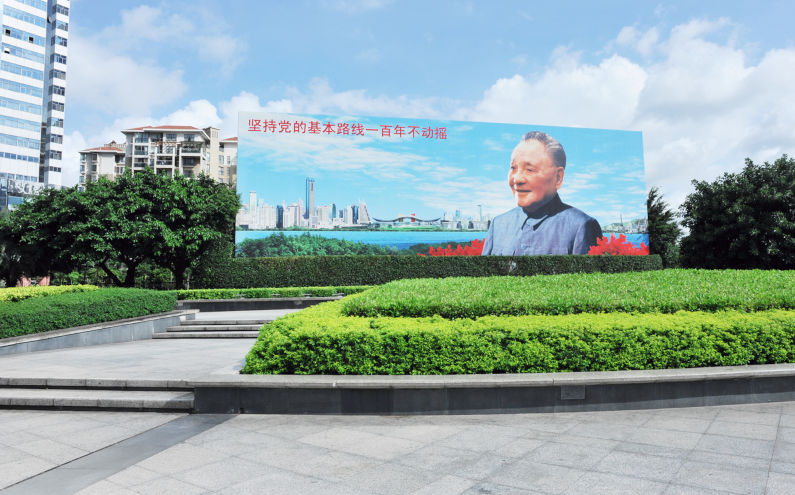
‘Millions benefitted’: why generations see Deng Xiaoping as the architect of modern China
As China commemorates the 120th anniversary of Deng Xiaoping’s birth, in the second instalment of a three-part series, we look at the impact of his policies – from the factories to the countryside.
(more…) -
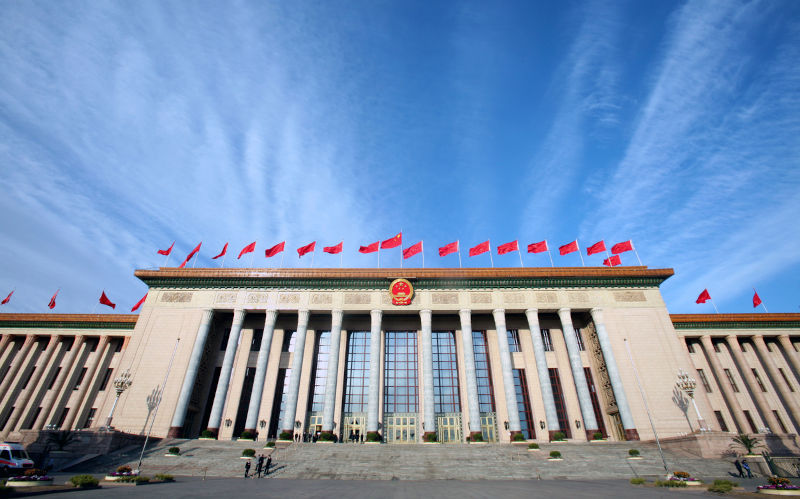
Historic plenums path to modernisation
Deng Xiaoping (1904-97) was born in Guang’an, Sichuan province, 120 years ago. By the age of 74, the man who had witnessed nearly the entire 20th century changed China’s trajectory and indirectly shaped the world as we know it today. (more…)
-
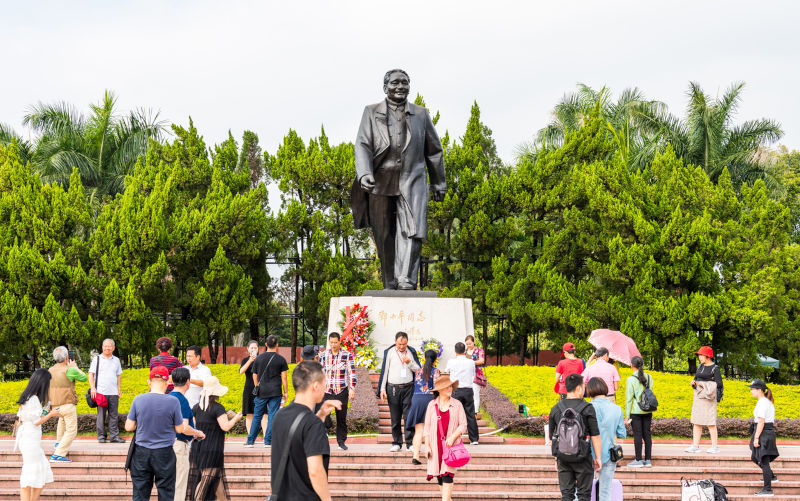
As China celebrates Deng Xiaoping’s legacy, the country is again at a crossroads
As China commemorates the 120th anniversary of Deng Xiaoping’s birth, the Post examines his legacy across generations. In the first of a three-part series, we look at Deng’s continuing resonance with the ruling Communist Party’s leadership.
(more…) -

From Aussie politics to Henry Lawson: the story of how ‘Australian studies’ spread across China
There are nearly 40 Australian studies centres in China’s universities and institutes. This is a greater number than anywhere else in the world, including in Australia itself. (more…)
-
Is peaceful cooperation a hopeless pipe dream?
According to Matt Pottinger, ‘a China expert and deputy national security adviser in the Trump White House…anyone who has entertained the idea of stable ties with Beijing is really smoking dope.’ If that’s what it takes, it might be time to light up. (more…)
-

China’s open source revolution: innovation through collaboration
While Western nations often celebrate private ownership as a driver of innovation, China’s traditional focus has been on how intellectual property can best serve the collective needs of the nation, particularly in economic development and technological self-reliance. In recent decades, however, China’s approach has undergone a significant transformation. It has shifted from imitation and adaptation to strategically embracing open standards, open-source technologies, and collaborative development. (more…)
-
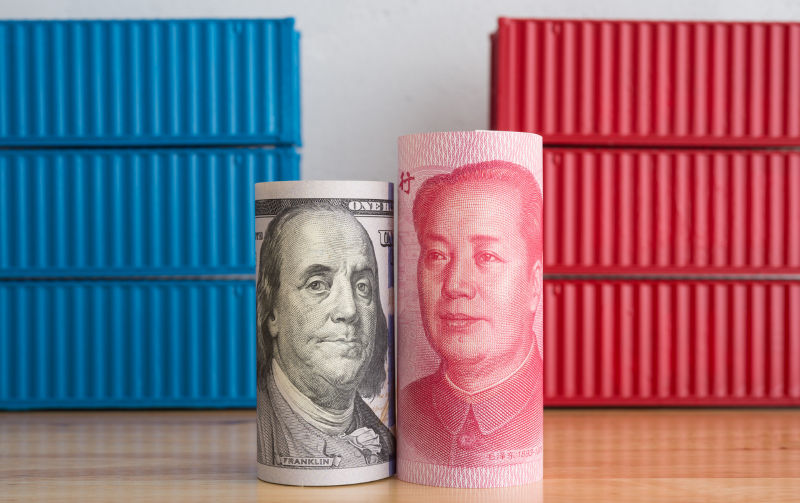
China and the US are facing parallel economic conundrums
Mutual economic quandaries as both try to reshape their economies may force the two bitter rivals to learn to live with each other again. (more…)
-

NATO threatens Asia-Pacific stability
Fear of China is often used to explain NATO’s desire to expand into Asia. The headline reason masks a longing to restore a romanticised empire. (more…)
-
Shocking news: China is kicking more global goals
Is China mired in economic misery while bogged down by old habits- or very successfully developing its exceptional manufacturing prowess as it expands and consolidates its influence across the Global South (and well beyond)? Never mind any apparent contradiction, one leading global weekly answers yes and yes to these two questions. (more…)
-
The red glare of Xi’s second PLA purge
In June 2024, China’s Politburo expelled former ministers of national defence General Li Shangfu and General Wei Fenghe from the Chinese Communist Party for violating political discipline and accepting bribes. The persistent corruption amid China’s top military brass has raised concerns over potential disloyalty and military readiness, casting doubt over President Xi Jinping’s control over the Community Party despite a decade-long anti-corruption campaign. (more…)
-
A compelling narrative on the resilience and enduring legacy of Chinese civilisation
George Yeo Yong-Boon, a distinguished former Foreign Minister of Singapore, offers a compelling narrative on the resilience and enduring legacy of Chinese civilisation. His reflections span China’s adept handling of the COVID-19 pandemic to its ancient water management systems, revealing a civilisation rooted in wisdom and adaptability. (more…)
-

The Americanisation of our public policy, media and national interest
John Menadue AO eminent former public servant, ambassador and businessman – now independent founder, publisher and Editor in Chief of the online public policy journal ‘Pearls and Irritations‘ – offers an in depth conversation about how Australian public policy is making us more vulnerable in dangerous geopolitical times, by compromising pursuit of our sovereign interests, power and diplomatic capacity in favour of over reliance on our alliance with America and its interests. (more…)
-

Why US politicians are picking on Chinese Olympic swimmers
As with Washington’s routine attempts to challenge all things Chinese as well as global multilateral agencies, its row with the World Anti-Doping Agency is par for the course. (more…)
-
China’s six unseen struggles, and triumphs
Western media analysts often fail to grasp the significance of the reforms initiated at the Third Plenary Session of the 20th National Congress of the Communist Party of China in Beijing (CPC), which recently concluded in Beijing. (more…)
-
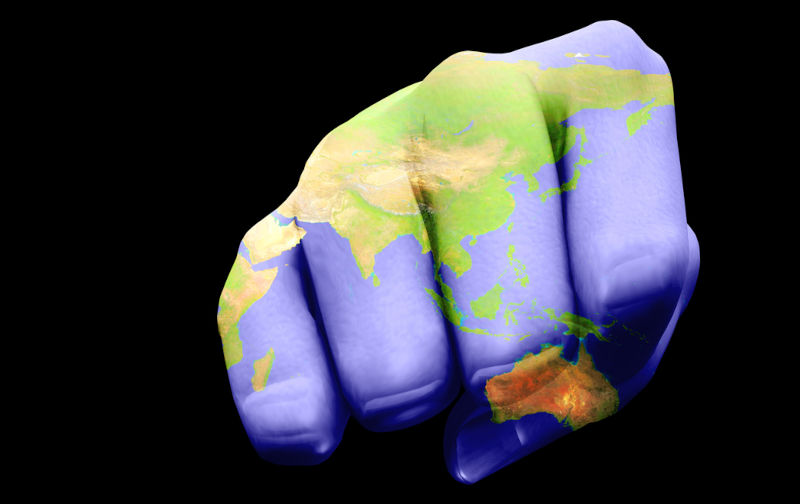
Australia’s economic security depends crucially on working with Asia
Australia has unveiled a new National Interest Framework which integrates security considerations into domestic economic policy, aiming to secure economic resilience and security amidst changing global power structures and increasing geopolitical tensions. But Australia has not yet placed strategic economic diplomacy at the forefront of the framework. Managing Australia’s security environment requires emphasising the importance of maintaining reliable international and domestic supply chains, managing foreign investment, and adapting to significant influences such as rising powers like China and the accelerating impacts of climate change. (more…)
-
Steady as she goes
China’s Third Plenum consolidated the significant changes in policy direction foreshadowed in previous quietly implemented policy designed to progress towards the goal of common prosperity. (more…)
-
The great reversal: Britain and China
Kerry Brown is Professor of Chinese Studies and Director of the Lau China Institute at King’s College, London. He recently spoke about his important new book, “The Great Reversal: Britain, China and the 400 Year Contest for Power” (Yale University Press, 2024) with Richard Cullen. A fundamental reality, which this stimulating book stresses, is how significant British interaction with China pre-dates the British takeover of Hong Kong Island, in 1842, by around 250 years. The British colonisation of Hong Kong was an important turning-point during the 400-year contest captured in the title – but not more than that. (more…)
-
Peak China? Judge by outcomes not ideology
Distinguishing in part between cyclical and structural economic challenges facing China, (eg, real estate busts vis further urbanisation potential) Geoff Raby, AO, former Australian Ambassador to China, to APEC and WTO, is sceptical of arguments propounding ‘peak china’ economic growth. (more…)