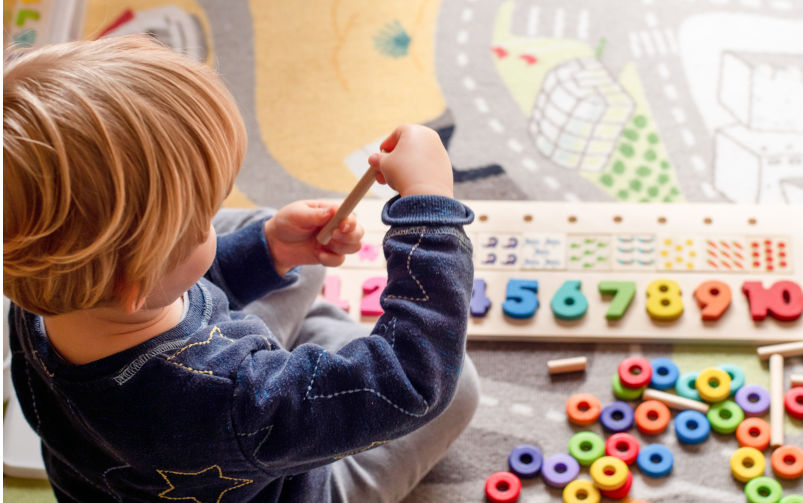
The 3-Day Guarantee gives more families access to subsidised early education and care, but universality requires something more fundamental: a guaranteed place and a government responsible for providing it. (more…)
Category: Education
-

Be careful – international students are listening
A South Asian perspective on migration politics, student confidence and the long-term value of Australian international education. (more…)
-

AI can now outperform most law students. Universities need to rethink assessment
AI models now outperform many law students on real university exams. The challenge is no longer keeping AI out, but designing assessment that shows what students can do without it and with it.
-

Half of Australian workers feel overeducated. So why do we need more qualifications?
Australia wants 80 per cent of working-age people to hold a tertiary qualification by 2050. Yet almost half of workers say they are already overeducated for their jobs. The answer depends on what we think education is actually for. (more…)
-
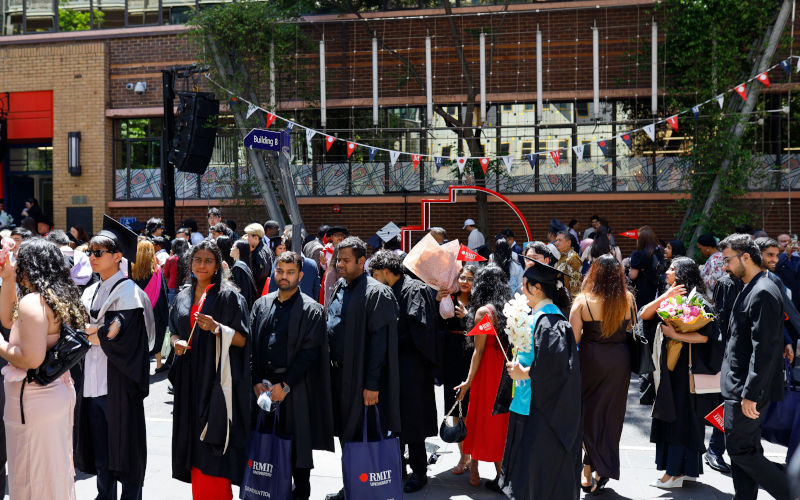
International students face tougher visa rules – but what’s the bigger plan?
New visa rules will make it harder for international students to bring family members or extend their stay through further study, as the government continues its push to reduce net overseas migration. (more…)
-

Why are we still funding Australia’s wealthiest schools?
Australia’s wealthiest private schools continue receiving public funding despite mounting budget pressures, raising questions about whether government spending on education reflects need and the broader public interest. (more…)
-

Aggression against school staff is a workplace failure, not a wellbeing problem
Aggression towards teachers and principals is being normalised as something to manage, rather than treated as a workplace hazard employers must prevent. (more…)
-

Australia must break the link between alcohol, schools and sport
Alcohol-related deaths and harms are rising, yet schools and organisations associated with them still promote drinking. Education should help break the cycle, not reinforce it.
-
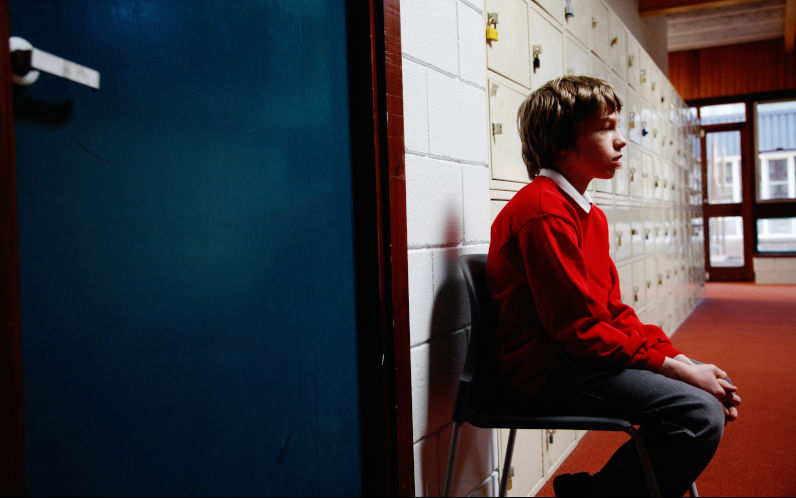
A system that abandons adolescents with severe behavioural needs
Adolescents with severe behavioural needs are too often treated as beyond help. As suspensions rise and specialist provision narrows, Australia’s public education system risks abandoning them when support matters most. (more…)
-
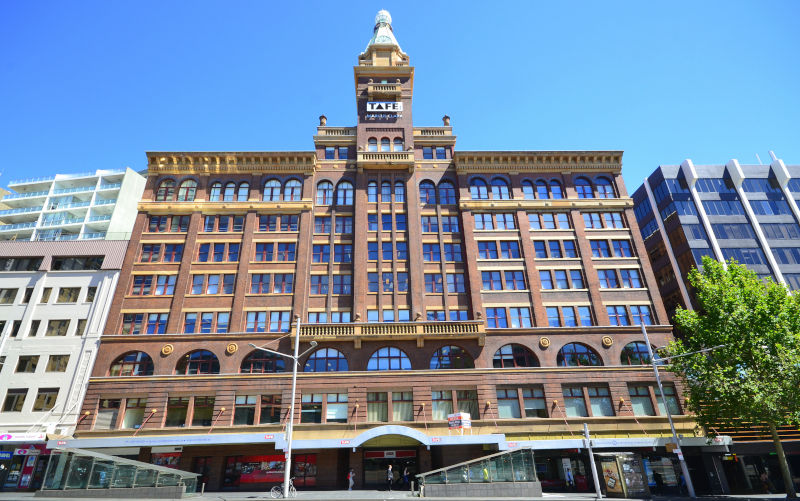
We need more Voc Ed students. Here’s why
Australia relies on vocational education to build its future workforce, but declining enrolments in full qualifications risk deepening skills shortages in construction, care, clean energy and other critical industries. (more…)
-
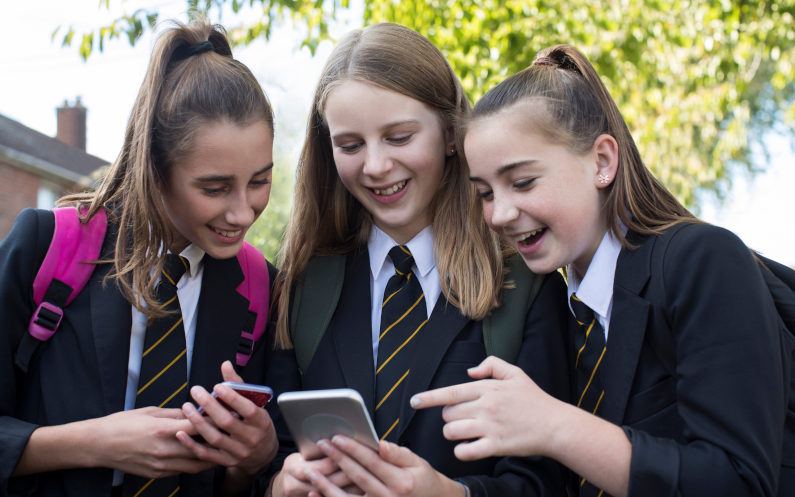
Why banning social media won’t make young Australians less anxious
Young Australians have plenty of reasons to feel anxious and angry. Blaming social media misses the deeper causes – and the challenge of navigating an increasingly complex world. (more…)
-

Australia must rebuild its Asian language capability
Australia’s Asian-language capability has declined for decades, weakening our ability to understand and engage with our neighbours. Labor’s new language program may make a difference. (more…)
-
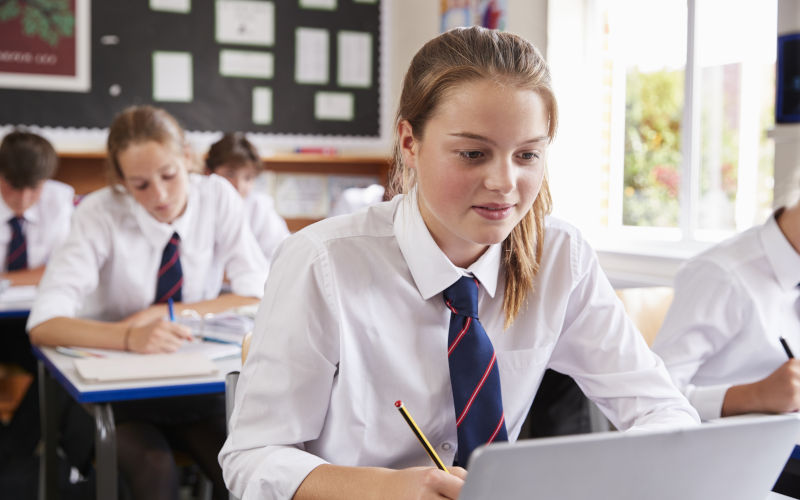
Education philanthropy is getting better at picking winners
Private-school scholarships can transform individual lives, but selective admissions make success rates a poor measure of what schools achieve – and leave the hardest-to-help children largely invisible. (more…)
-
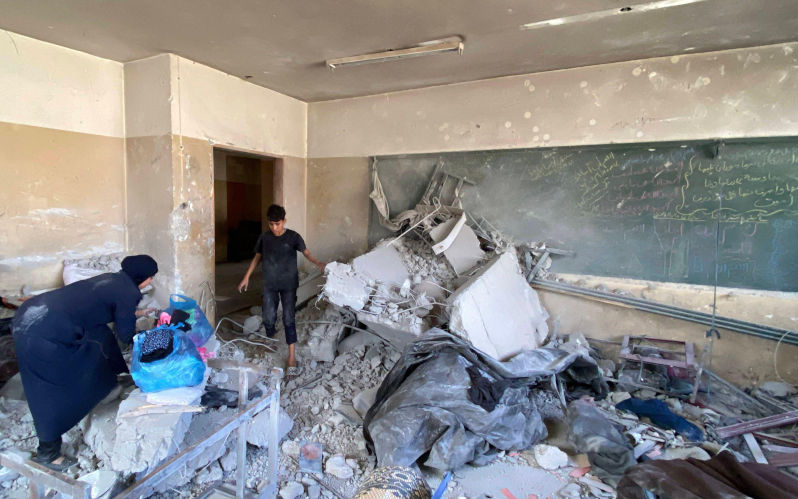
Seven hours to prove he speaks English: Gaza students in visa limbo
Young Palestinians offered a place by Irish universities shouldn’t lose that future because the mechanisms of a visa system can’t accommodate the reality of the place from from which they are applying. (more…)
-
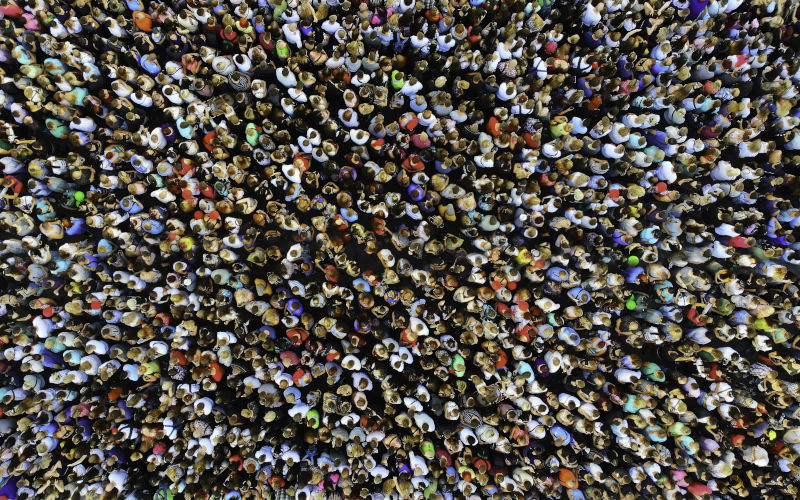
The democratic danger of knowing more and understanding less
Humanity has built an extraordinary system for producing and sharing knowledge, yet many people still lack a broad understanding of the systems shaping their lives. That gap is becoming a democratic dilemma. (more…)
-

Teaching is a calling. That’s no excuse to underpay teachers
Teaching can offer meaning, dignity and a profound sense of responsibility to others. But devotion to the work should never become an excuse for poor pay, insecurity or burnout. (more…)
-

Better education begins with better democracy
Australia’s increasingly segregated school system is weakening both educational equality and social cohesion. Breaking the policy deadlock may require giving citizens a greater role in shaping long-term decisions about education. (more…)
-
Public education should be a Liberal cause
A belief in merit, individual effort and opportunity means little if children begin life with radically unequal chances. Strong public education should be as much a Liberal commitment as a Labor one. (more…)
-
NAPLAN lets governments claim the gains and blame schools for the failures
NAPLAN results are too often treated as proof of teaching quality alone, while funding gaps, staffing shortages, disruption, disadvantage and student need are pushed out of view. (more…)
-
When leaders break the deal – Message from the Editor
Much of our focus this week has been on what happens when democracy, or the leaders we elect, let us down. (more…)
-
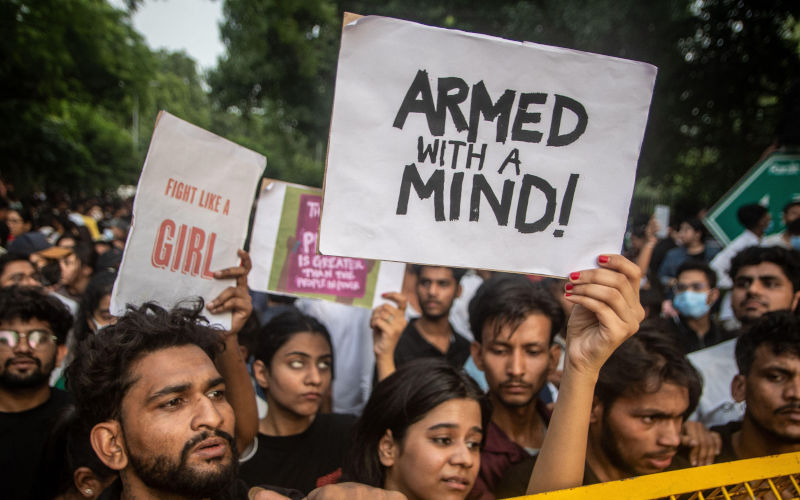
India’s students reject the compliance machine
India’s student protests exposed a deeper crisis: an education system built around high-stakes exams, compliance and fear is no longer delivering secure futures or good jobs. (more…)
-
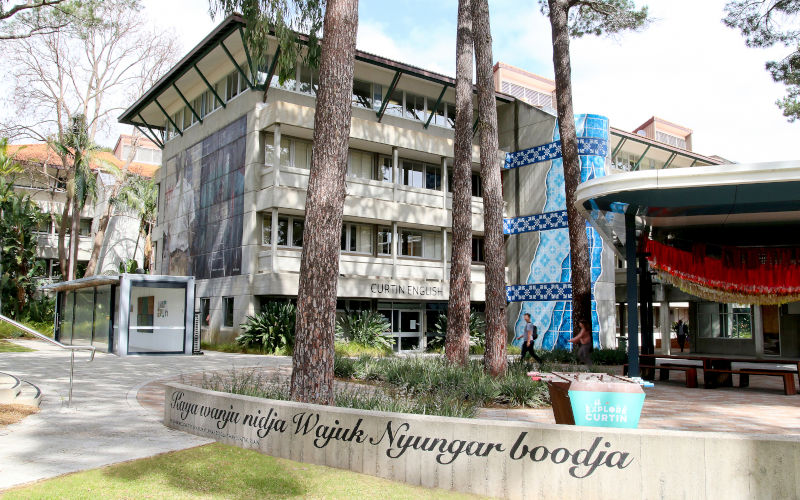
University racism definitions won’t dismantle racism
The government’s push for universities to adopt racism definitions risks turning anti-racism into compliance policy while leaving structural racism untouched and constraining speech on Palestine.
-

Disability statistics hide the burden public schools carry
Aggregate disability statistics suggest the schooling sectors share responsibility, but they can conceal where the most complex support needs actually land – and what public schools are expected to absorb. (more…)
-
NAPLAN results are coming. So is the same old story
NAPLAN can reveal broad patterns in literacy and numeracy, but it cannot diagnose individual student needs and too often turns disadvantage into school reputation. (more…)
-
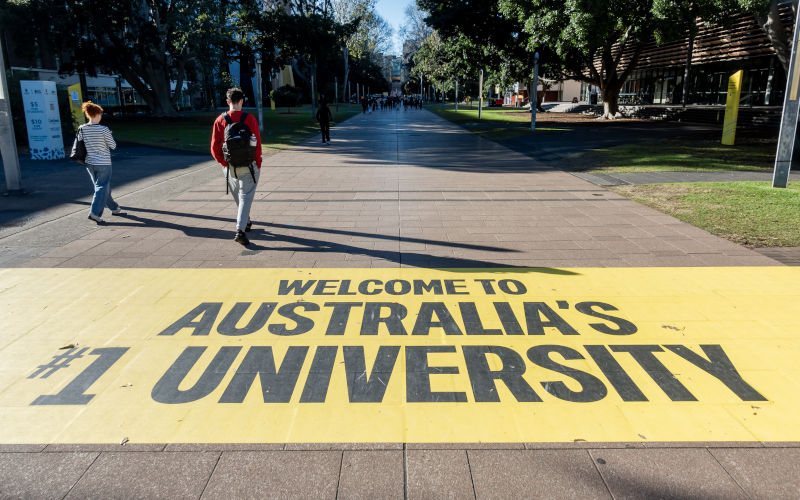
One Nation’s student visa plan would kill a $55 billion export industry
One Nation’s proposed visa cap and threat to deport students would devastate international education, put tens of thousands of jobs at risk and leave universities facing financial crisis. (more…)
-

Australia should not copy America’s China research retreat
Australia’s most influential STEM research increasingly depends on collaboration with China, yet excessive security settings risk pushing universities and researchers away from work that serves the public good. (more…)
-

Campus free speech on Palestine was the real casualty
A people’s tribunal has found that Australian universities restricted free speech and academic freedom on Palestine, even as vice chancellors apologised for not doing more to police protest. (more…)
-
The disappearance of political shame
The Labor party has drifted away from its principles when it comes to funding public education, one of the nation’s defining democratic institutions. (more…)
-

Entitled schools are taking on entitled parents: what about the students?
Governments have fostered a sense of entitlement in private schools. They should be enforcing the principle of putting students first. (more…)
-

Government is contorting itself on overseas students
High student visa refusal rates and extreme fee increases are blunt, haphazard tools for cutting net migration. Australia needs a long-term migration plan it can explain and defend. (more…)