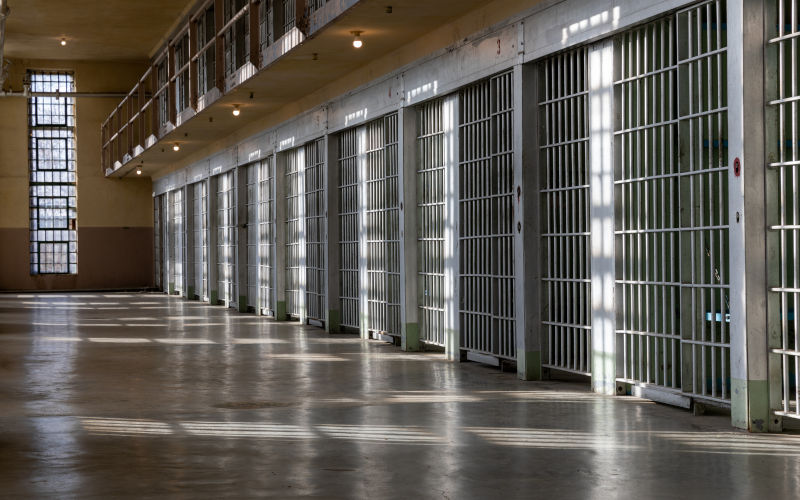
Overcrowding, poor mental health care and degrading prison conditions across Australia are undermining rehabilitation efforts and raising serious questions about how the correctional system treats human dignity.
Australians often speak about prisons in terms of punishment, deterrence and public safety. Rarely do we speak about dignity, humanity or rehabilitation. Yet if rehabilitation is truly the goal of our correctional system, then we must confront an uncomfortable reality: many prison conditions across Australia actively undermine the very outcomes society claims to want.
The sentence handed down by a court is the punishment. It should not mean a person loses their basic human rights, their dignity or access to proper medical and mental health care in the process. Imprisonment should never equate to neglect, degradation or inhumane treatment behind closed doors.
Across Australia, prisons are increasingly overcrowded, understaffed and struggling to meet even basic standards of care. Reports from multiple jurisdictions have raised concerns about inadequate mental health support, excessive lockdowns, poor ventilation, unhygienic conditions and growing violence within correctional centres.
A 2015 analysis published through AustLII (The Australasian Legal Information Institute) Overcrowding in Australian Prisons: The Human Rights Implications argued that overcrowding has resulted in daily human rights breaches within Australian prisons and that degrading prison conditions are incompatible with human dignity.
More than a decade later, many of these concerns have only intensified.
Recent reporting by The Guardian highlighted concerns surrounding conditions inside parts of Long Bay Correctional Centre, including allegations of mould, poor ventilation and unsafe infrastructure within certain units.
These conditions do not simply affect prisoners. They affect staff, families and ultimately the wider community.
Families with loved ones in custody often live with constant anxiety, fearing violence, self harm, inadequate medical treatment or institutional neglect. Prison officers themselves work in increasingly pressured environments where understaffing and unsafe conditions heighten tensions for everyone involved.
Most importantly, these environments undermine rehabilitation.
Research from the Australian Institute of Criminology has consistently shown that properly resourced rehabilitation and intervention programs can reduce recidivism and improve reintegration outcomes.
But rehabilitation cannot flourish in environments dominated by overcrowding, prolonged isolation, untreated mental illness and institutional instability.
A prison environment that strips people of dignity, safety and hope does not prepare them to reintegrate into society. It often deepens trauma, reinforces anger and entrenches cycles of disadvantage.
This issue is particularly significant given the overrepresentation of First Nations Australians in custody. Human rights organisations and legal advocates have repeatedly raised concerns about Indigenous incarceration rates, deaths in custody and the treatment of vulnerable prisoners across Australia.
None of this means prisons should be “easy”. Accountability matters. Community safety matters. Victims matter.
But there is a profound difference between depriving somebody of liberty and depriving them of humanity.
Countries that place greater emphasis on humane conditions, rehabilitation, education, mental health treatment and reintegration often achieve lower rates of reoffending than systems focused primarily on punishment and control. Rehabilitation is not softness. It is practical crime prevention.
If we genuinely want safer communities, fewer victims and lower rates of repeat offending, we need to move beyond political slogans and punitive rhetoric. We must recognise that prisoners are still human beings.
Many people entering prison come from backgrounds marked by trauma, addiction, homelessness, mental illness, abuse and poverty. Prison should be an opportunity to stabilise people, address criminogenic behaviours and prepare them for lawful lives upon release, not expose them to further harm.
A correctional system cannot claim to value rehabilitation while tolerating conditions that erode mental health, dignity and human worth.
If rehabilitation is truly our objective, then humane treatment is not optional. It is essential.

Renee McNab
Renee McNab is a prison reform and human rights advocate with lived experience of the Australian correctional system. She works closely with prisoners and families who have loved ones in custody, providing advocacy, support and assistance navigating the justice system. She writes on issues including prison conditions, rehabilitation, mental health and the long-term impact incarceration has on prisoners, families and communities. Her work focuses on dignity, accountability and the belief that meaningful rehabilitation begins with recognising the humanity of those within the justice system.