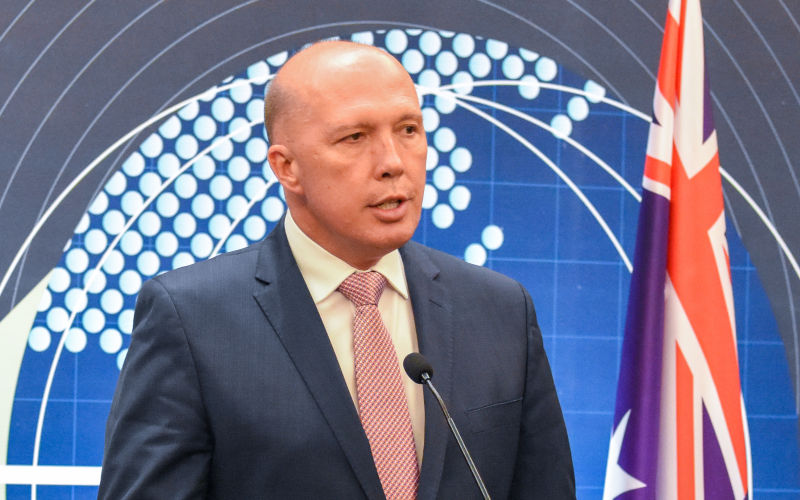
Dutton regularly proclaims what he opposes, but what he will do in terms of new policies mostly remains a mystery or alternatively will not work. (more…)
Michael Keating
-

The future of tax reform
There are recurrent calls for tax reform, but it is typically too difficult to achieve a consensus. However, the necessary action to reduce carbon emissions by introducing a tax on carbon emissions could result in most people being better off and thus achieve broad support. (more…)
-

Restoring Australia’s prosperity by becoming a superpower
The debate about climate change is far too often in denial. It needs to change to focus on the positives of how Australia can become a Superpower based on green energy and products that rely on green energy. (more…)
-

US Intervention to end the war in Gaza
What is almost universally agreed is that an enduring peace settlement for Palestine must be based on a two-State solution. However, getting that settlement accepted will require active intervention by the US to broker the deal. (more…)
-

Labor’s rejigged Stage 3 tax cuts benefit 84% of taxpayers
After due consideration of the main criticisms, the Labor Government’s rejigged Stage 3 tax cuts seem to be a good way of responding to the cost of living crisis without adding to the Budget deficit and inflation. (more…)
-
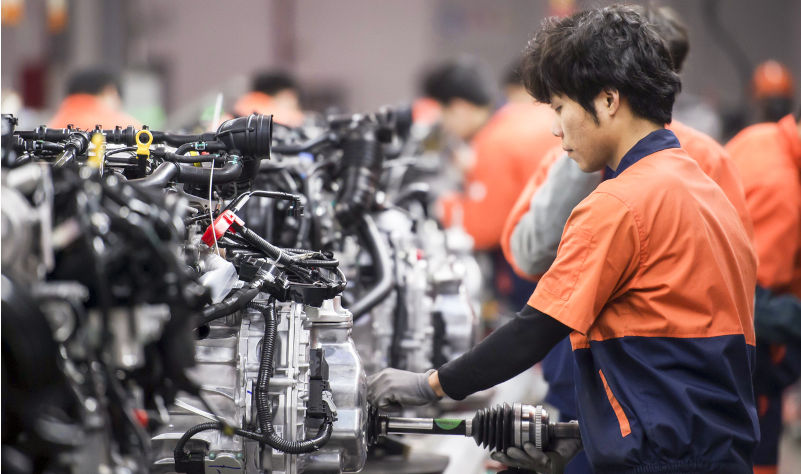
Is China an economic threat?
America insists on treating China as an economic threat, but the reality is that China’s economic advancement has benefited us all. Instead, the stagnation of wages and manufacturing job losses experienced by Trump supporters in the US largely reflects the impact of technological change. (more…)
-

‘Exceptional’ country: Where is US leadership on Palestine?
The US proudly proclaims its exceptionalism and leadership of the free world, but in the latest Israeli-Palestinian flareup US leadership has been absent. A lasting peace settlement will require the US to take the lead in pushing forward the widely supported two-state solution. (more…)
-

The Albanese Government’s economic management and the cost-of-living crisis
The Albanese Government’s economic management has been very competent, but unfortunately also marked by a lack of ambition in tackling the challenges facing Australia. (more…)
-
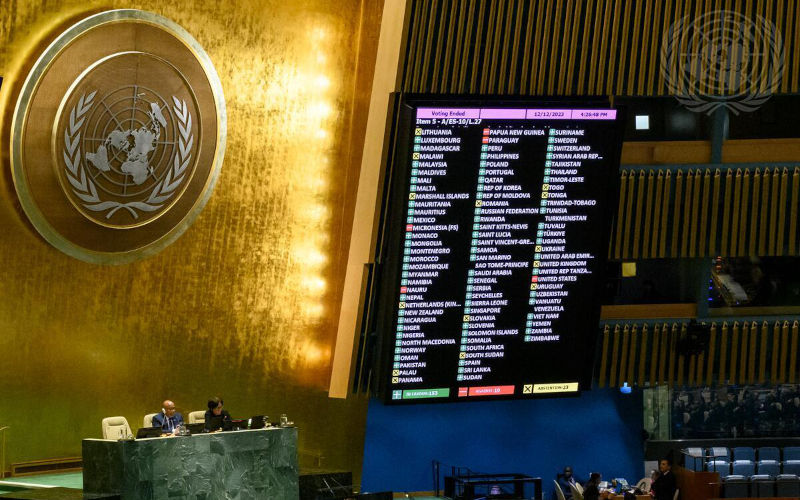
How to end the war in Gaza
It is urgent to end the loss of life and destruction in Gaza, but as the joint Statement by the Prime Ministers of Australia, Canada and New Zealand recognises, a sustainable ceasefire will require agreement to a balanced set of conditions consistent with eventually achieving a lasting peace based on a two-State solution. This is how to end the war in Gaza. (more…)
-

The outlook for interest rates
The Reserve Bank is widely expected to increase interest rates further. However, what is now critical to achieving the Bank’s inflation target is the future increase in labour costs, and this may come down sufficiently without any further interest rate rises. (more…)
-

The cost-of-living crisis: How should the Government respond?
Living standards have fallen recently. The Albanese Government has responded with targeted assistance, but the policy options to alleviate the damage for working families are limited, especially in the short run. However, one readily available policy option would be to reshape the Stage 3 tax cuts due to take effect next July. (more…)
-

Gaza: Israel is winning the battle but losing the war
As was to be expected, Israel is winning the battle for Gaza, albeit at an enormous cost in lives. But what are Israel’s and its backers’ plans for winning the peace, as without an enduring peace settlement the war can never be won. Is a US-led, UN mandated Trusteeship for Palestine the way forward? (more…)
-

The structural challenges facing the Chinese and American economies
The two major economies, China and America, have severe structural imbalances between their savings and investment, which could significantly damage their medium-term growth prospects, with consequences for the rest of the world. (more…)
-

Australia’s fiscal challenge
Productivity growth will be less than projected in the Intergenerational Report, the budget deficits will be worse, and the Government should be setting the scene for raising more revenue. (more…)
-

The APS: Balancing responsiveness and independence
Since the Robodebt saga there have been many calls for a more independent public service that can be trusted to provide competent advice frankly and fearlessly. In that case a key issue is how departmental secretaries are appointed and dismissed. (more…)
-

Pearls and Irritations: A unique source of independent comment and analysis
Pearls and Irritations is a unique source of independent comment and analysis. Readers know that they will learn more and have a better and different understanding of important policy issues than is available from the mass media. (more…)
-

The RBA is on a knife-edge between recession and inflation
Monetary policy operates with a lag. The pain from increased interest rates is only now starting to really bite. However, the substantial increase in interest rates is reducing demand and thus bringing inflation down. While on the other hand, further interest rate increases add to the risk of a recession. It is time therefore to pause further increases in interest rates. (more…)
-

The cost of living crisis – so what would Dutton do?
Peter Dutton incessantly declaims about the cost of living crisis, blaming the government. But what would he do instead? (more…)
-

Robodebt and the APS
The Robodebt scandal reflects badly on the Australian Public Service generally, and not just on those immediately responsible. (more…)
-

Corruption and the expenditure of public funds
Although Gladys Berejiklian’s intervention to fund projects in her boyfriend’s electorate may not have been illegal, it should have been. The legislation and rules governing the financial management of public programs should be tightened to prevent such pork barrelling. (more…)
-
Why the RBA should pause interest rate increases
Inflation is starting to come down. The main reason cited for a further increase in interest rates is the fear of a wage-price spiral. But this is no longer likely. Instead, it is time for a pause in interest rate rises to better assess the future economic outlook. (more…)
-

Australia’s international strategy
America is no longer the dominant hegemon in our region. In its place Australia can and should play an important role in establishing a true multipolar system of governance. But that will first require Australia to resolve the present contradiction between our foreign and defence policies. (more…)
-

Why is America so reluctant to acknowledge China’s economic power?
The statistical evidence clearly shows that China is the world’s number one economy. Unfortunately, the US and many commentators are unwilling to acknowledge that reality, but the future stability of the region depends on acceptance that we are living in a multipolar world. (more…)
-

A competent budget that advances a Labor agenda
Labor has produced a responsible Budget that balances the need to advance traditional Labor priorities while also bringing inflation down. But there remains more to do. (more…)
-

Will Labor’s Budget prioritise public services and a caring society?
The biggest choice facing this country is between poor public services and inadequate government income support or more taxes. Unfortunately, I fear that next week’s Budget will seek to avoid this choice. (more…)
-
RBA reforms: what difference will they make?
The reforms recommended by the Review of the Reserve Bank have been well received, but it is questionable whether they will ensure that the Bank’s performance improves and that it can avoid the mistakes of the recent past. (more…)
-

Why have living standards stagnated and inequality increased?
Failure to adequately tax mining super profits has greatly damaged the Australian economy.
Living standards have stagnated in the last decade or so, while inequality has increased. This article argues that the two are related and that the concentration of profit growth in the mining sector is an obvious reason why the increase in inequality was so much worse here in Australia than elsewhere. (more…)
-

AUKUS and Australia’s national sovereignty
The value of AUKUS depends critically on how far it increases the chances of Australia being dragged into an unnecessary and potentially catastrophic war at the behest of the US. (more…)
-

The SMH and Age Red Alert is unwarranted and dangerous
The articles published last week by the SMH and Age under the heading, Red Alert, are deeply flawed. The intent seems to panic us into war. But the many assertions are not supported by evidence or credible argument. (more…)
-
How best to tackle inflation
After nine successive increases in the Reserve Bank’s cash rate, this article argues that it is time to pause. In addition, given the sources of increased inflation, more targeted measures are called for rather than the blunt instrument of further interest rate increases. (more…)