
A garbage truck full of textiles is dumped in landfill every second. Sixty percent of the materials used in the fashion industry comes from plastic in one form or another. The production of nylon and polyester that is used is highly energy-intensive and relies on fossil fuels in the production process. (more…)
Category: Economy
-
Tax, productivity growth and equality
Treasurer Jim Chalmers’ upcoming economic summit has triggered renewed debate over the links between tax, productivity, growth and equity. And inevitably arguments between the right and the left – can we understand both and find a way through? I hope so. (more…)
-
India tests strategic autonomy in fractured trade order
A flurry of free trade agreements with the UAE, Australia, the European Free Trade Association and the UK signals a more outward-looking Indian trade policy. (more…)
-

The productivity paradox
A century ago, industrialists measured economic virility by tonnes of coal hewn per shift. Today, Canberra’s spreadsheets obsess over “GDP per hour worked”. (more…)
-

Roundtable warning: When they say ‘modelling’ grab your bulldust detector
The warm-up for next month’s three-day economic roundtable has begun, and this week we’ll start hearing from worthies who know exactly what we should do to improve our productivity. What’s more, they have the modelling to prove it. (more…)
-

The principal barrier to a rapid energy transition
With the dead-end nuclear energy scenario binned during the present reign of the Labor Government and rapid technological change facilitating renewable energy solutions, we must now come to grips with the principal non-technical barrier to a rapid transition from fossil fuels to renewable energy. (more…)
-

EVs and electric hot water can transform cities into ‘giant batteries’ to slash peak demand
Electrified homes and vehicles could help transform Australian cities into “giant batteries,” a new study has found, where each resident is effectively equipped with around three Tesla Powerwalls-worth of flexible energy storage capacity. (more…)
-
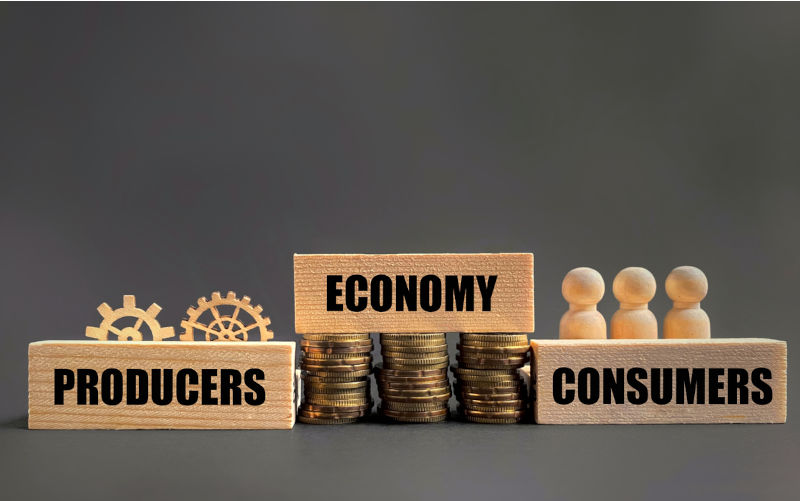
Economic reform must included industrial transformation – Part 2
Going forward, what are some of the key design principles and priorities to consider as building blocks for a comprehensive, evidence-based industrial strategy, which both creates and adapts to the technologies and jobs of the future? (more…)
-

The new pricing scam: How surveillance pricing exploits us all
Imagine booking an Uber ride on your shiny new iPhone 16, only to discover it costs $10 more than the same trip booked on your friend’s older Android. (more…)
-

Economic reform must included industrial transformation – Part 1
For a while it looked like federal Treasurer Jim Chalmers’ Economic Reform Roundtable would turn into a tax summit, such was the clamour to revisit missed opportunities. And we have an abundance of those in Australia. (more…)
-

Cutting HECS debt is the least Albanese could do for young Australians. He should do more
It may seem an age since the federal election, but the new parliament has just convened for the first time. Anthony Albanese will be giving top priority to enacting his election commitments – “an honest politician? Really?” – and starting with his promise to cut uni graduates’ HECS debt by 20 per cent. (more…)
-

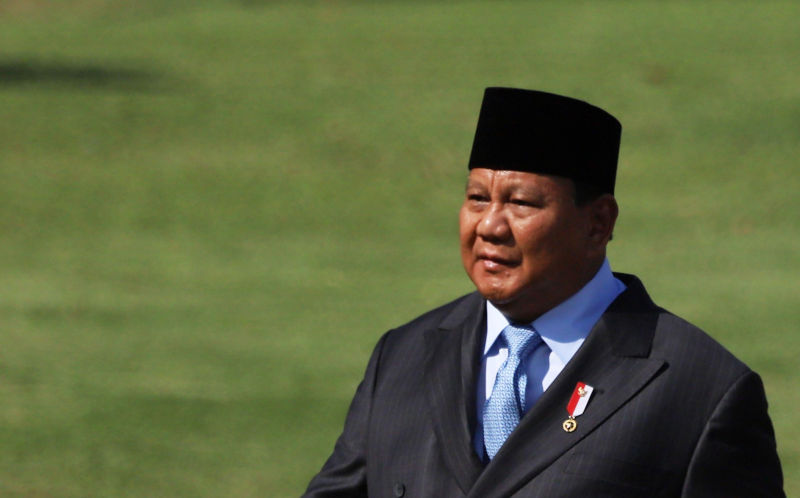
Prabowo’s economic agenda faces a fiscal stress test
Indonesian President Prabowo Subianto’s first 100 days have seen a shift towards initiatives driven by national security and ambitious populism, most notably the Free Nutritious Meals program, along with rice and fuel subsidies and tax breaks, all aimed at stimulating consumption and achieving self-sufficiency. Yet slowing growth, weak tax revenues and efforts to limit VAT increases are tightening the budget. Meanwhile, the creation of new ministries and the Danantara sovereign wealth fund have added overhead costs and off-budget spending. Together, these measures strain Indonesia’s fiscal space and raise concerns about the long-term sustainability of Prabowo’s security-focused agenda. (more…)
-

From ‘Stone Age’ treasury boss to National Party Senator: John Stone 1929–2025
John Owen Stone AO was a legendary leader of the Commonwealth Treasury. He was secretary (departmental head) from January 1979 to September 1984 but was an intellectual driving force before then as deputy secretary from 1971 to 1978. (more…)
-
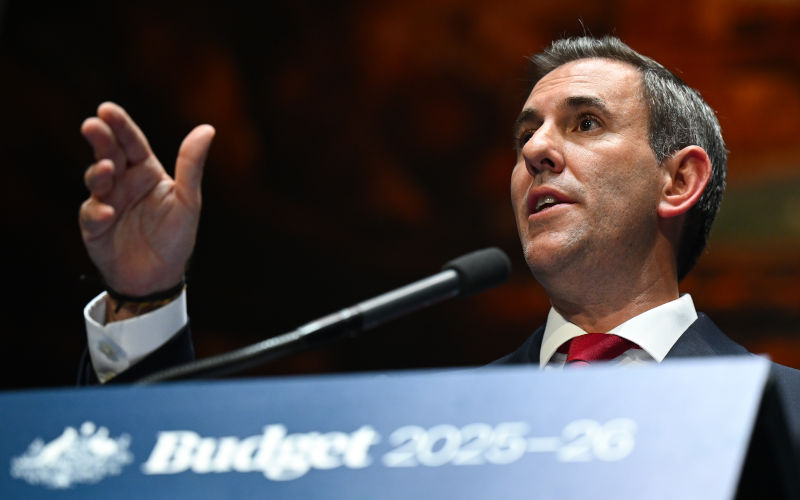
How Chalmers can square the budget circle despite stagnant productivity
As if Treasurer Jim Chalmers didn’t have a big enough problem trying to improve the economy’s productivity, we now know Treasury has privately reminded him he’ll need to find additional tax revenue and reduce government spending to keep the budget “sustainable” – that is, to stop the government’s debt getting a lot higher. (more…)
-

Why a surprise jump in unemployment isn’t as bad as it sounds
New figures show Australia’s seasonally adjusted unemployment rate unexpectedly rose to 4.3% – its highest level since late 2021 – in June this year, up from 4.1% in May. (more…)
-

Failures in privatised care starkly illustrate the inevitable failure of neoliberalism
The failures of privatised child care and aged care have starkly illustrated the inability of markets to deliver quality service. The failure applies to all human services. (more…)
-

No simple solutions for specialist problems
A referral to a specialist doctor should set patients on a smooth path to the care they need. But it can be more like an alpine hike, with steep fees and treacherously long waiting lists. It’s putting lives at risk. (more…)
-

How deals are trumping port dispute on Australian PM Albanese’s China visit
Source says the two sides have decided to step back from Darwin Port controversy amid trade tensions with US. (more…)
-

Time for Foreign Minister Wong to put her foot down
In an ideal world, the Department of Foreign Affairs and Trade (DFAT) should be the government’s principal agency in seeing that relations with other countries best serve Australia’s interests. (more…)
-
Collateral damage? Focus on the principle, not the fallout
Among his many defects, Donald Trump is a vengeful obsessive. Which is why poor Indonesians (that’s about 40 million of the 285 million rice-eaters) could soon be paying more for their essential starches. (more…)
-

Slaying the juggernauts
Barbara Preston’s recent reflection on Australia’s school funding system offers a quietly devastating insight into the paradox of public education reform. (more…)
-

Despite denials, Australia has exported F-35 parts to Israel
Leaked documents show Canberra has been supplying Israel with the means to maintain F-35 fighter jets so it can continue its genocidal campaign in Gaza, Peter Cronau and Kellie Tranter report. (more…)
-

Even Ken Henry’s best ideas can’t fix a system addicted to growth
“Growth for growth’s sake is the ideology of the cancer cell.” – Edward Abbey (more…)
-

Our last, best chance – national environment laws that protect nature and power the net zero economy
“I am addressing you today in my capacity as the chair of the Australian Climate and Biodiversity Foundation (ACBF). The ACBF is a not-for-profit, founded in 2021 to help decision-makers find means of securing the restoration of Australia’s natural environment in ways that support a thriving 21st century economy.” (more…)
-

Trump wants us to spend a bomb on defence. We should think twice
While I was on holiday, I had a kind of nightmare: suddenly, every rich country in the world — including us — is vowing to spend many billions more on defence each year. This will cost taxpayers an absolute bomb. Why exactly are we doing this? (more…)
-

Is Australia finally coming to terms with East Asia?
Comedy and economic development have one thing in common: timing is everything. (more…)
-

Who’s afraid of Donald Trump?
With his use of extreme tariffs to punish countries with trade surpluses, US President Donald Trump seems to be making an economic fool of himself. (more…)
-

Trump is single-handedly slaughtering America’s ‘exorbitant privilege’
The US president is systematically destroying faith in the dollar in global financial markets and among governments and central banks. (more…)
-

Localise relationships of care and responsibility
Continual crises in all the health, education and human services industries are no longer “exceptions”. They are continuous chronic symptoms of what’s wrong with our neoliberalised, marketised “care economy”. (more…)
-

Australia cannot survive unless it switches to a no-growth economy
Big financial institutions have concluded that global warming will not be contained to the limits agreed more than a decade ago and are examining ways of maintaining their profits in such a world. (more…)