
With the expiration of the New START treaty and the erosion of arms control agreements, the safeguards that once limited nuclear danger are rapidly disappearing – despite decades of evidence that restraint reduces catastrophic risk. (more…)
Category: World
-

Does Takaichi’s victory herald a new age for women in Japan’s politics?
Japan’s Liberal Democratic Party has secured its biggest electoral victory in decades under Sanae Takaichi. While her leadership marks a historic first, the result raises questions about whether symbolic change translates into broader political representation and reform. (more…)
-

Will Japan’s remilitarisation drag us into a war?
Japan’s rapid rearmament marks a decisive break with its post-war pacifist stance. As regional tensions sharpen, Australia and New Zealand must decide whether alignment offers security or invites new risks.
-

US attitude towards Vietnam remains imperialist, not capitalist
Vietnam’s Communist Party leader To Lam has consolidated power and set ambitious growth targets for the country’s future. While reforms have unlocked momentum, centralisation, debt, corruption and geopolitical pressure raise questions about sustainability. (more…)
-

How Iran’s current unrest can be traced back to the 1979 revolution
Repeated waves of protest show Iranians have lost faith in the promises of the 1979 revolution. But history suggests ideology can fail long before a regime does. (more…)
-

Global growth in 2026 will be led overwhelmingly by Asia
China and India are set to account for more than 40 per cent of global GDP growth in 2026, with the Asia-Pacific region responsible for nearly 60 per cent. The data confirms a long-term shift in economic power that Australia’s politics and media remain slow to recognise. (more…)
-

Handshake diplomacy with Prabowo won’t secure shared values
Australia’s new security treaty with Indonesia is heavy on symbolism but light on substance. As President Prabowo Subianto tightens his grip on power, warm rhetoric from Canberra risks obscuring growing democratic regression and human rights abuses. (more…)
-
Who will prosecute Geoffrey Robertson’s peerless plan for peace?
In his new book Geoffrey Robertson argues the UN Security Council can no longer defend democracy and proposes a new alliance of democratic states. The diagnosis is compelling – the path forward far less clear. (more…)
-
Japan’s dramatic election result carries dangers
Japan’s ruling party has secured another overwhelming victory. But beneath the spectacle lies a troubling mix of demographic denial, fiscal illusion and rising geopolitical risk.
(more…) -

If the roles were reversed, how would the west react?
What would western outrage look like if China, rather than the United States, had carried out decades of military interventions and political interference? (more…)
-

When peaceful protest is allowed to work, democracy works
Melbourne’s mass protest against the visit of Israel President Isaac Herzog showed how large, diverse crowds can assemble peacefully when police exercise restraint and common sense. Sydney’s response points to a deeper failure of judgment about protest, power and democracy. (more…)
-

Herzog greeted by mass protest despite limits on marching
Denied permission to march, thousands still gathered in central Sydney to protest the visit of Israel’s president. The demonstration revealed both the scale of public anger and the state’s increasingly fraught response to dissent.
-

Inviting a foreign president to Bondi’s commemoration divides rather than unites
Inviting a foreign head of state to commemorate an Australian tragedy blurs citizenship, religion and geopolitics – and risks undermining social cohesion at a moment that demands unity.
-

Why Australia should consider boycotting the World Cup
International sport is never separate from power. When nations participate in global tournaments, they confer legitimacy on the political and institutional arrangements that make those events possible. (more…)
-

India’s submarine deal shows what due diligence looks like
India’s decision to buy conventionally powered submarines from Germany highlights a sharp contrast with Australia’s AUKUS pathway on cost, capability and planning. (more…)
-
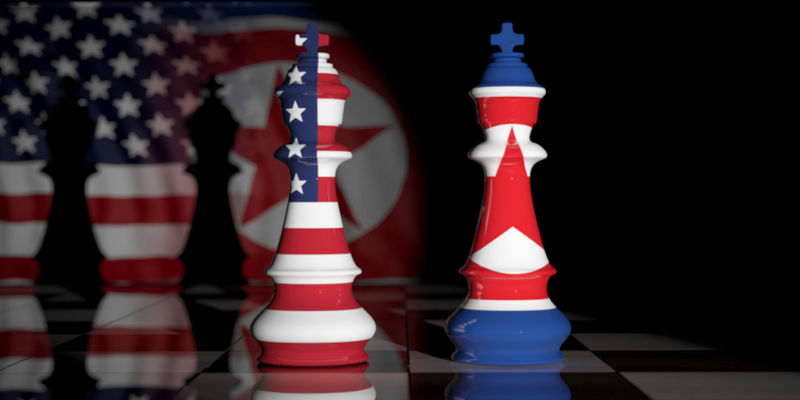
Why sanctions have entrenched conflict with North Korea, not resolved it
Sanctions on North Korea have neither halted its nuclear program nor produced stability, while imposing heavy costs on civilians and regional security. (more…)
-

Five years on from the coup, where does Myanmar find its future?
Myanmar’s phased elections have given the junta a thin veneer of legitimacy, but they have done nothing to halt economic decline, armed conflict or the steady erosion of hope. With little external pressure and no genuine reform, fragmentation is likely to deepen.
(more…) -

Davos and the myth of a global conversation
The World Economic Forum claims to represent global cooperation, but its structure, silences and hierarchies tell a different story about who sets the agenda – and who is expected to listen.
-
The pivot to Asia within the transitional rules-based order
As US leadership becomes increasingly erratic, claims grow that the rules-based international order is breaking down. But China and India may yet help guide its transition rather than preside over its collapse. (more…)
-

New Zealand’s long election year begins
As New Zealand heads toward a November election, early polls suggest a finely balanced contest. Coalition arithmetic, economic anxiety and voter outflow are shaping a year that promises prolonged political uncertainty. (more…)
-

Australia’s middle power diplomacy matters
Middle powers may lack the economic and military weight to coerce others, but they can still shape outcomes through coalition-building, credibility and sustained diplomatic effort. (more…)
-

Trump, Afghanistan and the songs that tell a different story
Donald Trump should have listened to Australian songwriter Fred Smith before he spoke ignorantly about the sacrifices of soldiers in Afghanistan. (more…)
-

Mexico’s political transformation: the revolution isn’t being televised
Mexico’s government has delivered falling violence, rising wages and broad social reform. Yet its record has attracted remarkably little attention in the English-language media, even as external pressure from the United States intensifies. (more…)
-

What the ‘mother of all deals’ between India and the EU means for global trade
The European Union and India have finalised a sweeping free trade agreement after two decades of negotiations. The deal is as much a strategic signal as a commercial one.
(more…) -

When public opinion breaks: ICE, Trump and a political tipping point
Political opinion usually shifts slowly, but history shows that certain events can force sudden, irreversible change. The killings linked to ICE enforcement may mark such a moment in the United States.
-
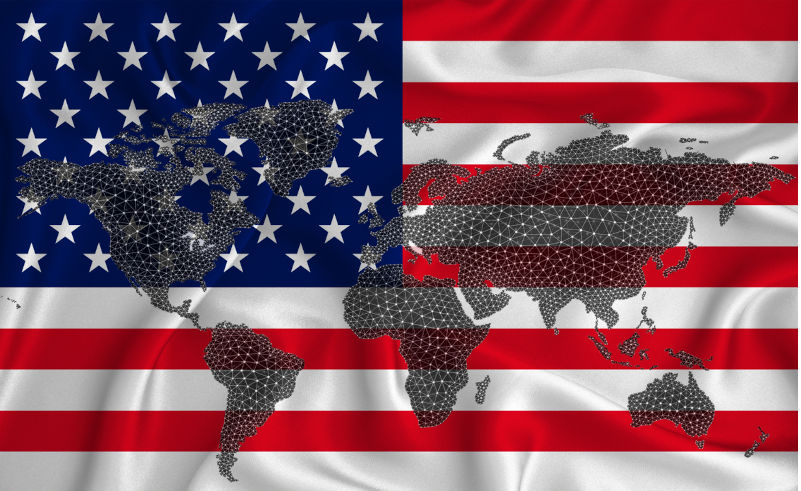
Greenland and western hypocrisy over the rules-based international order
Western leaders defend the rules-based international order when it suits them, but remain largely silent as those same rules are breached by the United States and Israel. The result is a system that shields the powerful and abandons the vulnerable – most starkly in Palestine.
(more…) -

Iran vows to ‘respond like never before’ as Trump ramps up war threats
Tehran’s admonition came after Trump said that a “massive armada” is heading to Iran – similar language he used before invading Venezuela and kidnapping its president. (more…)
-
Historic EU-India trade deal to slash auto tariffs, double bloc’s India exports by 2032
Brussels diversifies away from China and US risks, while the pact makes India a more attractive place for European firms to sell vehicles and fuel growth. (more…)
-

Australia, bravery and the case for an Earth System Treaty
Rising inequality, climate instability and ecological collapse are not separate crises but interacting threats that demand coordinated global action.
(more…) -

Irony abounds: Indonesia gets human rights protection job
Indonesia has assumed the presidency of the UN Human Rights Council, raising questions about credibility, consistency and the future of scrutiny in places like West Papua and Iran. (more…)