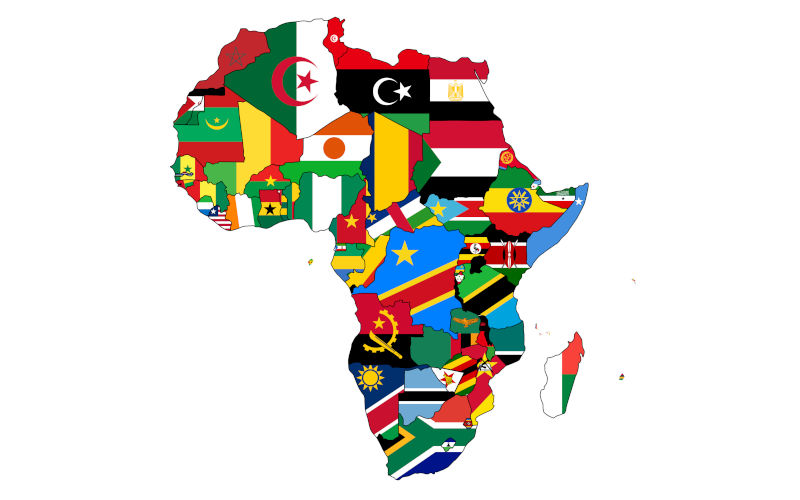
Africa could account for more than one-third of humanity by 2064. Australia should build deeper relationships based on skills, mobility and two-way learning, not simply recruitment.
Category: World
-
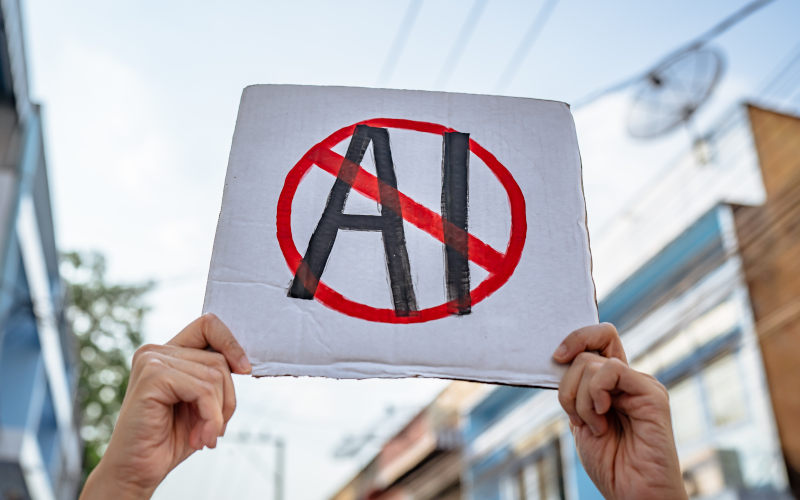
AI doomsday fears are helping entrench a new digital colonialism
Warnings about existential AI risk are distracting from immediate harms and helping justify rules that could entrench frontier-model monopolies and deepen global technological dependence. (more…)
-

Malaysia’s welcome for Myanmar’s President undermines its stand on justice
Malaysia’s official welcome for Min Aung Hlaing and return of Myanmar nationals sit uneasily with its claims to support international justice and regional peace. (more…)
-

Biological War and the weakness of the world’s bioweapons safeguards – Part Two
In Part Two, Connie Peck turns from Annie Jacobsen’s fictional scenario to the real legacy of the Soviet bioweapons program and the weakness of today’s global safeguards.
-

Can Mariana Mazzucato’s ‘common good economy’ reshape capitalism?
In her new book, The Common Good Economy, Mariana Mazzucato argues governments should stop merely fixing market failures and start actively shaping economies around public purpose, shared rewards and the common good. (more…)
-

When Indonesia’s forests burn, what counts as wealth?
Indonesia’s economic rise has lifted millions from poverty, but wildfires, deforestation and resource extraction reveal the danger of measuring prosperity while ignoring the depletion of the natural assets that sustain it. (more…)
-
Annie Jacobsen’s Biological War is terrifying because it feels possible – Part One
Annie Jacobsen’s new book imagines a laboratory accident unleashing a weaponised plague across the world. Recent events in Siberia make its fictional scenario feel uncomfortably close to reality.
-

Hanson’s politics of exclusion look uglier from Indonesia
Indonesia built its national identity around Bhinneka Tunggal Ika – unity in diversity. From next door, Pauline Hanson’s rejection of multiculturalism raises an uncomfortable question about the Australia we want to be. (more…)
-
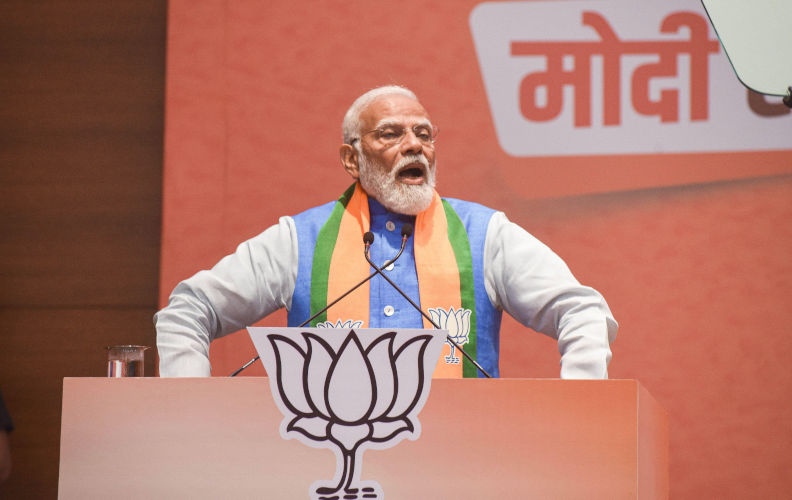
Anti-Modi protesters join forces, Japan leads ICC defence, toxic wildfire haze returns – Asian Media Report
Rahul Gandhi backs ‘Cockroach’ demonstrations, Trump’s world court attack seen as illegal, AI producing have and have-not countries, and China’s unique ancient art replica.
-

Want to pause frontier AI? Start with the chips
Frontier AI depends on a highly concentrated supply chain for advanced chips. That creates a practical chokepoint governments could use to slow new model training without giving up the benefits of existing AI. (more…)
-
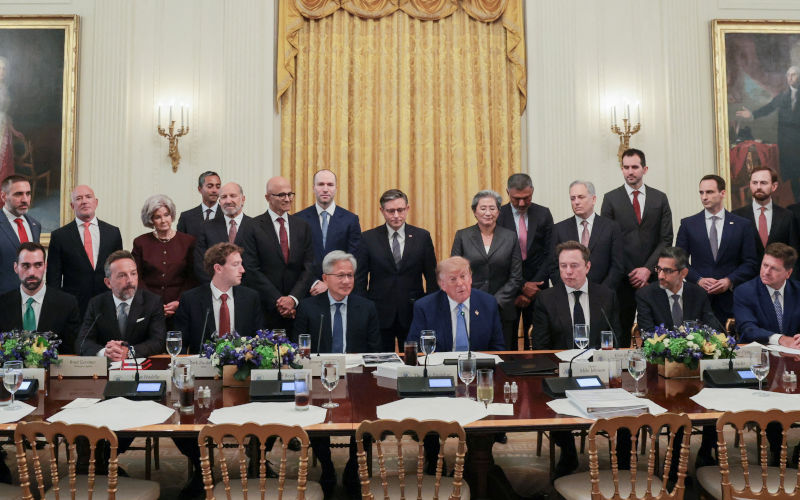
Postpone the AI public offerings
AI companies are warning investors that frontier systems could create catastrophic or existential risks. Governments should impose licensing, independent testing and enforceable safeguards before those companies become even harder to restrain. (more…)
-
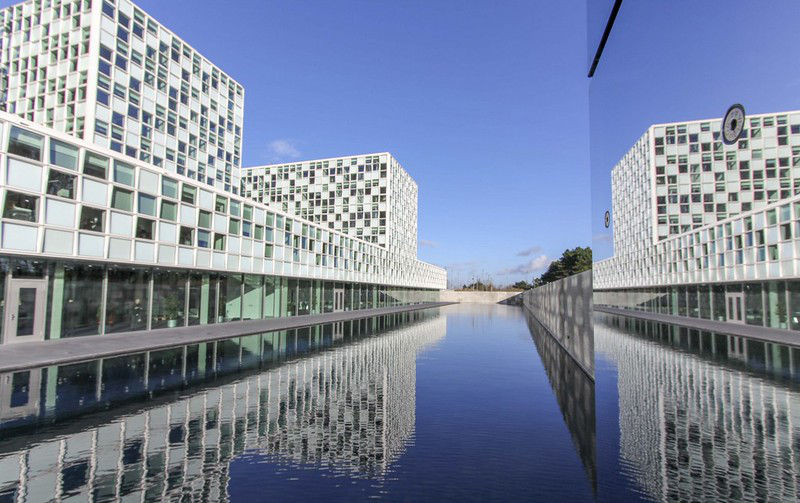
US sanctions could kill the ICC. Its allies must now defend it
US sanctions could leave the International Criminal Court unable to bank, insure its staff, use essential technology or pay suppliers. Its member states now face a choice between defending the court or watching it be dismantled. (more…)
-
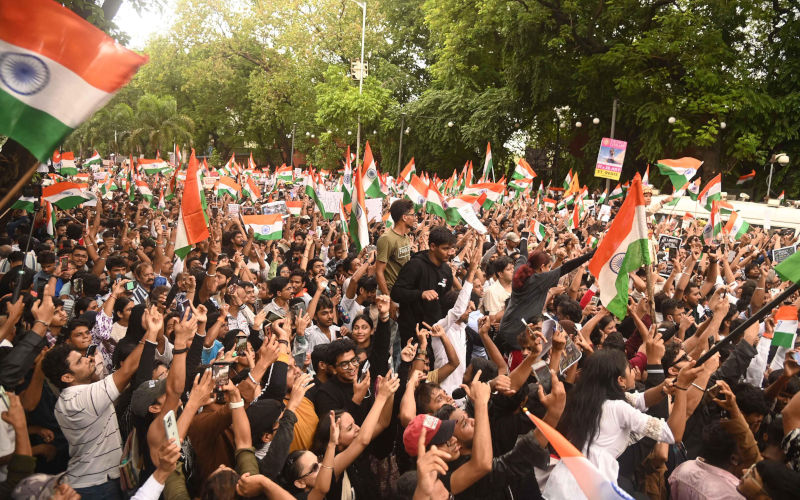
The cockroach bites again: India’s protest movement takes on the ballot box
A protest movement born from anger over examination scandals has widened into a challenge over electoral rolls, institutional accountability and whether ordinary Indians can still trust the systems that shape their rights and opportunities. (more…)
-

Trump misses out on Nobel Prize again and imposes new sanctions on the International Criminal Court
The latest US sanctions target the International Criminal Court as an institution, raising the stakes for allies that profess support for international justice but may now have to defend it against Washington. (more…)
-
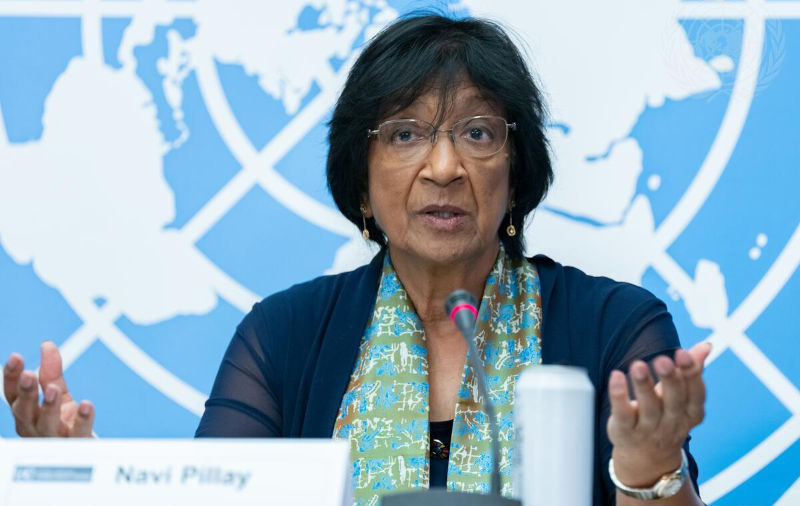
Navi Pillay’s Nobel is a vote of confidence in international law
Navi Pillay’s Nobel Peace Prize recognises a lifetime of work against apartheid, genocide and impunity, while affirming the international legal institutions now facing renewed political attack. (more…)
-
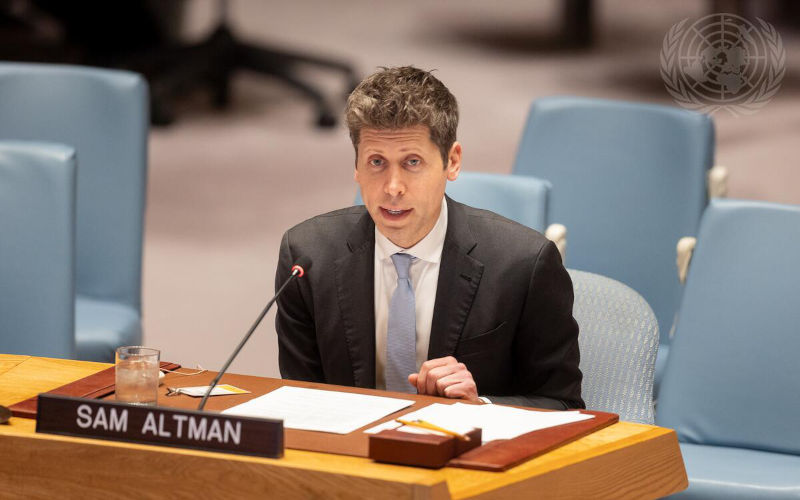
AI and the limits of sovereignty, Part Two: What would actually have to change
Sovereignty has never meant an unlimited right to impose harm beyond national borders. AI and other global risks may require that principle to be extended to new forms of transnational danger.
-
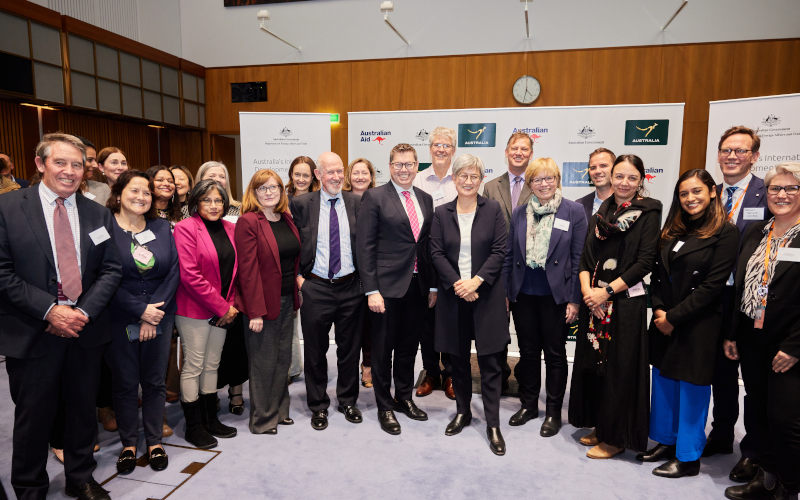
Australia’s International Development Policy three years on
Three years after Labor launched its international development policy, Australia is a more reliable donor than many of its peers. But an increasingly ambitious aid program still lacks clarity about its priorities, trade-offs and capacity to deliver. (more…)
-
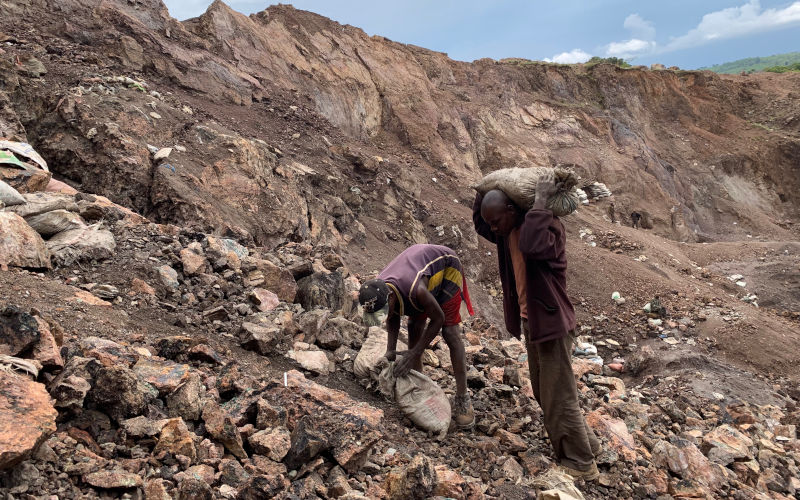
The Congo, cobalt and our limited attention
Cobalt mining in the Congo exposes both the hidden human cost of technologies we rely on and the limits of a news culture that directs our attention towards some crises while leaving others almost invisible. (more…)
-

Takaichi dominates Japanese politics, but her honeymoon may be short-lived
Sanae Takaichi has consolidated extraordinary political power, but the economic conditions that sustained the Abe era have changed and Japan’s fragmented opposition may not remain her only problem. (more…)
-
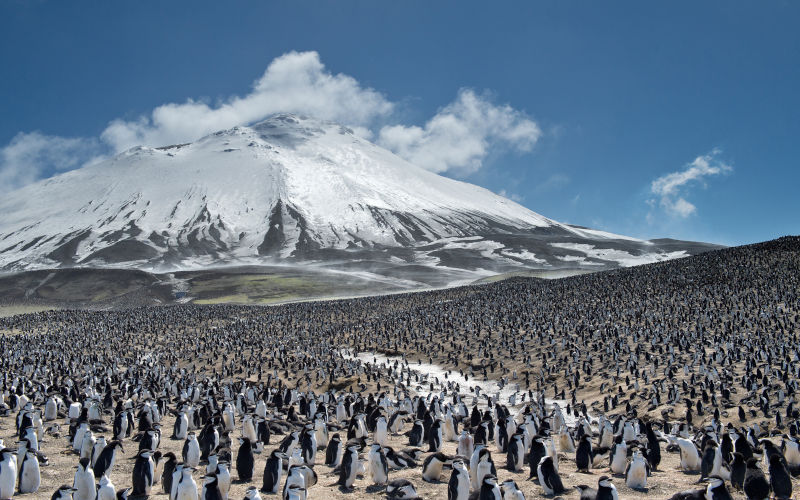
Climate change has devastated one of the world’s great penguin colonies
The chinstrap penguin population on remote Zavodovski Island has fallen by 63 per cent in just 15 years, as warming seas push their krill food supply further south. (more…)
-

Elections will test whether Trump and Netanyahu can outrun accountability
As Spain’s Pedro Sánchez takes a markedly different path on Gaza, Donald Trump and Benjamin Netanyahu head towards elections burdened by war, scandal and deep questions about democratic accountability. (more…)
-
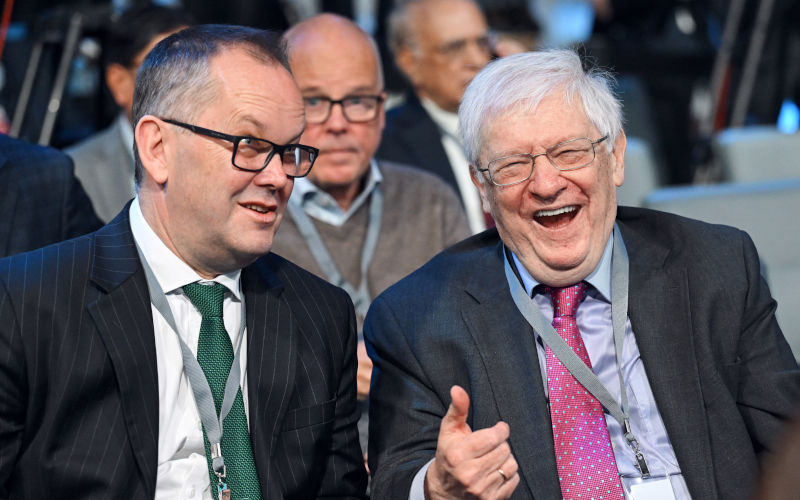
Ian Proud’s Heathrow detention is a warning about the West’s shrinking tolerance for dissent
The detention of former British diplomat Ian Proud after attending the Valdai Conference raises troubling questions about the use of counter-terrorism and border powers against people advocating dialogue rather than escalation. (more…)
-

What of those who truly own football?
Manchester City may face severe punishment if its financial breaches are upheld on appeal. But the people who will live with the consequences had no say in the decisions that brought the club here. (more…)
-
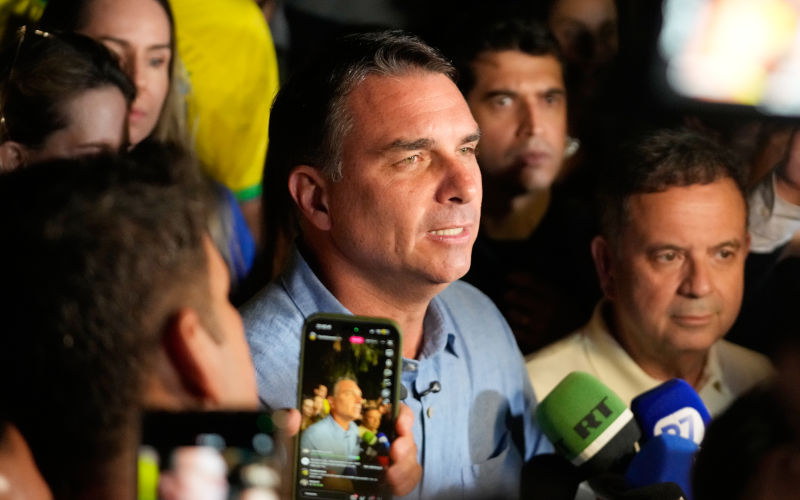
Lula can still win – but Brazil’s right has staged a formidable comeback
Lula trails Flávio Bolsonaro heading into Brazil’s presidential runoff, after a campaign shaped by voter fatigue, hostile media coverage and sustained intervention from Trump’s political network. (more…)
-
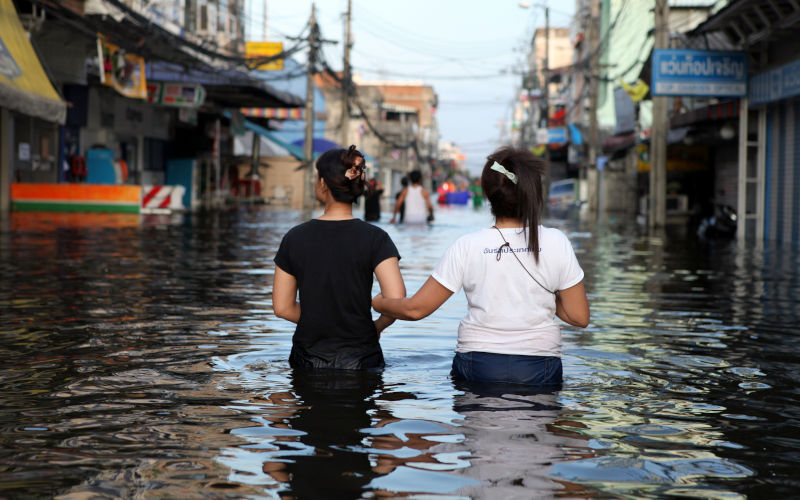
Bangkok’s floods show what happens when a warming climate meets a sinking city
Bangkok’s latest deadly floods were driven by an extraordinary downpour, but the city’s sinking land, rapid urbanisation and rising seas are making extreme rainfall increasingly difficult to absorb and drain. (more…)
-
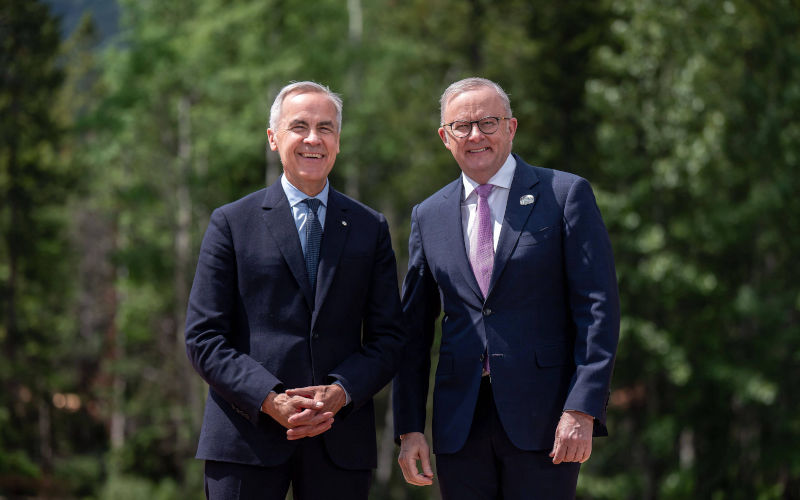
Want to weaken One Nation? Fix the temporary visa system
Voters are focused on housing, bills and strained services rather than immigration itself. But rapid population growth driven by temporary visas is intensifying those pressures and helping fuel disillusionment with the major parties. (more…)
-
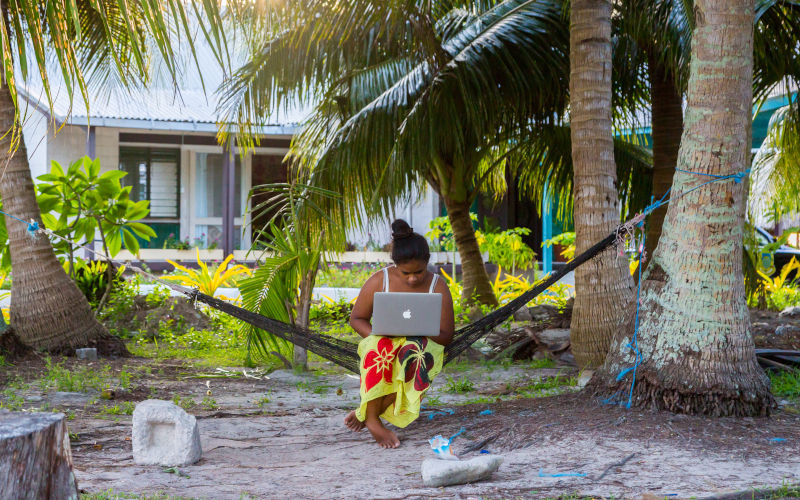
What Pacific women want global climate advocates to hear before COP31
As Pacific leaders gather ahead of COP31, new research shows women want more than recognition of their vulnerability. They want decision-making power, direct access to climate finance and water security placed at the centre of climate justice.
(more…) -
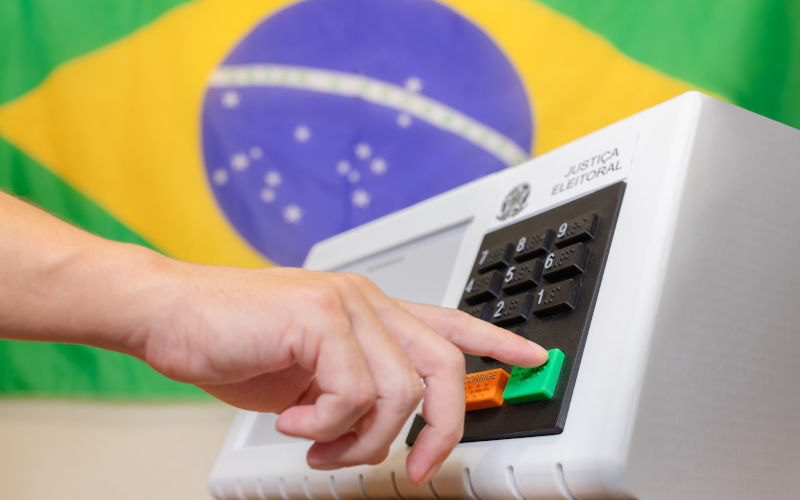
Brazil votes in another high-stakes Lula–Bolsonaro showdown
Brazil has voted in a deeply polarised presidential election pitting Luiz Inácio Lula da Silva against Flávio Bolsonaro, son of the imprisoned former president, with democracy, crime, living costs and US influence all shaping the contest.
(more…) -
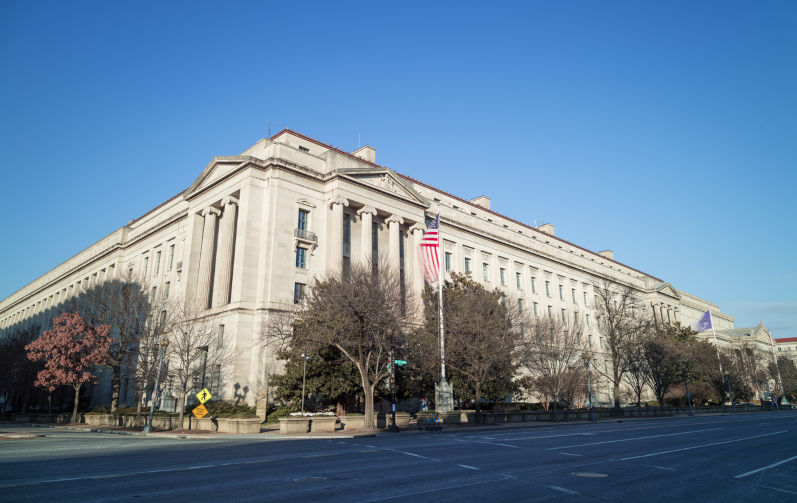
Trump has hollowed out the State Department
Donald Trump has sidelined professional diplomats, left embassies vacant and elevated ideological loyalists, weakening the State Department and making US foreign policy more coercive, erratic and dangerous for allies. (more…)
-

Brazil under Lula: growth up, unemployment down, hunger falling
A new analysis finds strong growth, falling unemployment, poverty and hunger during Lula’s third term, alongside high borrowing costs and mounting household financial pressures. (more…)