
Aggression towards teachers and principals is being normalised as something to manage, rather than treated as a workplace hazard employers must prevent. (more…)
John Frew
-

The China I was taught to fear – and the China I met
Australia should be able to scrutinise China without turning a government, a civilisation and a people into a single threatening enemy. (more…)
-
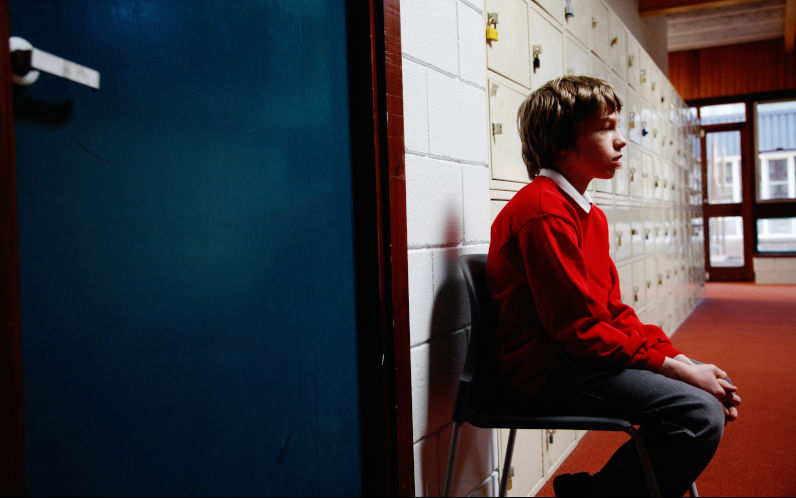
A system that abandons adolescents with severe behavioural needs
Adolescents with severe behavioural needs are too often treated as beyond help. As suspensions rise and specialist provision narrows, Australia’s public education system risks abandoning them when support matters most. (more…)
-

Education philanthropy is getting better at picking winners
Private-school scholarships can transform individual lives, but selective admissions make success rates a poor measure of what schools achieve – and leave the hardest-to-help children largely invisible. (more…)
-
Public education should be a Liberal cause
A belief in merit, individual effort and opportunity means little if children begin life with radically unequal chances. Strong public education should be as much a Liberal commitment as a Labor one. (more…)
-
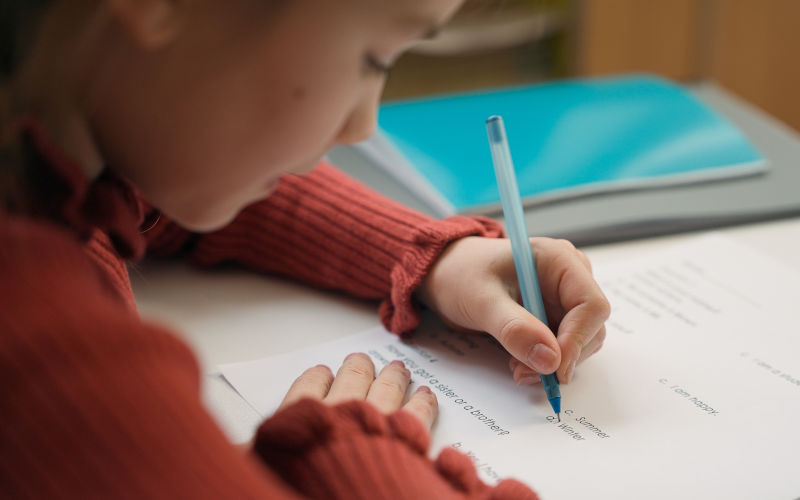
NAPLAN lets governments claim the gains and blame schools for the failures
NAPLAN results are too often treated as proof of teaching quality alone, while funding gaps, staffing shortages, disruption, disadvantage and student need are pushed out of view. (more…)
-
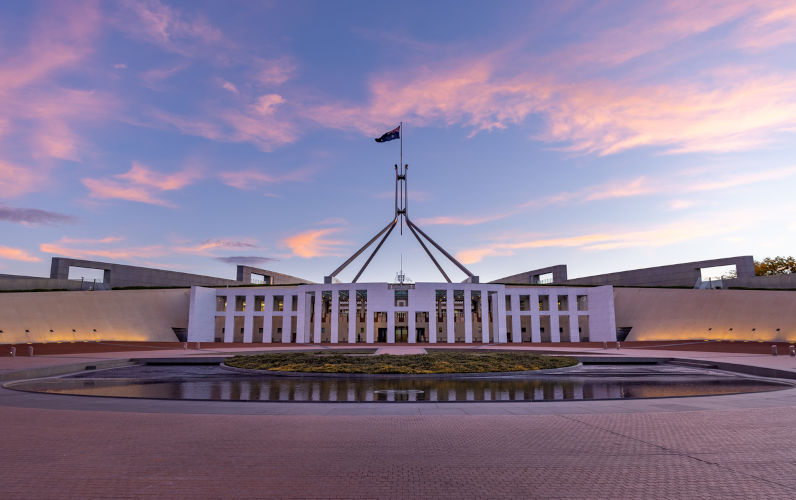
Voters are not abandoning democracy – they are waiting for it to work
Australians are not tuning out of democracy; they are losing faith in a political system that produces constant conflict but too little capacity to solve the problems it contests. (more…)
-

Disability statistics hide the burden public schools carry
Aggregate disability statistics suggest the schooling sectors share responsibility, but they can conceal where the most complex support needs actually land – and what public schools are expected to absorb. (more…)
-
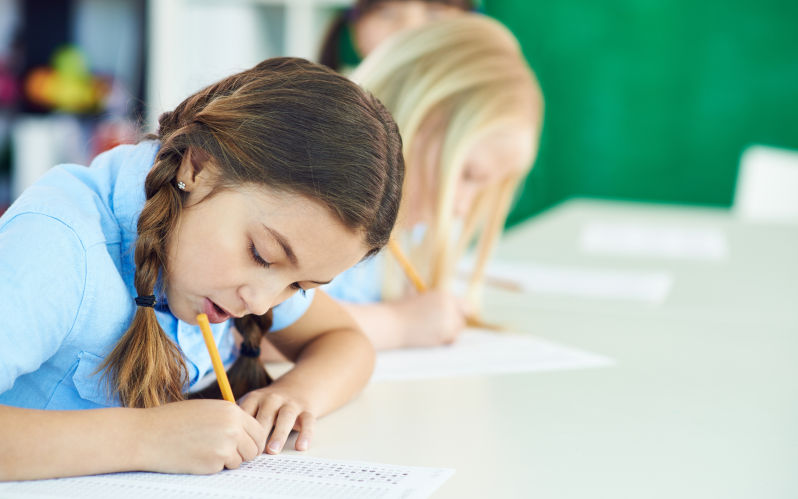
NAPLAN results are coming. So is the same old story
NAPLAN can reveal broad patterns in literacy and numeracy, but it cannot diagnose individual student needs and too often turns disadvantage into school reputation. (more…)
-

Trump, Infantino and the politics of patronage
The World Cup presentation with Donald Trump and Gianni Infantino revealed how FIFA converts football’s collective wealth into patronage, reducing supporters to customers and participation to spectacle.
-
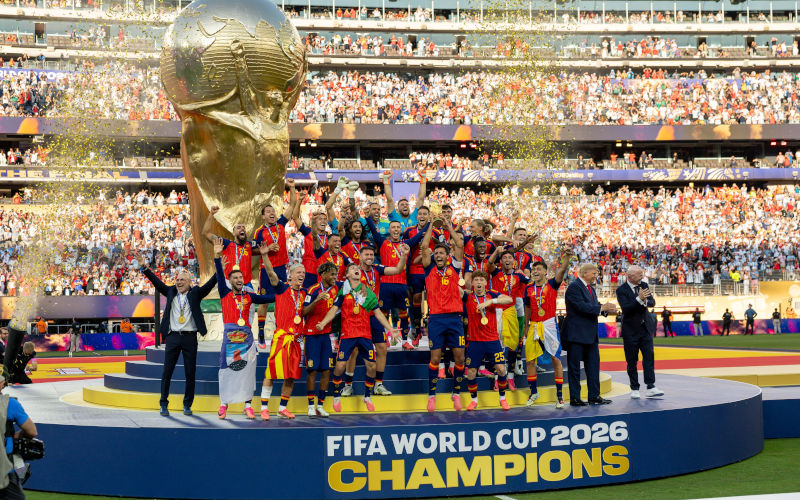
Football brought the world together; FIFA sold the crowd
The World Cup created a rare global community, then FIFA and Trump tried to turn it into advertising inventory, spectacle and political theatre.
(more…) -
The disappearance of political shame
The Labor party has drifted away from its principles when it comes to funding public education, one of the nation’s defining democratic institutions. (more…)
-
Why teachers sometimes disagree with the evidence
There is a gap between research and the schoolroom. It can be bridged by creating a reciprocal relationship between knowledge and practice. (more…)
-

Test cricket’s struggle exposes sport’s commercial bargain
The future of Test cricket points to a wider problem in modern sport: crowds create the meaning, identity and emotional value that commercial systems increasingly seek to own and monetise. (more…)
-

Education reform must fix the system, not just the funding
Australia’s education debate must move beyond funding and sector structure to confront a deeper governance problem: school systems that measure constantly but fail to learn from teachers, principals and communities. (more…)
-
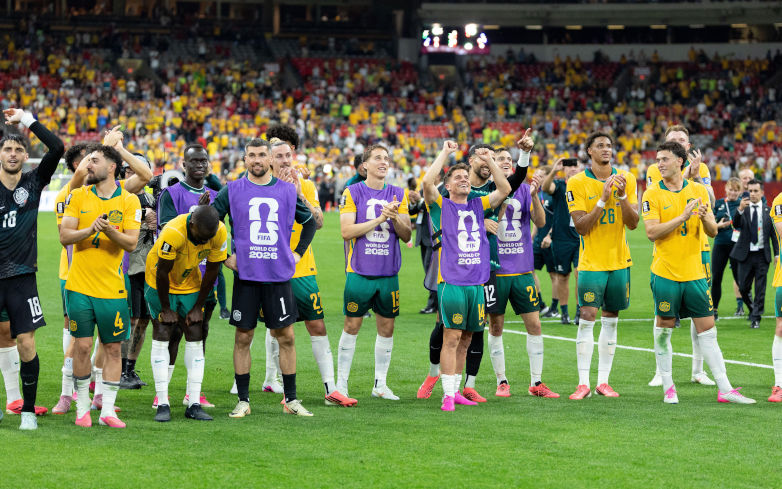
What the Socceroos teach us about belonging
The Socceroos’ success is more than a sporting story: it is a reminder that the children of migrants and refugees are not outsiders to Australia’s future, but part of the national story itself. (more…)
-
The real question in school funding is where the money goes
Australia’s school funding debate has focused on headline spending figures while obscuring whether resources counted toward the Schooling Resource Standard are actually reaching classrooms, students and support staff.
-

Sport, community and the commodification of belonging
The debate over T20 cricket reflects a much broader transformation. Across the sporting world, emotional attachment, community identity and cultural traditions are increasingly being converted into commercial assets.
-

Punishment alone won’t fix youth crime
Tougher penalties dominate the politics of youth crime, but without addressing how young people – particularly First Nations children – learn, relate and develop, punishment risks deepening the very problems it seeks to solve.
-

The game goes on: football in a time of war
As conflict escalates, FIFA insists the 2026 World Cup will proceed unchanged. The decision reflects a broader pattern – institutions continuing regardless of reality, even in the presence of war. (more…)
-

When charity no longer means need
Australia’s charitable framework now rewards compliance over need, allowing well-resourced institutions and contested activities to sit alongside genuine relief of disadvantage.
-
Half the truth: defending public education requires more honesty, not less
Criticism of public schools is not entirely wrong – but by ignoring unequal conditions, it misdiagnoses the problem and misplaces responsibility.
-

Regions, not postcodes: the structural reality of rural public education
Educational disadvantage in Australia is often framed as urban or socioeconomic. But across regional and remote communities, public schools operate with structurally thin staffing, services and support – and the consequences are cumulative. (more…)
-

Shame hasn’t vanished. Care has
Public outrage fixates on the absence of shame among elites. But the deeper problem is cultural and structural – a political economy that has pushed care to the margins of public life. (more…)
-

Victoria’s school funding deal locks in inequality
Victoria’s latest school funding agreement freezes public schools below the Schooling Resource Standard, formalising stagnation while preserving the language of reform. Delay is not neutral – it compounds disadvantage and entrenches inequality. (more…)
-

Why Australia should consider boycotting the World Cup
International sport is never separate from power. When nations participate in global tournaments, they confer legitimacy on the political and institutional arrangements that make those events possible. (more…)
-

Education savings plans and the quiet erosion of public schooling
Education savings schemes appear sensible and responsible. But their quiet rise reflects a deeper failure – a loss of confidence in Australia’s commitment to properly fund public education as a shared civic good. (more…)
-

Trump, misogyny, and the refusal of repair
Donald Trump’s dismissal of domestic violence as “a little fight with the wife” was not accidental. It exposes how minimising harm functions to protect authority, deflect accountability, and stabilise power under pressure.
-

Grief, proximity and the failure of moral judgement
After Bondi, intense grief and fear shaped public response. But emotional proximity can distort moral judgement, narrowing debate and crowding out the analysis needed to prevent future violence.
-
The market lie at the heart of public education policy
Treating public schools as competitors in an education marketplace shifts blame downward, obscures chronic underfunding and corrodes the very purpose of public education. (more…)