
Although netball is highly popular among Australian girls, it also has a history of failing to retain and protect First Nations players. (more…)
Category: Indigenous affairs
-

The Voice is an invitation to the Australian people
The nation is approaching a watershed decision. Are we brave enough to try and correct the wrongs of the past? (more…)
-
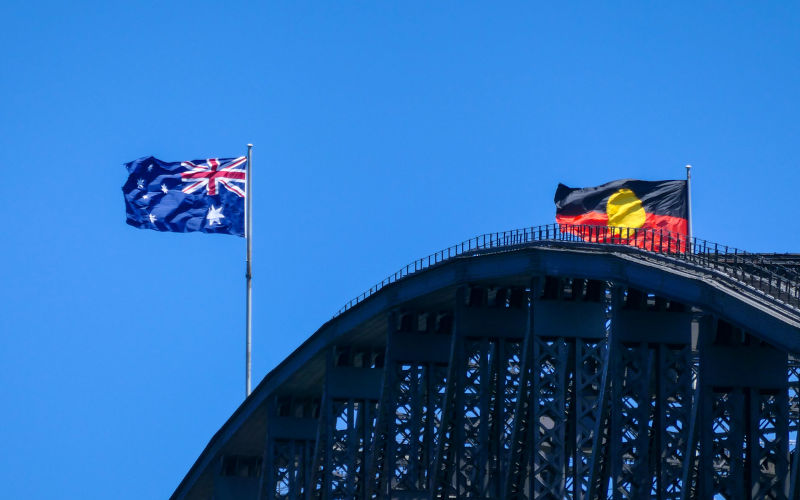
Not a voice but a shout
Many have argued that our civilisation may collapse before the end of this century. In contrast Aboriginal people have survived in this country for at least 50,000 years.
-
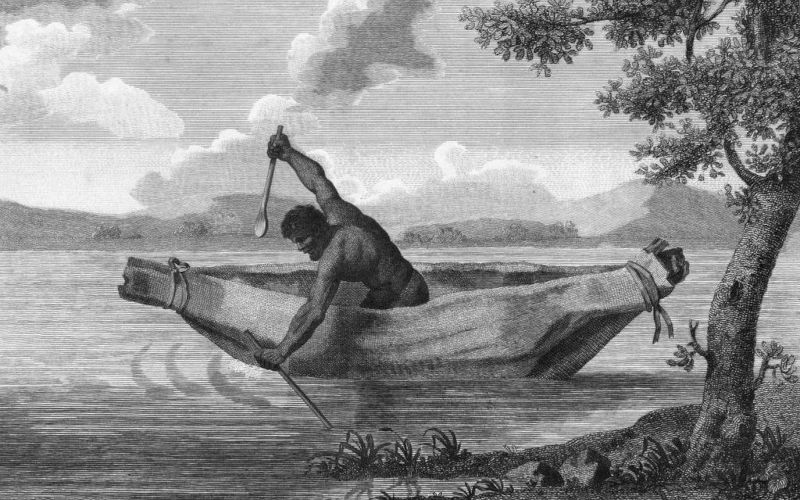
Will First Nations warriors be commemorated by the new AWM?
It is time to embrace the courage of our nation’s warriors from both pre and post Federation who died defending their country and commemorate them at the Australian War Memorial. (more…)
-
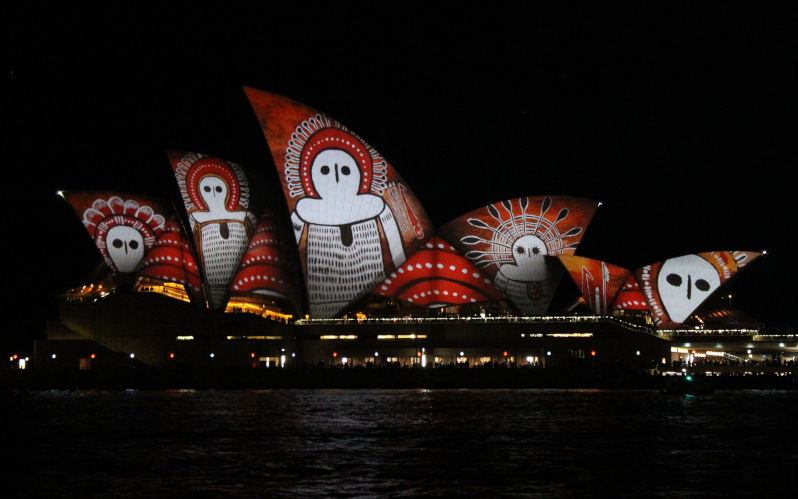
Nationals and the Voice: How to derail policy you oppose but the public doesn’t?
One of the most difficult tasks facing politicians – particularly conservative ones – is how to derail a policy which is popular and principled but which you oppose. (more…)
-
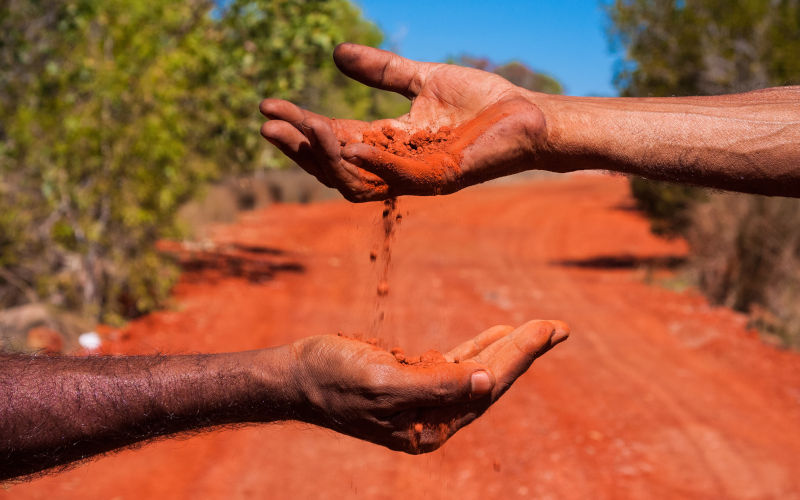
From marriage equality to the Voice
Discussion about the Voice often stresses the difficulty of passing Constitutional referenda, which require a majority of voters in a majority of states. The last successful change came in 1977 to ensure that a retiring Senator would be replaced by someone from the same party. (more…)
-
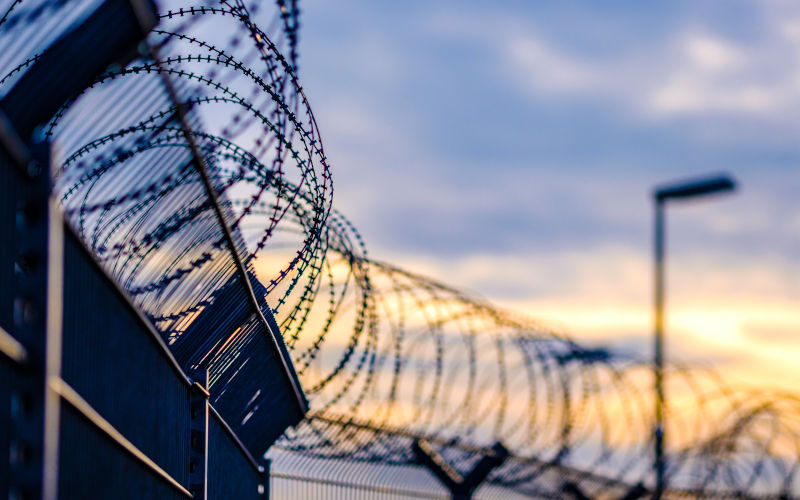
We are overdue for a hybrid Aboriginal-Western map of juvenile justice
Highly troubled Aboriginal youth offenders are rolling down the road of Western justice at everyone’s peril and which Four Corners has exposed as perpetrating great harm. It’s about time we followed a different hybrid Aboriginal-Western map – one that is relevant, properly funded, and respected.
-
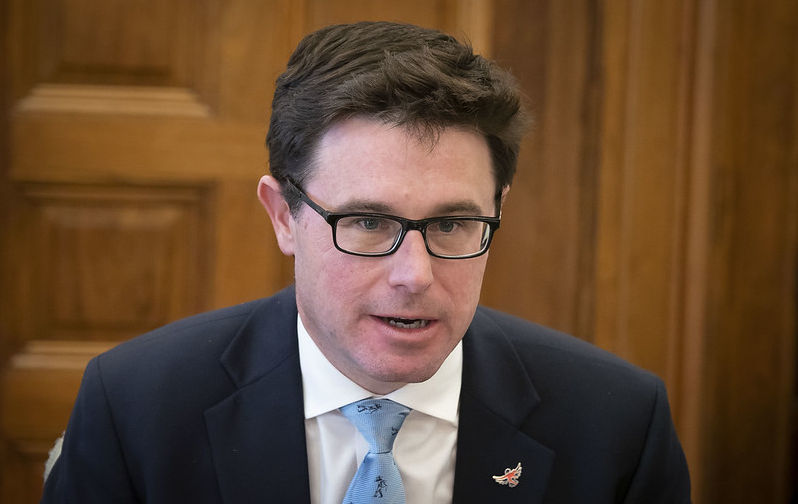
The Voice of an obstructionist, willfully ignorant National Party
The National Party’s decision to campaign against a voice to parliament is destructive and wilfully ignorant. Contributors to this decision ignore a history of Indigenous punishment and powerlessness. They criticise a referendum process which has not been published but which they pretend to know. They attribute to the Uluru Statement goals which it does not have. (more…)
-
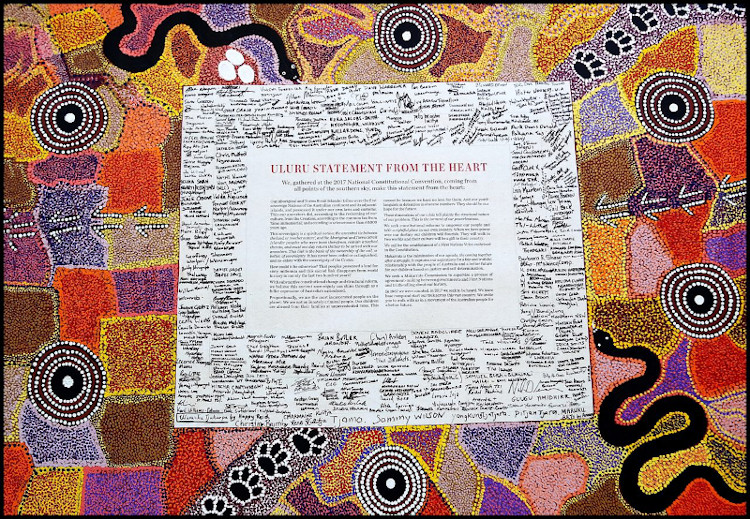
Why a First Nations Voice should come first
Since the advent of European colonisation, the absence of an effective process for conducting dialogues between the broader community and First Nations people has been a festering sore at the heart of Australian society. (more…)
-
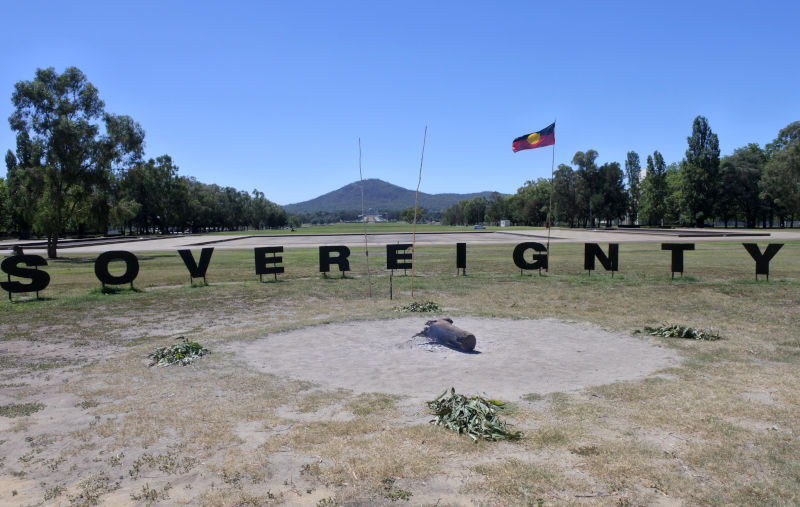
There is no hope in a Voice to Parliament
The Voice to the Australian Parliament provides no hope and no future for First Nations imprisoned by ongoing colonialism. It will not work towards de-colonisation in Australia. In practice it will support colonial decision making which affects Aboriginal lives in the distant metropolis of Canberra. (more…)
-

Western anti-China rhetoric reeks of hypocrisy
The direction from whence comes most of the anti-China rhetoric in the world today is hardly surprising. It reeks of hypocrisy. (more…)
-
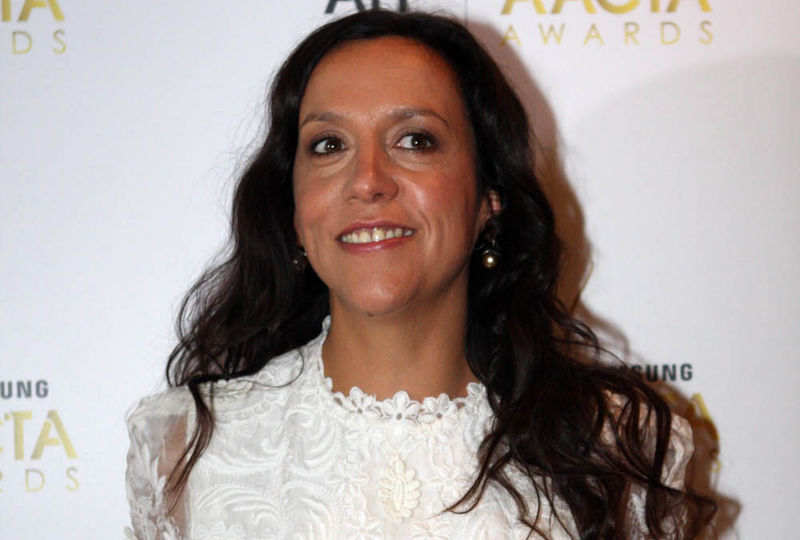
In The Australian Wars, Rachel Perkins dispenses with the myth Aboriginal people didn’t fight back
First Nations people please be advised this article mentions colonial violence towards Aboriginal and Torres Strait Islander people. (more…)
-
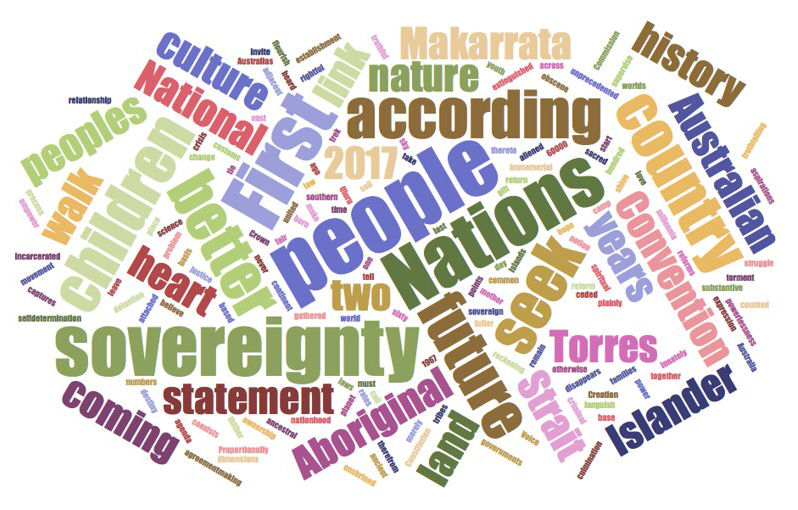
Time to get fair dinkum, or the Voice proposal will lose momentum and support
Many of the proponents of the Voice referendum already agree that the referendum should go forward only if a Yes vote is a virtual certainty. Some expect that the effect of a rejection of the proposal would be catastrophic for First Nations people. (more…)
-
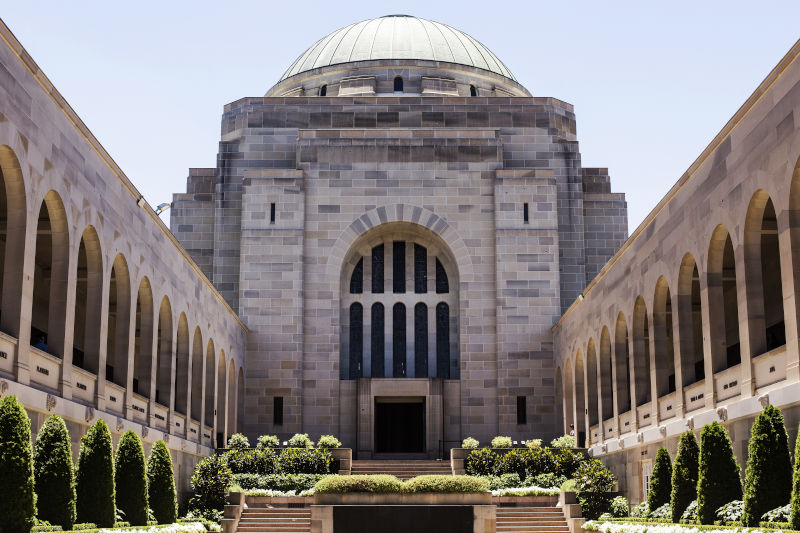
The Australian War Memorial goes AWOL
The little world of Australian military historians is talking about Daniel Lane’s The Digger of Kokoda and the resurgence of the debate over whether the Australian War Memorial should recognise Frontier Conflict. The two are connected by the Memorial’s reprehensible silence. (more…)
-
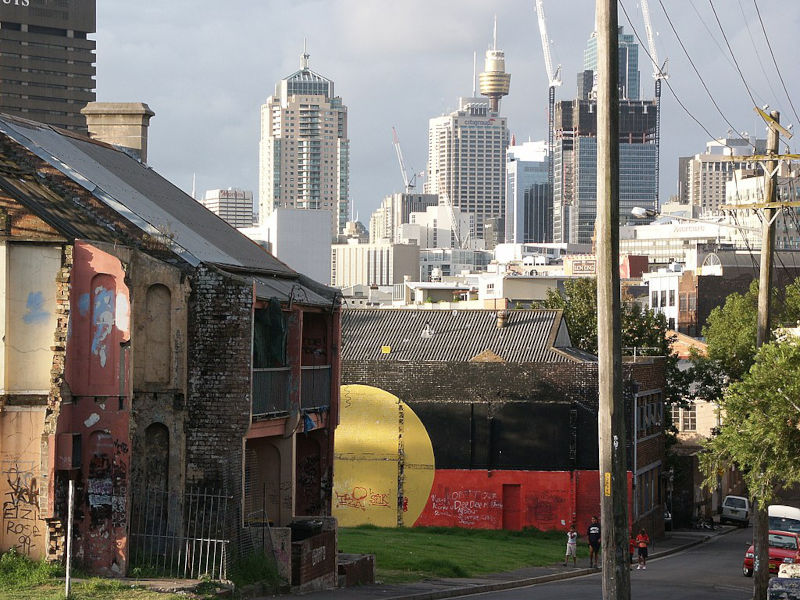
‘Uluru Statement shows the way on Australian Frontier Wars’
In an earlier article for Pearls and Irritations I wrote, ‘Proper recognition and commemoration of the Australian Frontier Wars at the Australian War Memorial would be a practical expression of the Spirit of Uluru’. The Uluru Statement from the Heart is more than resonant prose. Its words about First Nations people taking their rightful place in their country, about how First Nations culture can be a gift to all Australians, and, most of all, on truth-telling about our past, all provide signposts for action. (more…)
-

The voice implies a change of heart
The Government’s proposal for a referendum on a Voice is a bold idea whose time has come. But it is being asked to carry a lot of weight – weight that might easily sink it. (more…)
-
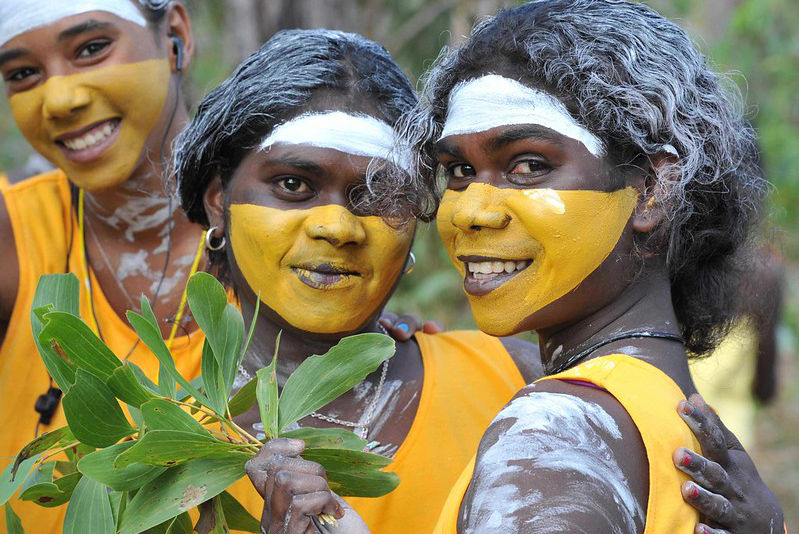
Australians will miss a once in a century opportunity if we shirk a referendum on an Indigenous voice
David Solomon has raised an important issue in Pearls and Irritations this week. He has suggested some opinion leaders may argue there is little point in a referendum to enshrine a Voice for First Nations in Australia’s Constitution because the Commonwealth parliament already has the power to legislate for creation of such a “Voice” and should simply act now to provide Indigenous communities with government support to improve health, education, employment and living conditions. (more…)
-
A “whole of process” approach could reduce Aboriginal incarceration
There are many points of entry into incarceration at which a decision NOT to detain can be made, from the first encounter with police through to sentence and even after sentence. (more…)
-
Uluru Statement and Makaratta message redefine sovereignty
There is a huge contrast between the notion sovereignty depicted in the Uluru Statement from the Heart and political leaders’ perception of this concept as a weapon. Uluru’s message forecasts hope through reciprocity and healing. (more…)
-
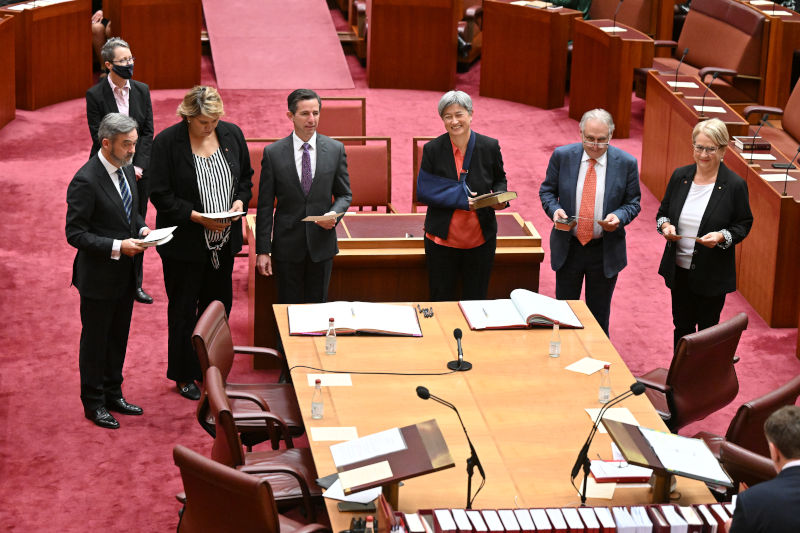
Gary Highland: Changing the parliament and changing the country
Kerrynne Liddle had to wait a nail biting 25 days to be confirmed as the final Aboriginal person elected to the Federal Parliament at the May 21 election. (more…)
-

An update on Indigenous numbers in Australia
Some years ago, I wrote a piece asking, ‘How many Aboriginal Australians are there? My beef at that time was that the Australian Bureau of Statistics (ABS) wasn’t collecting census data about ‘Indigenous’ people in ways that met the High Court’s criteria to be regarded as an Aboriginal (and presumably Torres Strait Islander) person. This continued to be the case in the 2021 census. (more…)
-
Uluru-Legacies, political capital and ending the procrastination
You know the feeling you get when something is bleedingly obvious, staring you in the face and because no one else seems to recognise it, you begin to doubt what you see? (more…)
-

Let them eat cake
In closing the gap between First Nations peoples and their fellow non-Indigenous Australians, this budget has nothing worthwhile. (more…)
-
History repeating: expecting injustice
“When are we going to get justice?” Ned Jampinjinpa Hargreaves, Warlpiri elder (more…)
-
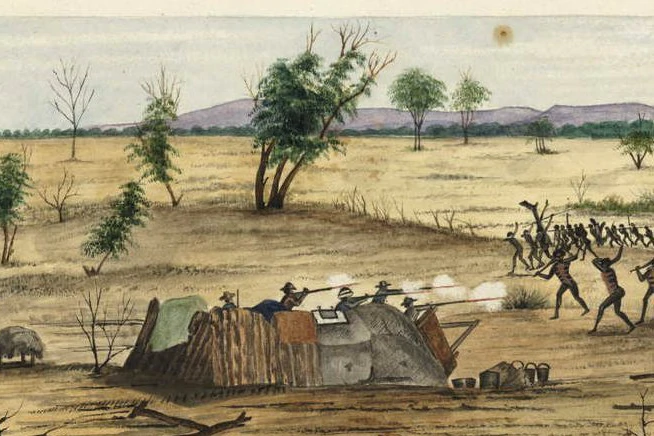
Bridget Brennan and Kirstie Wellauer – More evidence of ‘genocidal killings’ of Aboriginal people in frontier times
A pattern of brutal reprisals began to emerge in the late 19th and the 20th centuries as thousands of Aboriginal people were murdered in colonial times, new research suggests. (more…) -
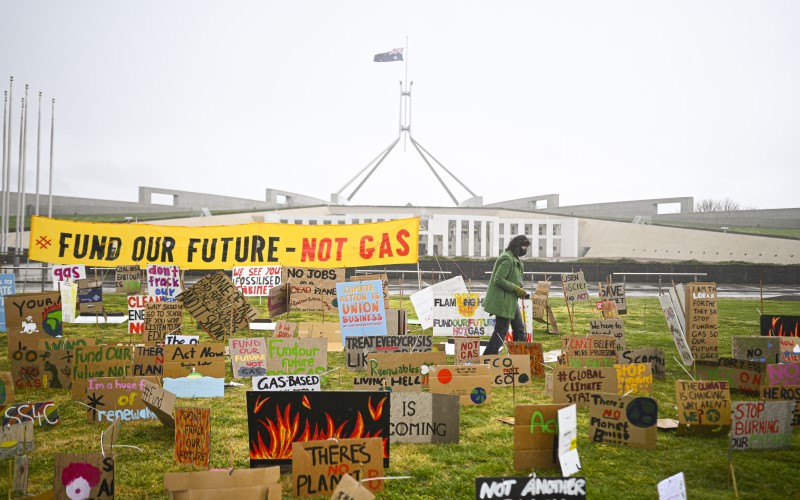
‘Let it rip’ mentality underlies Australia’s cruelest policy failures
Australia’s Covid ‘let it rip’ mentality is deeply ingrained in the nation’s past and, through climate and environmental inaction, is driving a larger peril.
-
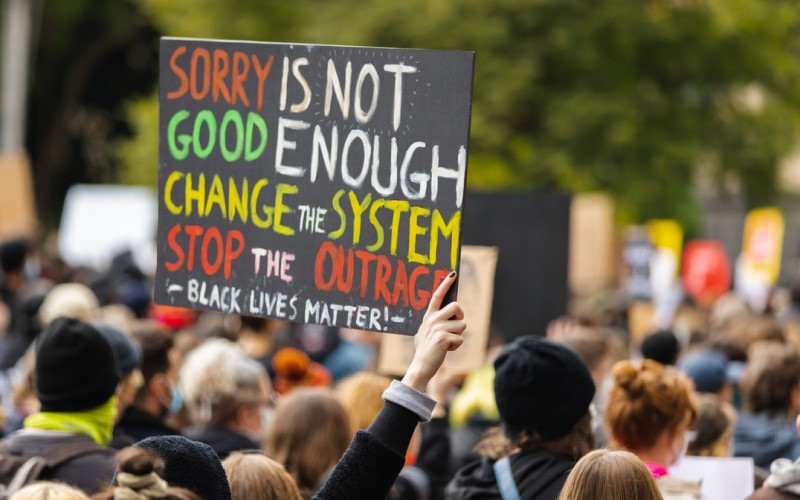
Replace celebration of January 26 with a lifetime of deep listening
The day is an abomination masquerading as inclusivity. Whatever we call it, there should be no link to the violence of the colonisers. (more…)
-
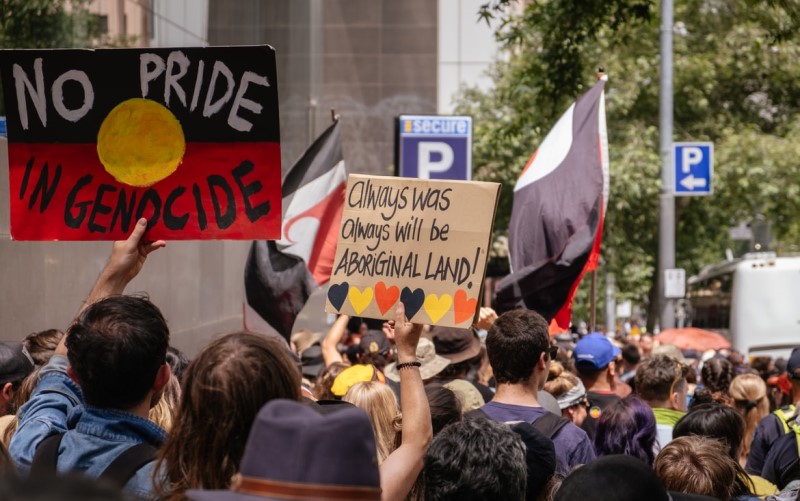
Conservatives venerate January 26. Do they even understand how it happened?
The British government knew almost nothing about Australia, assuming it was uninhabited and available to be exploited.
-
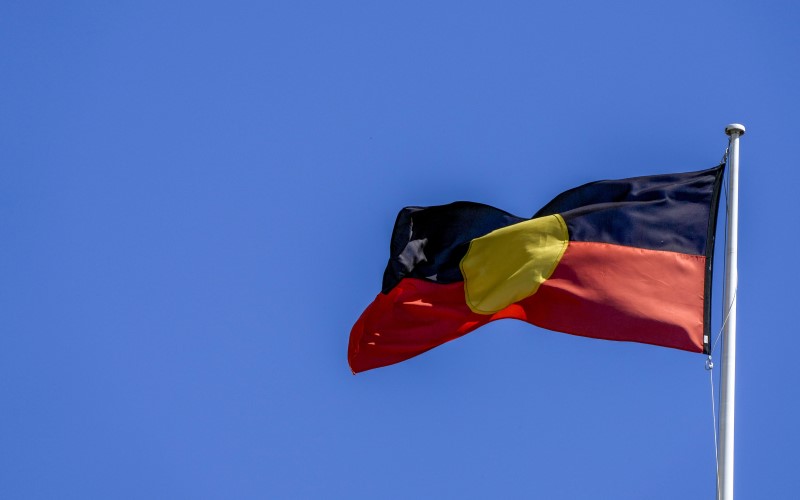
Australians live high on the proceeds of stolen land, but we have ways to atone
We’ve been offered a real path towards healing. The Makarrata holds out to us all a chance for truth-telling, understanding and reconciliation.
-
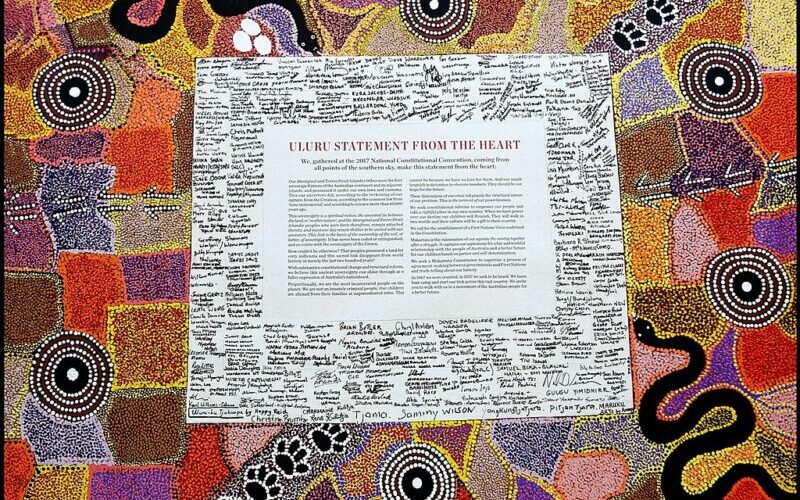
On Australia Day we must proclaim an Indigenous Voice to Parliament
The Uluru Statement from the Heart invites us all to walk with Indigenous Australians towards a better future. Let’s say yes. (more…)