
Private-school scholarships can transform individual lives, but selective admissions make success rates a poor measure of what schools achieve – and leave the hardest-to-help children largely invisible. (more…)
Category: Indigenous affairs
-
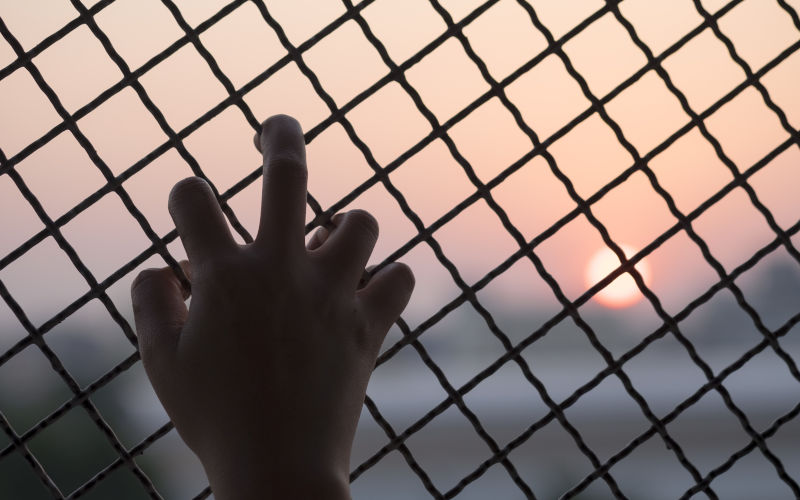
Children are spending days in police cells built for adults
Children are spending days – and sometimes a week or more – in police custody designed only for short stays. New research points to isolation, poor conditions and serious gaps in oversight. (more…)
-

Making Indigenous incarceration strange again
When too many young Aboriginal men come to see prison as a normal stage of growing up, the question is not only what has gone wrong with them – but what has happened to the society around them. (more…)
-
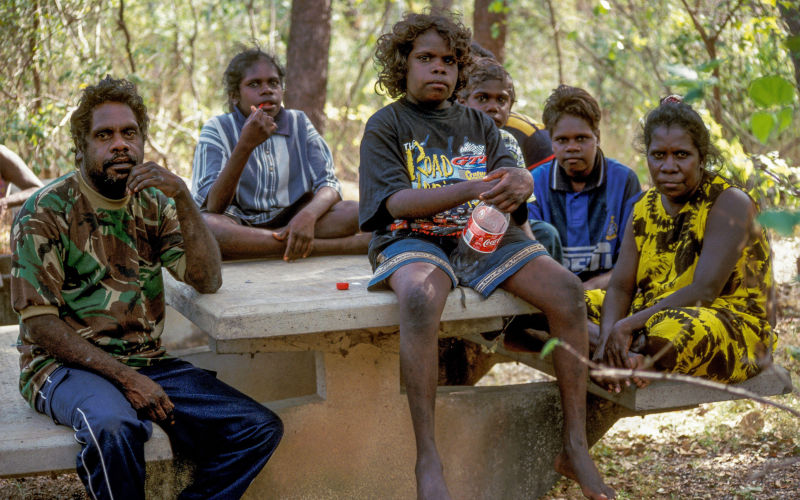
The program that quietly evaluated me
An Aboriginal-developed program revealed that lasting social change depends not only on structural reform, but on people discovering and using the agency they already possess.
-
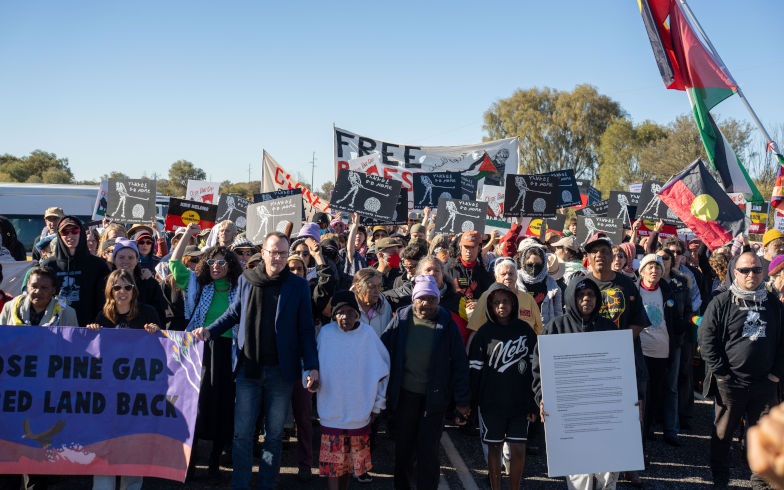
Pine Gap protest exposes Australia’s Indigenous rights hypocrisy
Australia champions Indigenous rights internationally, yet the militarisation of northern Australia raises urgent questions about consultation, consent and the use of Indigenous lands for defence purposes. (more…)
-

Putting a ceiling on prisoners’ human rights
The Victorian Corrections Amendment Bill 2026 reveals what happens when a government decides that the difficulty of respecting rights is a sufficient reason to remove them. (more…)
-
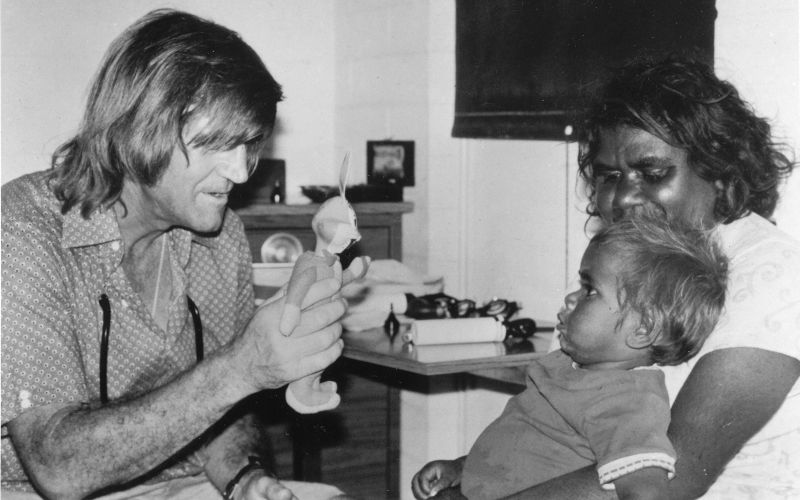
Trachoma finally on the way out in Australia
Fred Hollows’ trachoma program exposed appalling Aboriginal health conditions and helped drive the growth of community-controlled health services. (more…)
-

Multiculturalism is the middle ground Australia needs
In the first of a two-part series, Robin Brown and Nick Bogiatzis argue that the moral values claimed as Western are common human values – and deeply present in the world’s oldest continuing culture. (more…)
-

Punishment alone won’t fix youth crime
Tougher penalties dominate the politics of youth crime, but without addressing how young people – particularly First Nations children – learn, relate and develop, punishment risks deepening the very problems it seeks to solve.
-
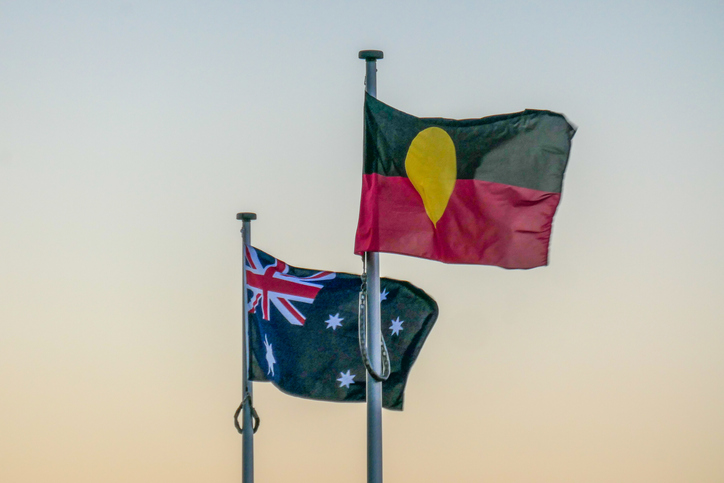
Reconciliation begins with education
Eighteen years after the National Apology to the Stolen Generations, the failure of the Voice referendum exposed how little many Australians know about the violence that followed colonisation – and why education remains central to reconciliation.
-
The Apology sets the standard
The National Apology to the Stolen Generations modelled dignity, responsibility and mutual respect. Its spirit now stands in sharp contrast to the tone of Australian public life. (more…)
-
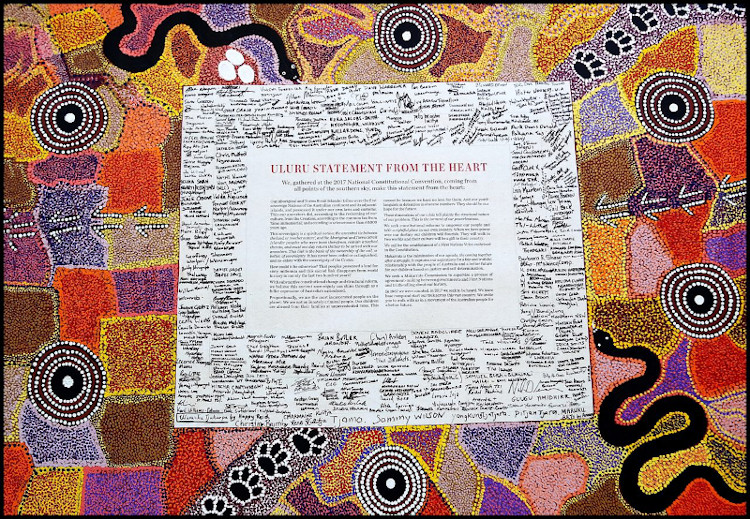
Why the Voice referendum failed – and what the government hasn’t learned from it
The defeat of the Voice referendum was not preordained. It reflected political misjudgement, inadequate preparation and a failure to treat constitutional reform as the serious democratic work it requires.
-

If we’re choosing a national day, there are better options
Australia’s national day marks the beginning of its colonisation. There are better, more meaningful dates that reflect Australian nationhood and democratic choice. (more…)
-
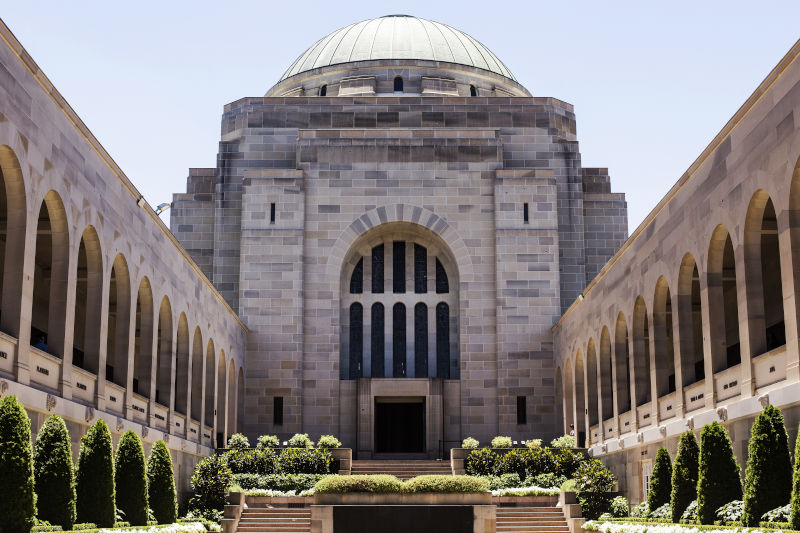
Massacres, memory and the Memorial: facing our most deadly war
The evidence is overwhelming – Australia’s Frontier Wars were real, deadly, and long, and a landmark new book lays it out in full. So when will the Australian War Memorial fully face the truth?
-

Indigenous political candidates face less voter bias than parties might think: new research
When political parties consider potential Indigenous candidates, they often worry about voter backlash. (more…)
-

‘No restrictions’ and a secret ‘wink’: Inside Israel’s deal with Google, Amazon
To secure the lucrative Project Nimbus contract, the tech giants agreed to disregard their own terms of service and sidestep legal orders by tipping Israel off if a foreign court demands its data, a joint investigation reveals. (more…)
-
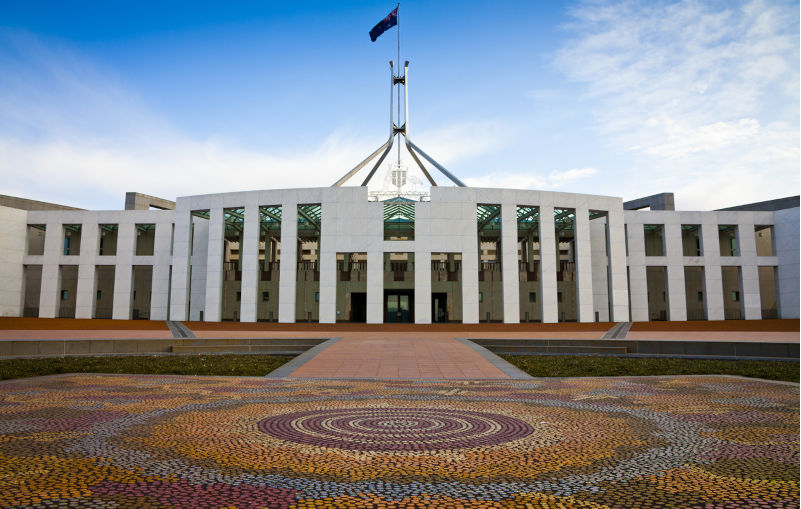
Embedding free, prior and informed consent in Australia’s legal framework
Tiarna Williams is one of six talented young Australians who will travel to the UN General Assembly in New York next week as part of the Global Voices project. (more…)
-

Exposing the language of oppression: Debra Dank’s ‘Terraglossia’
At demonstrations about the genocide in Gaza, it has been encouraging to see that speakers have acknowledged the traditional owners of unceded sovereign lands. (more…)
-

Reclaiming illegally granted Indigenous land: An interview with Wiradjuri man Paul Towney
Proud Wiradjuri descendant Paul Towney was out in front of the Federal Court of Australia on Gadigal land on Macquarie Street in Sydney city on 19 September 2025. (more…)
-
Call for national action to prevent ‘torture’ or death of incarcerated First Nations children
Paediatricians in the Northern Territory see the dire effects of entrenched structural racism on Aboriginal children on a daily basis. (more…)
-

Is the Northern Territory Government knowingly endangering First Nations children and young people?
It should be impossible to ignore heartbreaking evidence of the effects of structural racism on Aboriginal children and young people, particularly those caught in a fully discredited punitive system in the NT that now includes “torture” plus risks of death as well as trauma. (more…)
-

Federal Court rules Australian Government doesn’t have a duty of care to protect Torres Strait Islanders from climate change
The Federal Court has handed down its long-awaited judgment in a four-year climate case brought by Torres Strait Islanders. (more…)
-
It’s time for another reforming and agitating attorney-general
Just last month Australia celebrated the 50th anniversary of the Whitlam Government’s Racial Discrimination Act (1975), without much fanfare it has to be said. (more…)
-

The politics of a police criminal organisation
In 1972, police at an Aboriginal settlement at Papunya, several hundred kilometres west of Alice Springs, closed down a travelling Slim Dusty concert after some of the young men somehow got access to alcohol and became drunk. (more…)
-

Aboriginal-Chinese roots of reconciliation: China’s first cultural envoys in Australia
As Australia marked Reconciliation Week (27 May – 3 June ), a landmark exhibition at the National Museum of Australia reminds us that Indigenous–Chinese bonds helped forge the links between the two peoples long before Canberra and Beijing formalised diplomacy in 1972. (more…)
-

‘Deadly’ sports diplomacy: why Australia’s Indigenous people must be a part of our sports strategy
The fact that Aboriginal and Torres Strait Islanders have practised sports diplomacy for more than 60,000 years is a powerful story. (more…)
-

In one awful decision, Albanese has revealed his do-nothing plan
It didn’t take long for us to discover what a triumphantly re-elected Labor government would be like. (more…)
-

Time again for stewards to do a moral health check-up
Was there ever anything more predictable, and more shameful than the detached and independent — and, of course, apolitical — decision by federal Environment Minister Murray Watt that damage caused to Aboriginal Australian heritage values could not weigh as heavily as the economic interest of Woodside’s Northwest Shelf project, worth billions of dollars, potentially trillions? (more…)
-

Bridging now to next – seeking to rise from the ashes of the Voice referendum
During this Reconciliation Week (27 May – 3 June), with the theme Bridging Now to Next, the nation is aware that there is still unfinished business on the national agenda when it comes to the due recognition of Aboriginal and Torres Strait Islander Australians. (more…)