Like many I was revolted by the video of Itamar Ben-Gvir taunting and humiliating courageous international citizens determined to get supplies to Palestine. If you haven’t seen it, the video shows the Israeli Minister humiliating Gaza flotilla activists, who are shown kneeling in rows, heads bowed, hands cable-tied behind their backs.
As Ben-Gvir pushes through a crowd, waving an Israeli flag, one young woman has the nerve to stand and yell ‘free Palestine’. She is brutally shoved down, with a hand to the back of her neck. All the while the Israel national anthem blares and Ben-Gvir talks direct to camera. This was no gotcha moment, Ben-Gvir posted the video himself, tagged with “Welcome to Israel”.
From the man who is the poster child for the Zionist hard right, this should be no surprise. But some things still have the power to shock, and they should. Condemnation from world leaders, including from Australia, was immediate and strong. Parents of flotilla members were on high-rotation in the mainstream media, creating more coverage than the courageous campaigners have had in a long time.
When I was a junior reporter in the early 1990s, we were taught that proximity to a tragedy was a core factor in newsworthiness. This proximity principle dictated that one person killed in your town got the same number of column inches as perhaps ten dead elsewhere in Australia, and hundreds (perhaps thousands) overseas.
Whether you agreed with the formula or not it ruled where and if your stories ran, and how many column inches they were allocated. The formula assumed that ‘we’ cared more about ourselves and those close to ‘us’, than others. And to be brutally frank this was, and often still is, true. The proximity principle still holds in many parts of the media, and we have seen it writ large with the blanket coverage of the Ben-Gvir video.
But proximity isn’t the only factor in this equation. There is also a big assumption about who is ‘us’. If you looked at my newsroom back then, the ‘us’ was solidly Anglo Saxon/Celt. That is no longer the case, and I think the mainstream media is missing that.
In a richly multicultural nation, where people born in India have now become Australia’s largest overseas-born population, the definition of ‘us’ should reflect our rich cultural makeup.
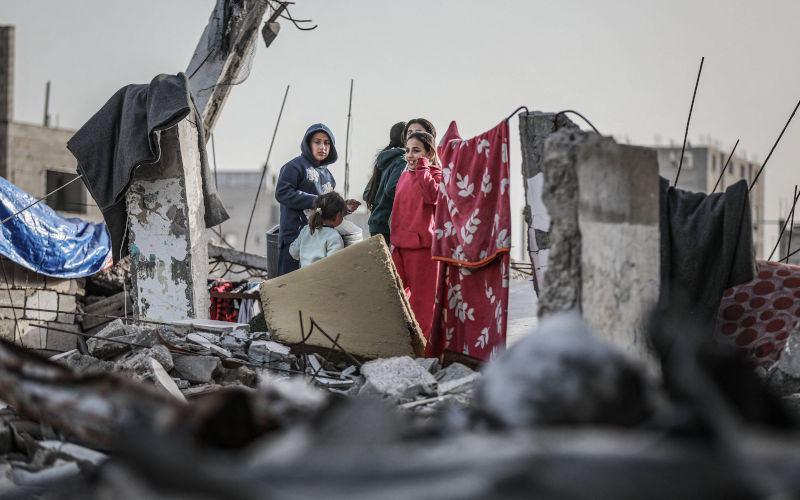
So that brings me back to this week and my discomfort with the ‘all of a sudden’ interest in the flotilla. Mainstream media care because it is ‘us’ – our children, our brothers, our sisters, being brutalised. But that same brutality has resulted in genocide, in the deaths of 75,000 Palestinians – many of them children – and many others as a result of the US/Israel war in Iran and Lebanon.
In a richly multicultural nation, narrow assumptions about who ‘we’ care about no longer hold.
Anything that draws public attention back to the genocide is a good thing, but let’s be frank about why, and what that means about where our attention should be, every day, not just on days when we think we can see ourselves on the equation.
Compassion does not end at the front gate. Our media should reflect that.
If you haven’t subscribed for a daily or weekly newsletter you can do so here for free. We are utterly independent, with no corporate or government funding, and no ads, so please also consider supporting our work with a donation.

Catriona Jackson is the Chief Executive and Editor of Pearls and Irritations.