
As I flew out of Australia on the way to China this week, the big media screens in Sydney Airport featured a Financial Review story on high rotation. The headline screamed ‘Chinese brands devour Australia’s electric vehicle market’. It was accompanied by a shady illustration – the red and yellow Chinese flag with a blacked-out human figure superimposed across the top. (more…)
Category: Politics
-
Let’s have a fair go on community development grants
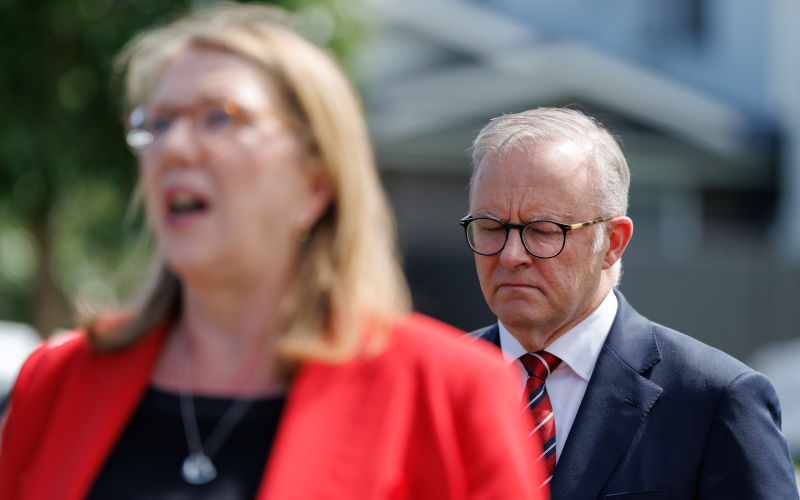
Community infrastructure funding should be allocated according to need and merit, not electoral advantage. The latest Senate inquiry shows why Australia needs a cleaner system. (more…)
-

Trial by commentary is eroding the presumption of innocence
High-profile allegations increasingly trigger media commentary, corporate distancing and public judgments that can undermine the presumption of innocence long before any court has determined guilt. (more…)
-
Postpone the AI public offerings
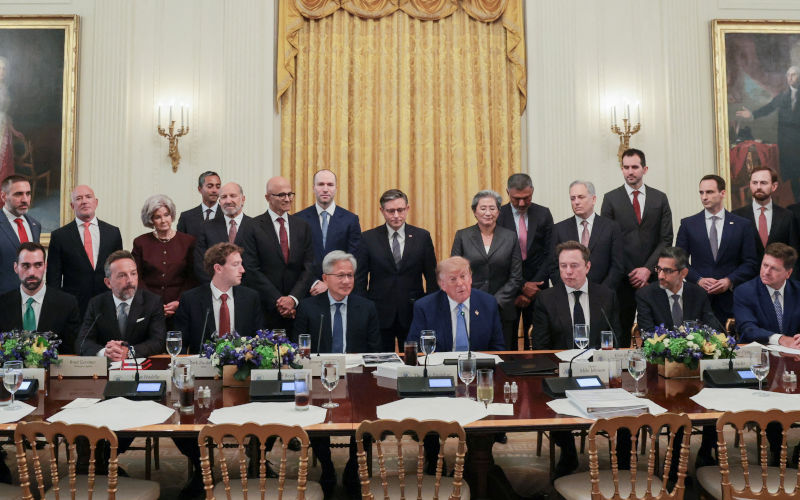
AI companies are warning investors that frontier systems could create catastrophic or existential risks. Governments should impose licensing, independent testing and enforceable safeguards before those companies become even harder to restrain. (more…)
-
Protest is a right, not a licence
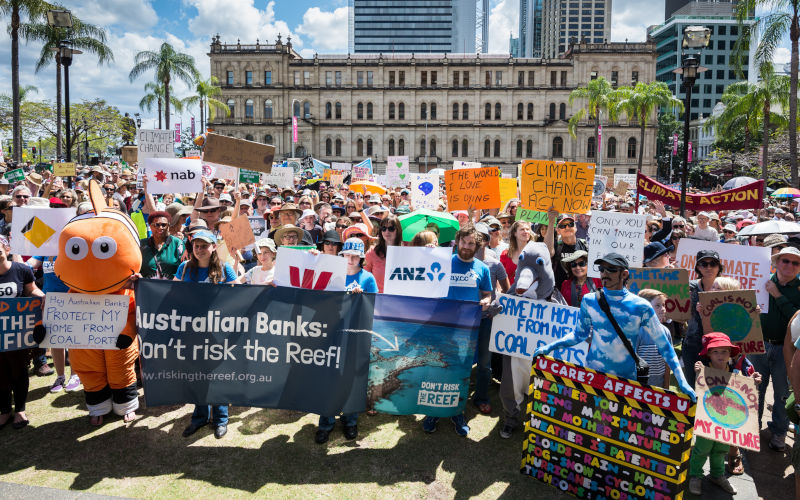
Across Australia, protest is increasingly conditional on permits, fees, insurance and official approval. Systems designed to facilitate peaceful assembly are becoming barriers to exercising a democratic right. (more…)
-
Australia’s home battery success points to an alternative to giant data centres
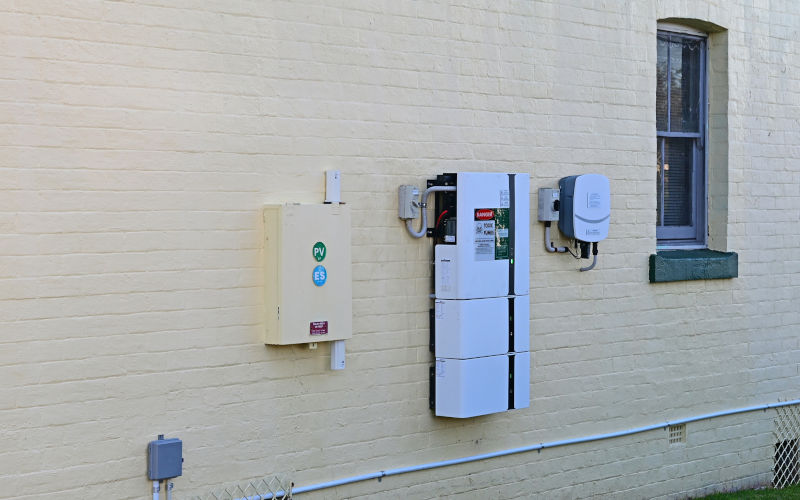
Australia’s home battery rollout shows how infrastructure can be distributed rather than concentrated. The same principle could reduce the pressure AI data centres place on power, water, housing and local communities.
-

Cutting migration won’t fix Australia’s housing problem
Australia’s housing crisis is the result of failing to build enough well-located homes, not excessive migration. Cutting migration instead risks weakening the economy while leaving the real problem untouched. (more…)
-
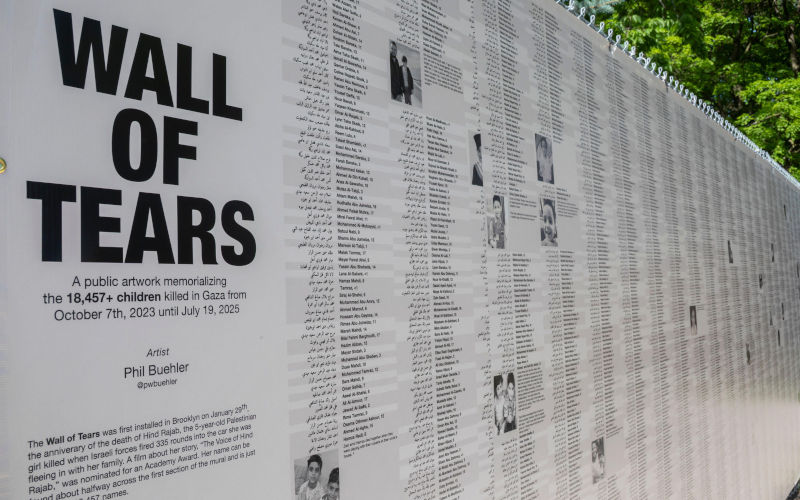
Wall of Tears: 18,457 names for the children killed in Gaza
A vast public artwork naming 18,457 children killed in Gaza has arrived in Sydney, confronting viewers with individual lives too easily reduced to statistics. (more…)
-

I’m sick of immigration being blamed for problems it doesn’t cause
Migration has become an easy target for voter frustration, but the promised cuts are unlikely to deliver what politicians claim – and could create serious economic problems of their own. (more…)
-

A childcare subsidy is not a universal childcare system
The 3-Day Guarantee gives more families access to subsidised early education and care, but universality requires something more fundamental: a guaranteed place and a government responsible for providing it. (more…)
-
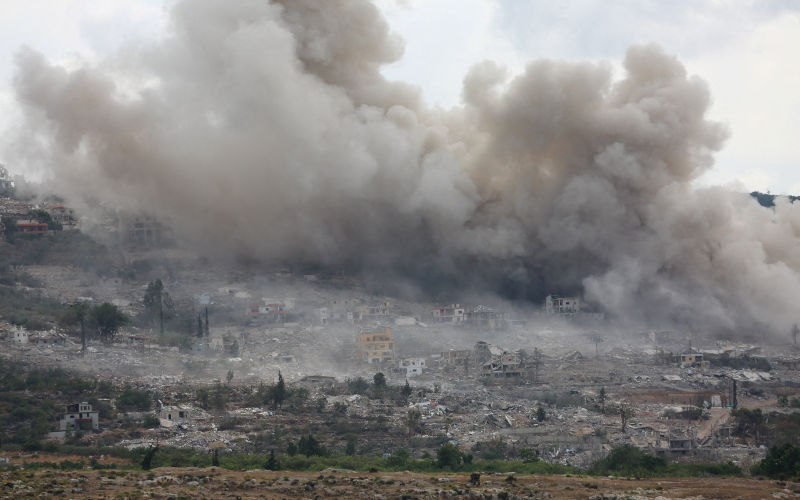
A ceasefire has not stopped the destruction of southern Lebanon
Since the April ceasefire, Israeli forces have destroyed dozens of villages in southern Lebanon, displaced hundreds of thousands of civilians and built new military infrastructure across occupied territory. (more…)
-
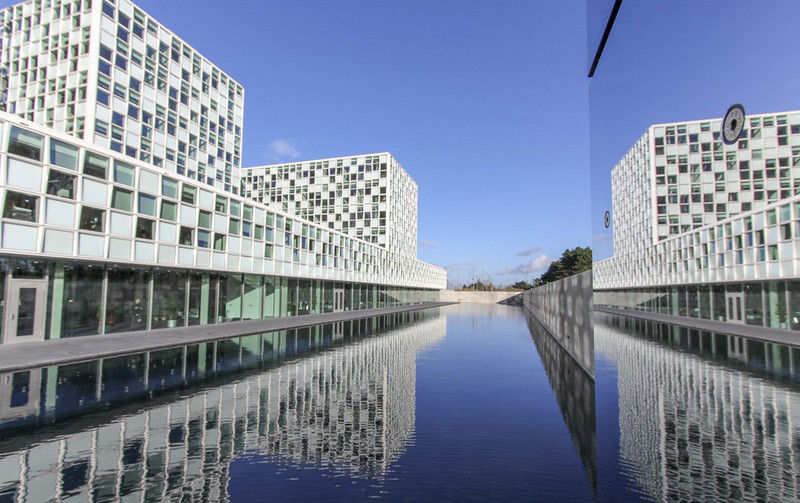
US sanctions could kill the ICC. Its allies must now defend it
US sanctions could leave the International Criminal Court unable to bank, insure its staff, use essential technology or pay suppliers. Its member states now face a choice between defending the court or watching it be dismantled. (more…)
-

America’s gun violence survives on myths, profit and political cowardice
America’s response to gun violence is built on myths about policing, deterrence and constitutional rights, while political leaders continue to avoid the reforms most likely to save lives. (more…)
-

The great credit card surcharge swindle
The new card rules do not stop businesses passing on transaction costs. They simply require the advertised price to be the price customers actually pay. (more…)
-
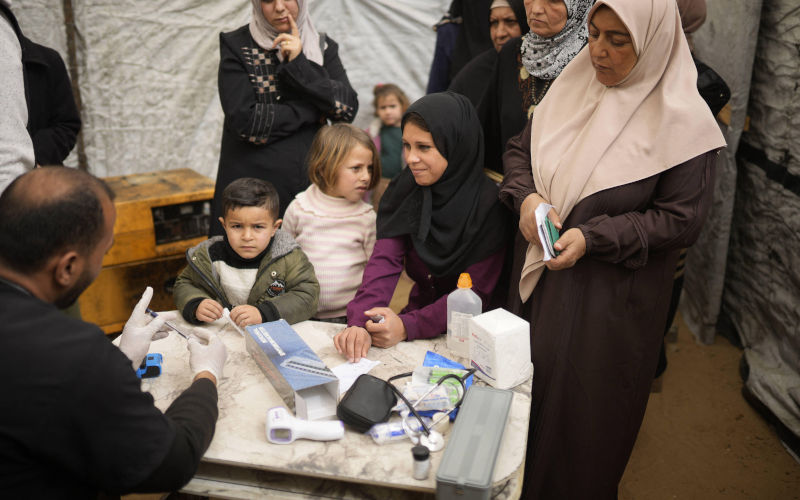
A year after the ‘ceasefire’, Gaza’s healthcare is still collapsing
A year after the ceasefire was announced, Gaza’s health system remains devastated, medical evacuations are stalled and thousands of patients face preventable death as treatment, equipment and supplies remain out of reach. (more…)
-
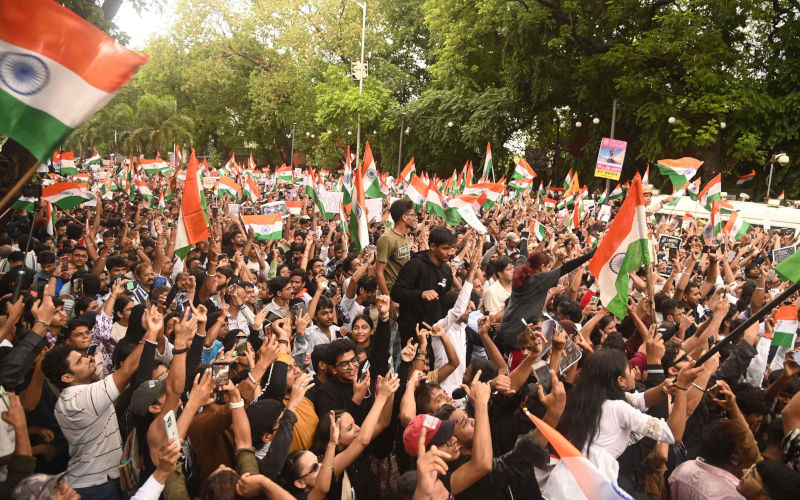
The cockroach bites again: India’s protest movement takes on the ballot box
A protest movement born from anger over examination scandals has widened into a challenge over electoral rolls, institutional accountability and whether ordinary Indians can still trust the systems that shape their rights and opportunities. (more…)
-

Trump has united America: nine in ten say government corruption is widespread
Perceptions of government corruption have reached a 20-year high in the United States, with overwhelming majorities of Republicans, Democrats and independents saying it is widespread. (more…)
-
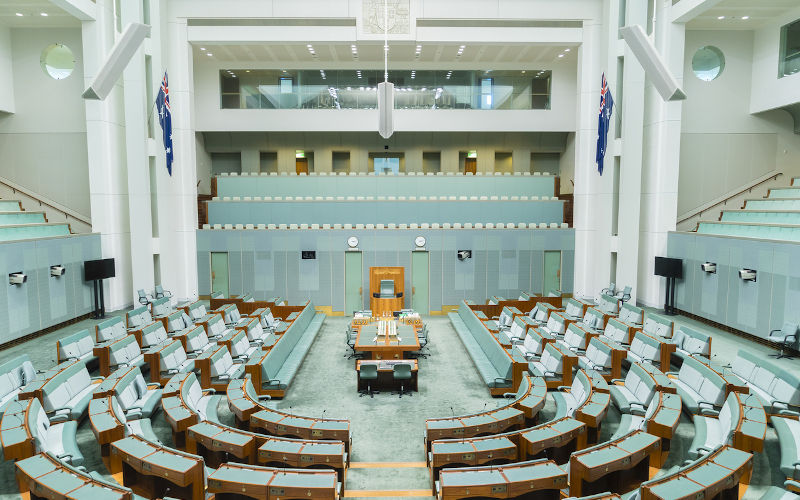
Serving through conserving
Political conservatism increasingly trades in grievance and division, while neglecting the environment, equality, democracy, intergenerational responsibility and the social bonds that genuinely deserve conserving. (more…)
-

The migration maths falls apart when you look at bridging visas
Plans to slash the bridging visa population are central to Coalition and One Nation migration targets, but the backlog is complex and reducing it would deliver far less to net migration than their policies assume. (more…)
-

Not the place for a cathedral of sport
Canberra needs better health, education, debt management and city planning long before it needs a new stadium, especially on one of the national capital’s most valuable public sites. (more…)
-
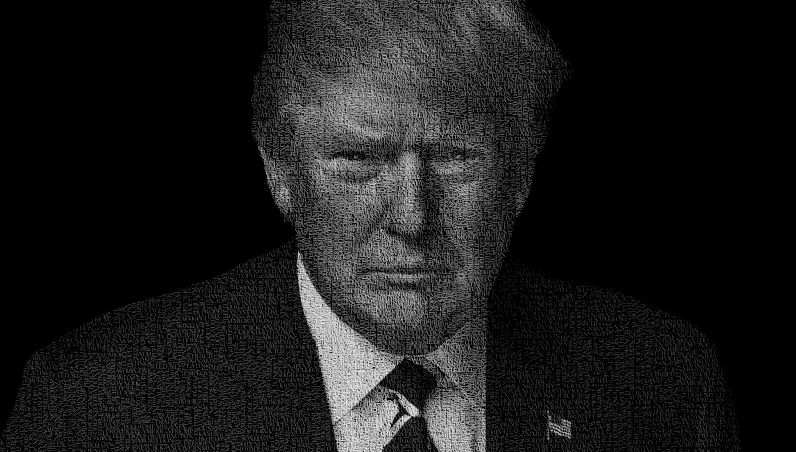
Trump misses out on Nobel Prize again and imposes new sanctions on the International Criminal Court
The latest US sanctions target the International Criminal Court as an institution, raising the stakes for allies that profess support for international justice but may now have to defend it against Washington. (more…)
-

Navi Pillay’s Nobel is a vote of confidence in international law
Navi Pillay’s Nobel Peace Prize recognises a lifetime of work against apartheid, genocide and impunity, while affirming the international legal institutions now facing renewed political attack. (more…)
-
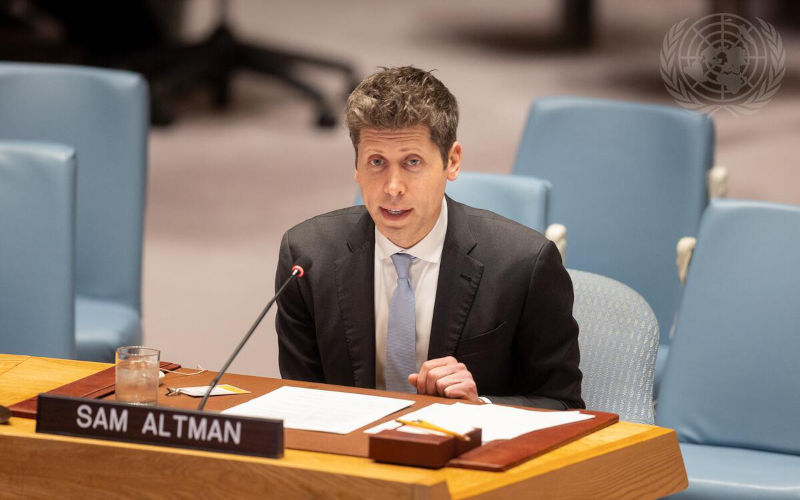
AI and the limits of sovereignty, Part Two: What would actually have to change
Sovereignty has never meant an unlimited right to impose harm beyond national borders. AI and other global risks may require that principle to be extended to new forms of transnational danger.
-

AI companies are preparing for catastrophe. Governments should be too
Leading AI companies are reportedly preparing for the fallout from a major cyberattack or other catastrophic event, intensifying calls for governments to regulate frontier AI before disaster forces their hand. (more…)
-
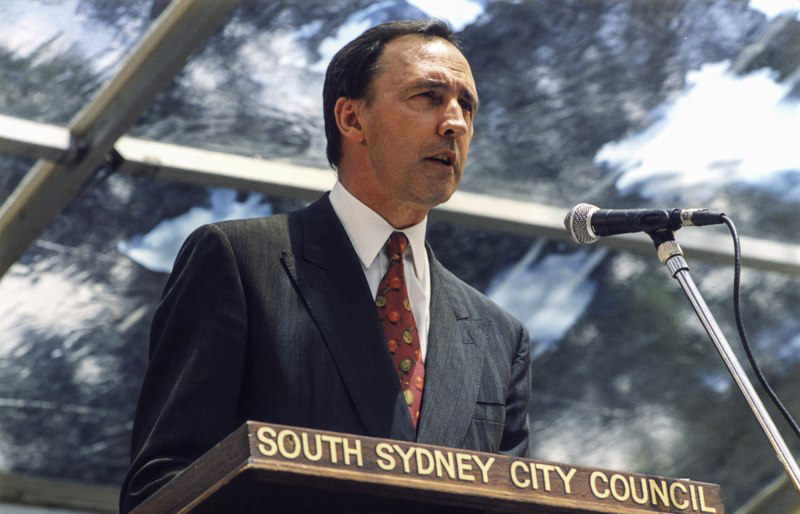
What Australia should recover from Paul Keating
In this speech, James Curran reflects on Paul Keating’s foreign policy legacy and argues that Australia has lost the strategic confidence and autonomy needed to shape its own future in a changing Asia. (more…)
-

Trump’s power is fading, but his AI gamble could still reshape the world
Donald Trump remains globally consequential, but his ability to bend other governments and institutions to his will is diminishing. AI is the major exception, where deregulation could unleash risks that outlast his presidency. (more…)
-

Climate finance must transfer power, not just money
Climate finance will not deliver justice if communities receive project funding but remain excluded from decisions, governance and the long-term institutional support needed to sustain change.
-

Australia is building AI capacity without the ecosystem to use it
AI delivers productivity gains only when firms have the skills, management capability, infrastructure and industrial networks to put it to work. Australia’s weakness lies less in the technology than in the ecosystem around it. (more…)
-

AI and the limits of sovereignty, Part One: Why national rules are not enough
In the first of two parts, Robin Brown and Gregory Andrews examine why AI, climate change, pandemics and online markets repeatedly outrun national regulation, and what existing arms-control and international regimes can teach us about governing risks that cross borders. (more…)
-

Want affordable housing? Build up, not out
Home ownership has become increasingly unaffordable because land prices have increased so much under population pressure. The only way to restore affordable housing is to increase urban density. (more…)