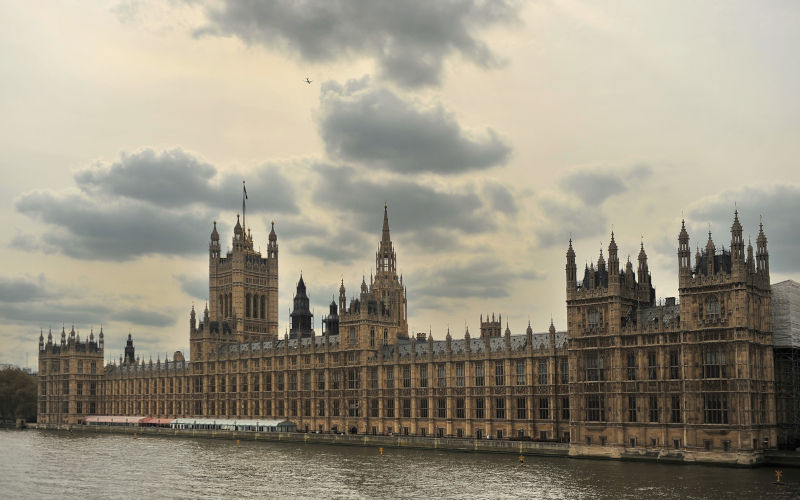
Relying on US investment in the UK bond market is a major constraint for any British prime minister. (more…)
Category: Politics
-
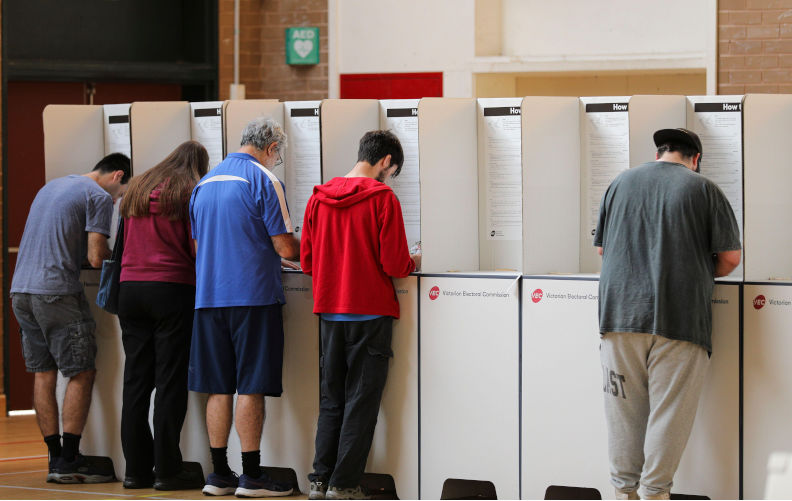
The man who did everything right
The story of a voter who did everything Australia once told working people to do: work hard, buy a home, raise a family and keep faith. Now, after years of lost jobs, debt and broken promises, his look towards One Nation is not loyalty but a warning.
-

One umbrella, many stories: Why a “monocultural” Australia misses the point
After Pauline Hanson’s National Press Club call for a “monocultural” Australia, Suzan Wahhab writes from her own family’s journey from occupied Palestine to Sydney to show that the fair go is strengthened, not weakened, by multicultural belonging.
(more…) -

Getting out of the Iranian quagmire
Trump wants to end the war with Iran. That involves protecting Lebanon from Israel. (more…)
-
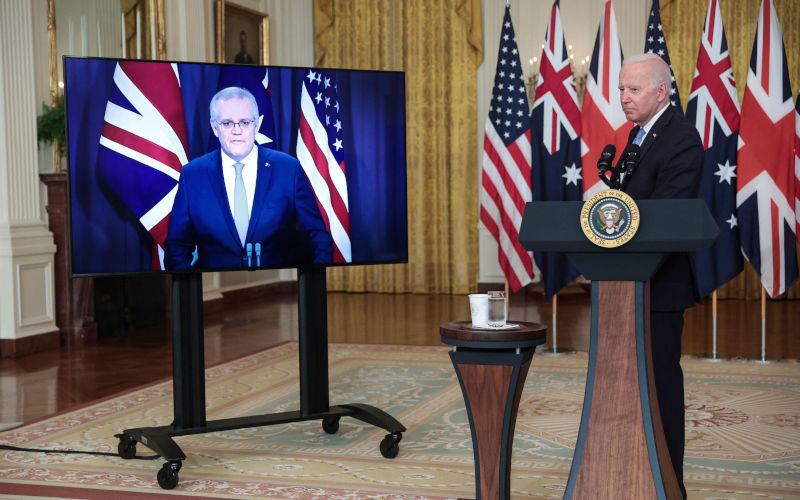
The tragedy of AUKUS
In his submission to the AUKUS Public Inquiry, Joe Camilleri argues revoking AUKUS must be part of wider reassessment of Australia’s place in the world. (more…)
-
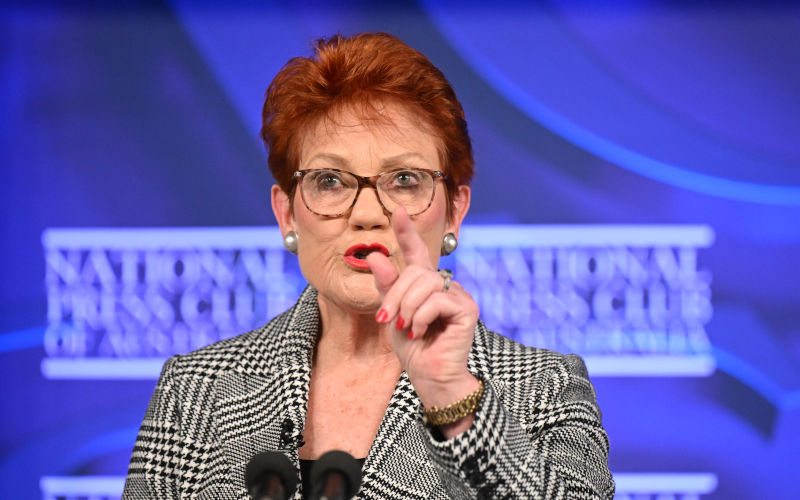
The questions Hanson was not made to answer
Pauline Hanson’s National Press Club address gave the media a chance to test One Nation’s claims on racism, public broadcasting, nuclear power, AUKUS, defence spending and foreign policy – but too many of the hardest questions went unasked. (more…)
-

Inequality in Australia is growing
To address inequality and the social problems it gives rise to, Australia must return to a robust mixed economy with essential services in public control. (more…)
-

China fear is weakening Australian research
Australia needs to manage research security risks, but exaggerating the threat of collaboration with China could weaken national security by cutting Australian science off from leading researchers, global expertise and crucial STEM talent. (more…)
-
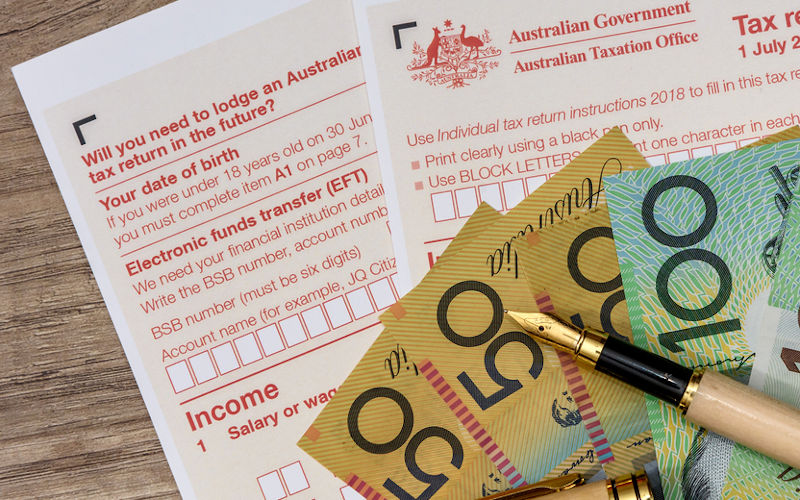
Normally, I’m a friend of the taxman. But now …
The Tax Office has a duty to collect what is owed, but rising complaints show the system risks becoming heavy-handed, opaque and too hard to navigate for taxpayers trying to do the right thing. (more…)
-

Are the government’s NDIS plans real reforms or just blunt cuts?
The NDIS needs reform, but the government risks using blunt short-term cuts to meet Budget savings targets before the harder work of building fairer assessments and foundational supports is in place.
-
Don’t destroy public education in the name of reform
Save Our Schools rejects the idea that fully funding private schools would achieve equity. What is needed is proper support for public education. (more…)
-

Peace needs funding and commitment, not lip service
Australia’s defence budget is set to nearly double over the next decade, while peace research, diplomacy and conflict prevention remain underfunded despite being essential to reducing the risk of war.
-

Who will release the next pandemic?
The next pandemic may emerge from wildlife trade, intensive farming, land clearing, laboratories, global travel or antibiotic resistance, as human behaviour continues to multiply the risks of another major disease outbreak. (more…)
-
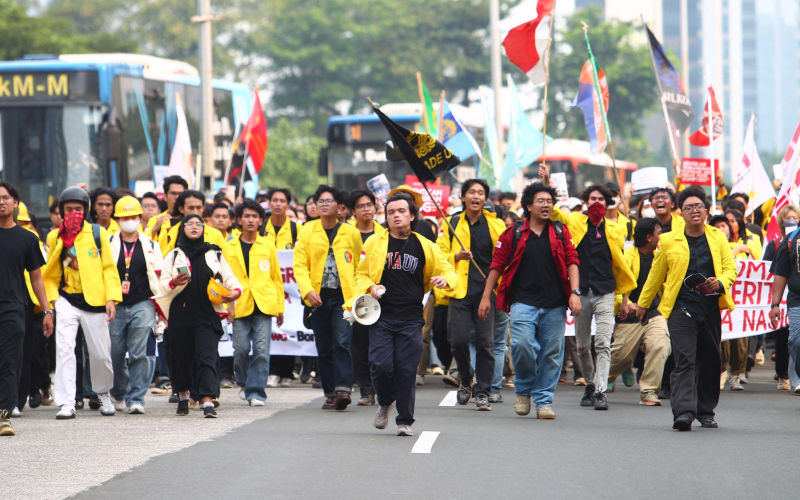
Why Indonesia’s protests won’t shake Prabowo yet
Student protests against Prabowo Subianto’s militarised style of government have exposed anger over prices, corruption and civil liberties, but without broader public support or elite pressure they are unlikely to threaten his hold on power. (more…)
-
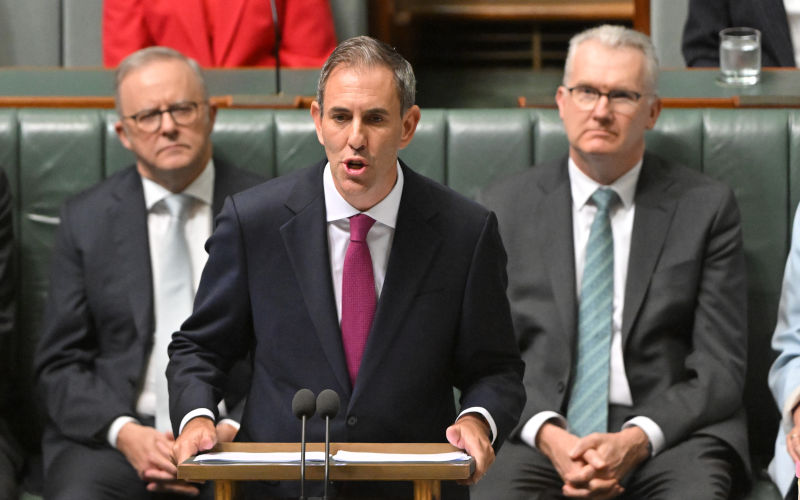
Gotcha, or getting tax right?
As the government’s hearing on its tax changes enters its second day, tax reform will be harder to defend if capital tax changes are left standing alone, and Labor should link them directly to bigger income tax cuts for wage and salary earners struggling with the cost of living.
(more…) -

The Albanese government and the lobbying scourge
Declining trust in government is helping fuel One Nation’s rise, and the failure to properly regulate lobbying has left powerful insiders in gambling, defence and fossil fuels with too much influence over public policy. (more…)
-
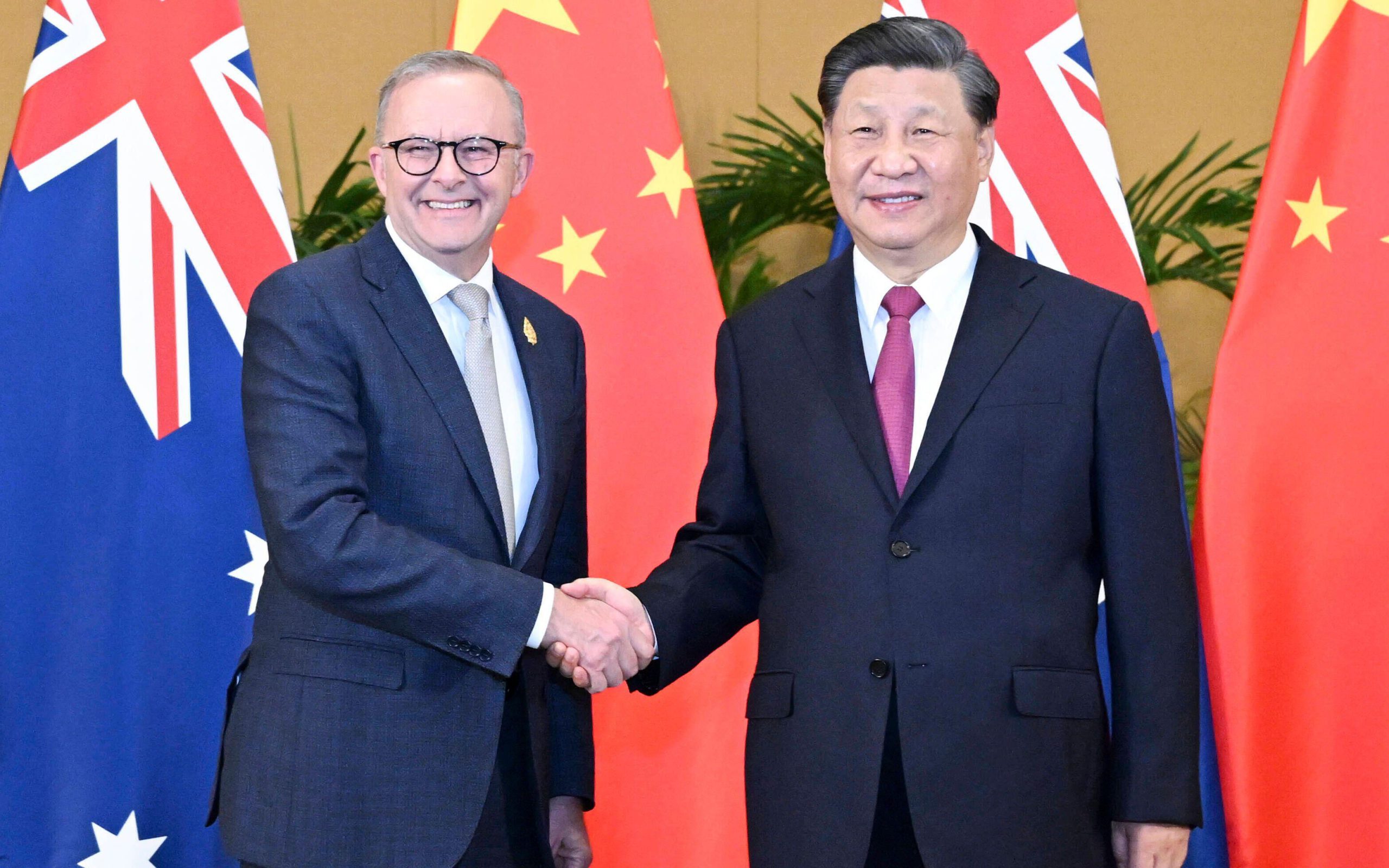
When the sky falls and the Chinese cars invade (again)
Australia’s media coverage of China too often collapses the distance between capability and intent, turning commercial activity and military assessments into a climate of threat that weakens rather than strengthens strategic judgment. (more…)
-
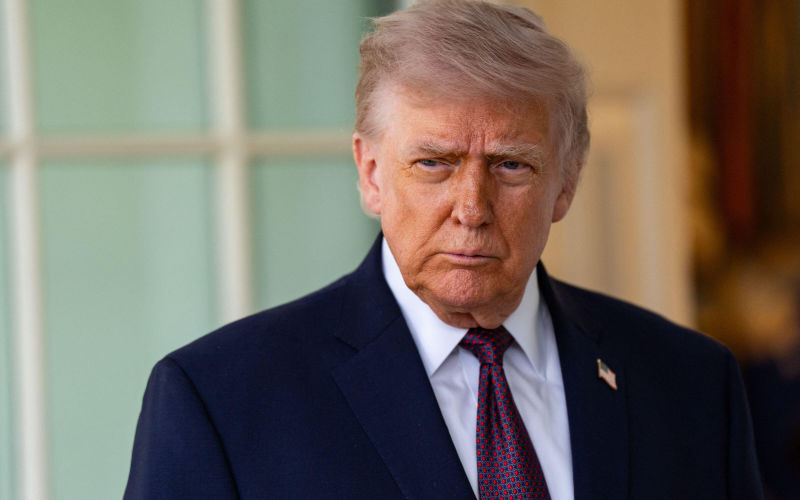
The Iran deal exposes the futility of Trump’s war
A fragile US-Iran agreement may end a war that failed to topple Tehran or destroy its nuclear capacity, leaving Iran with greater regional leverage, Israel exposed and Washington facing hard questions about what the conflict achieved. (more…)
-
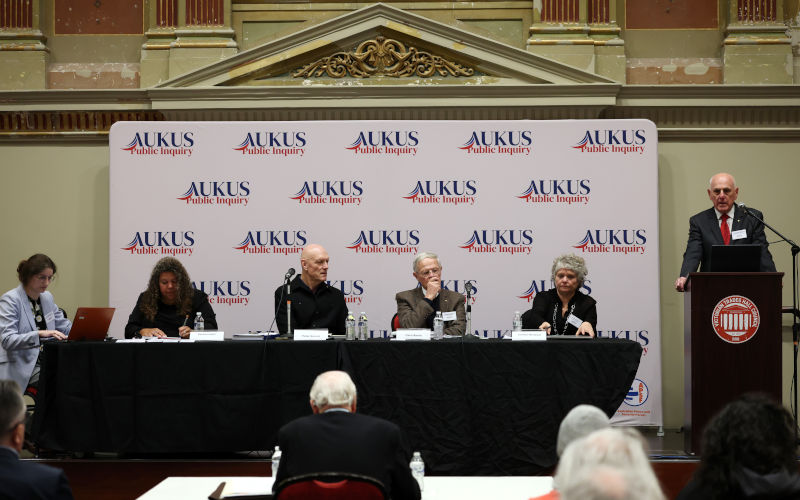
AUKUS and democracy: why both matter
A Commissioner on the Public Inquiry into AUKUS responds to Waleed Aly’s view that the inquiry will have no impact. (more…)
-

Stateless people need protection, not removal to Nauru
As the Senate Legal and Constitutional Affairs References Committee prepares to report tomorrow, Australia’s latest Nauru arrangement should be terminated because it deflects obligations to refugees and leaves stateless people facing prolonged legal limbo without durable protection.
-
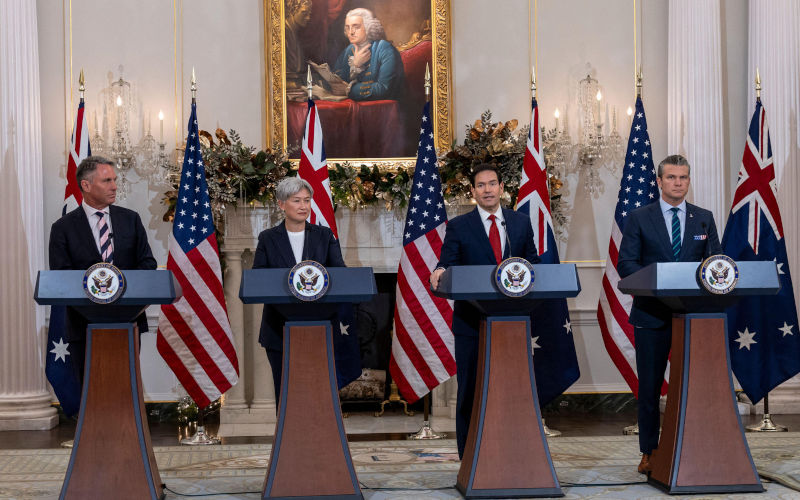
Decolonising democracy – part eight
In the final part of this series, John Keane asks whether democracies will have the resolve to stand up to the USA and to find remedies for the maladies of representative democracy. (more…)
-
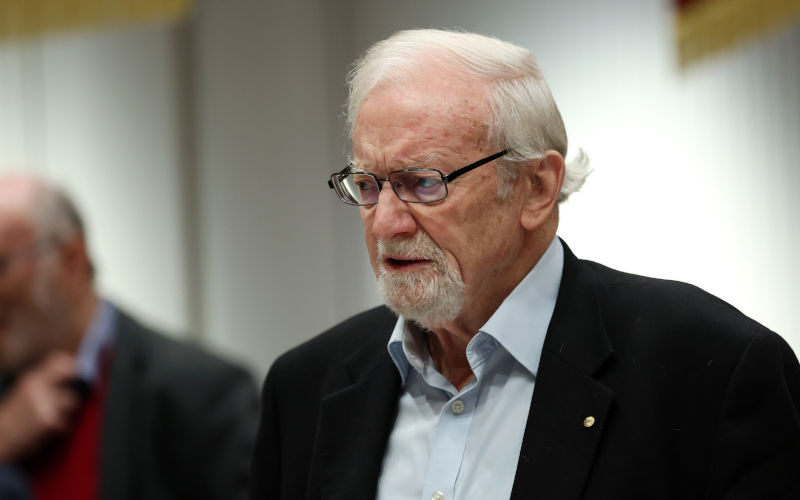
The case against the AUKUS submarine project
In a submission to the public inquiry into AUKUS, former foreign minister Gareth Evans argues the submarine project is not in Australia’s national interest, warning that doubts over delivery, excessive cost and loss of sovereign agency demand an urgent Plan B. (more…)
-

Australia cannot fix housing without more density
Housing costs account for much of Australia’s cost-of-living crisis, and affordability will not improve unless governments increase housing supply where people need to live, including through greater urban density.
-
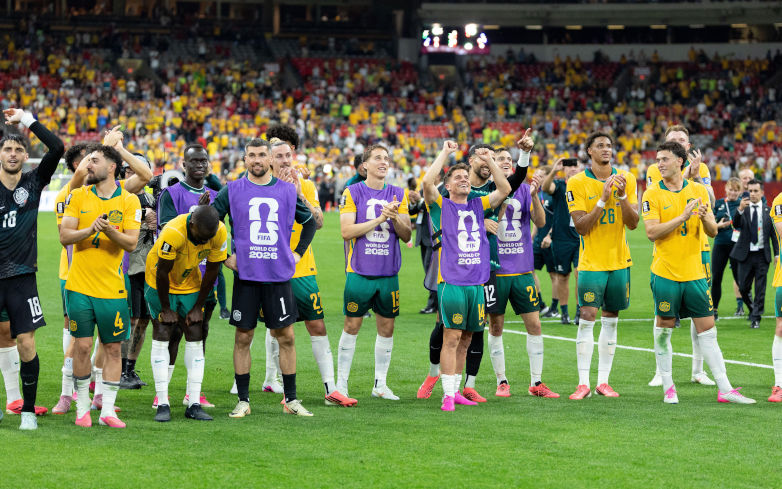
What the Socceroos teach us about belonging
The Socceroos’ success is more than a sporting story: it is a reminder that the children of migrants and refugees are not outsiders to Australia’s future, but part of the national story itself. (more…)
-
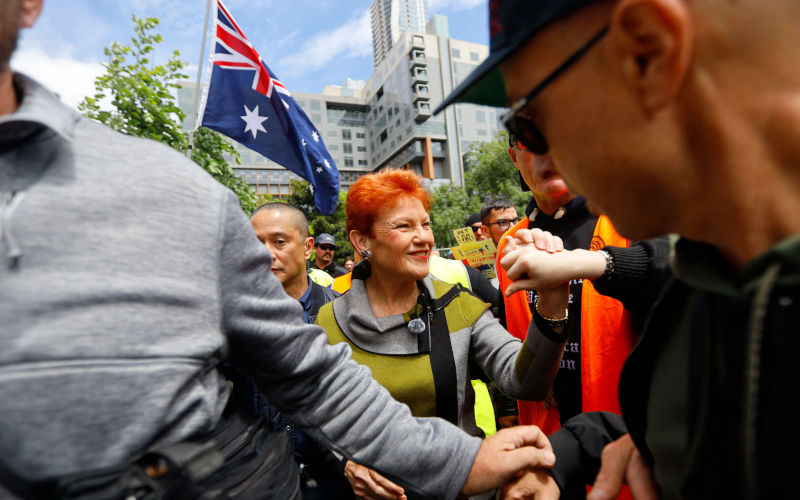
Hanson is winning because politics has stopped listening
Pauline Hanson’s rise cannot be countered by facts, logic or clever campaign tactics alone, because One Nation’s appeal is rooted in disgust, alienation and a belief that mainstream politics no longer listens.
-

Australian smelting needs an urgent clean energy fix to stop the bailouts
Australia’s smelters will keep needing taxpayer bailouts unless governments create a publicly backed clean energy model that can deliver reliable, affordable power for heavy industry. (more…)
-
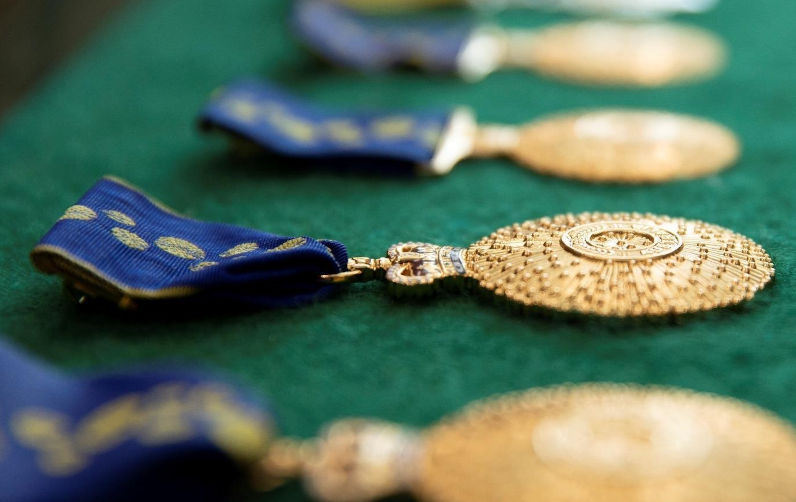
Australia fixed one honours gap. Is another being overlooked?
Australia has improved women’s representation in the honours system, but culturally and linguistically diverse communities, particularly CALD women, remain under-recognised despite their central role in social cohesion and community life.
-

Decolonising democracy – part seven
In the seventh of an eight-part series, John Keane asks if other democracies can decouple themselves from the American empire. (more…)
-
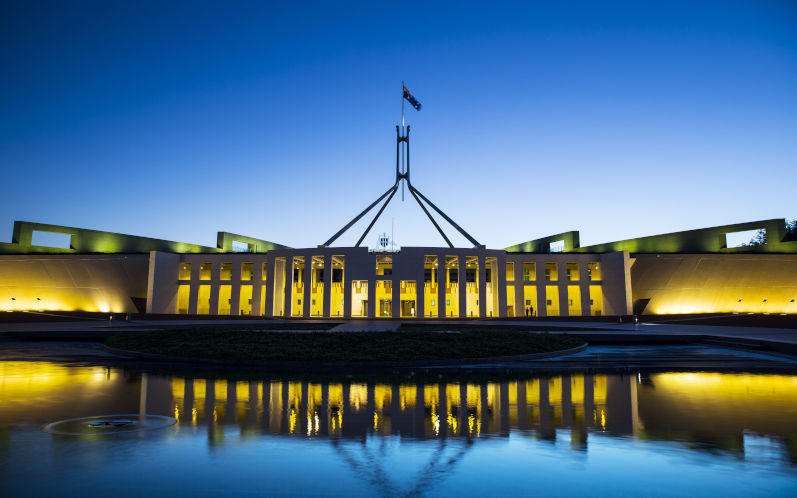
One Nation, science and democracy – the trust deficit in Australia
The rise of anti-establishment politics reflects a deeper loss of confidence in Australia’s economic model, making investment in science, research and innovation central to rebuilding productivity, opportunity and trust. (more…)
-

Australia still needs a real national housing strategy
Labor’s capital gains tax and negative gearing reforms are a major step forward, but Australia still lacks the long-term national housing strategy needed to address social housing, rental security, energy efficiency and supply failures. (more…)