
Parkinson’s disease is the fastest growing neurological condition in the world, and still without a cure. (more…)
Category: Politics
-

‘We got played’: borrowed security and the Gulf’s reckoning
Gulf states are discovering the limits of US security guarantees and the costs of neglecting their regional relationships. Australia still has time to avoid that mistake. (more…)
-

Migration is falling, but the politics keeps getting hotter
Net overseas migration is falling, but public concern is rising. Once migration is framed as a crisis, lower numbers alone will not defeat the politics built on fear. (more…)
-
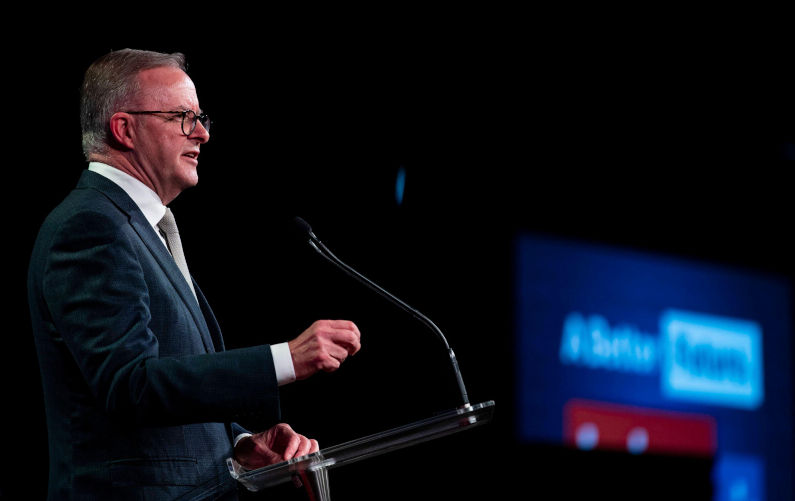
Labor’s conference must be about democratic renewal
In the second of a two-part series ahead of the ALP National Conference, John Menadue argues Labor must apply its values to the great issues before Australia – sovereignty, human rights, democratic renewal, tax and the role of government.
(more…) -

Beyond taking sides
What a letter from Accra can teach Australia about prejudice and why our convictions must be accompanied by curiosity. (more…)
-
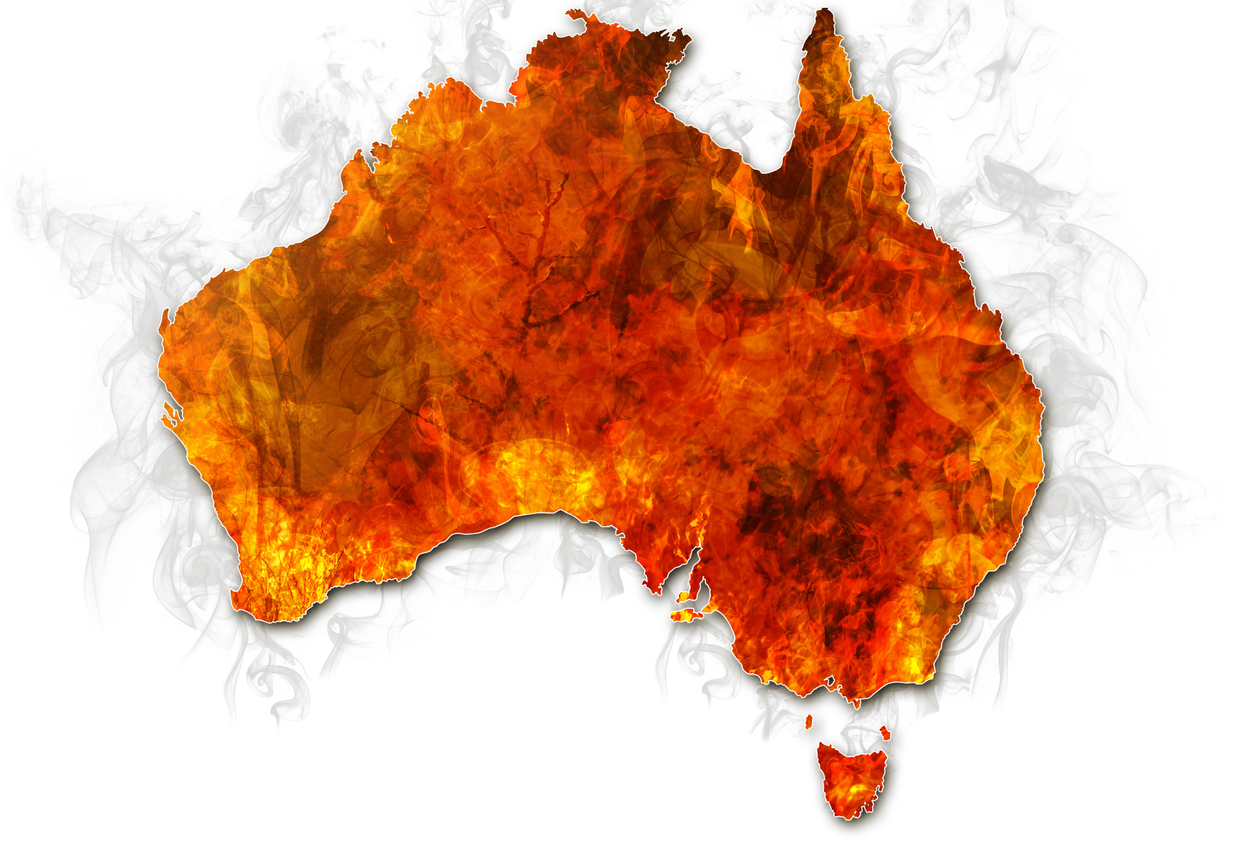
Environment: El Niño spells trouble for Aussies this spring
A new El Niño will likely bring heatwaves, droughts and health problems to southern Australia. In the UK, it’s already too hot for a warm beer. Wealthy nations are making very slow progress on emissions reductions. (more…)
-

Who among us wasn’t once a newcomer?
Every Australian family was once the newcomer; some arrived generations ago, others arrived last week. Yet, every generation seems to forget that fact just in time to fear the next one. (more…)
-

Labor must remember what it stands for
In the first of a two-part series, John Menadue argues the upcoming ALP National Conference must do more than produce careful resolutions – it must confront Labor’s loss of values, membership and purpose. (more…)
-
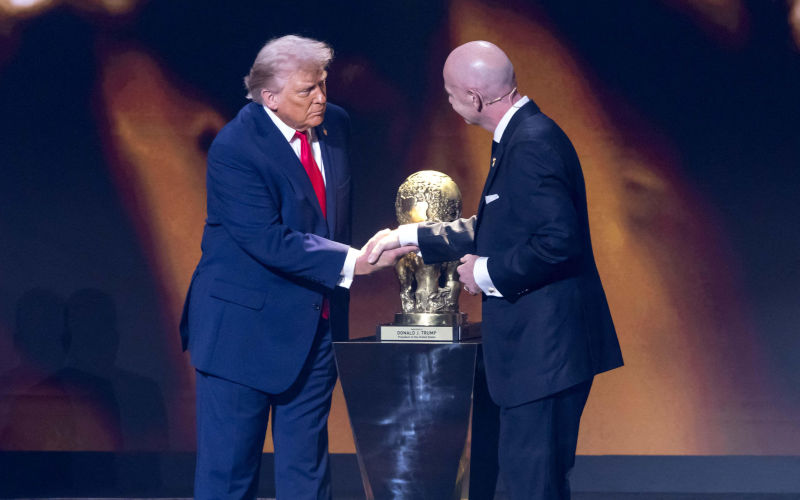
The World Cup asks what we mean by “we” – Message from the (acting) Editor
The World Cup is compromised, commercialised and often grotesque – but it can still show us something true about belonging, about multicultural Australia and the complexity of loving something, while refusing to look away from its failures. (more…)
-
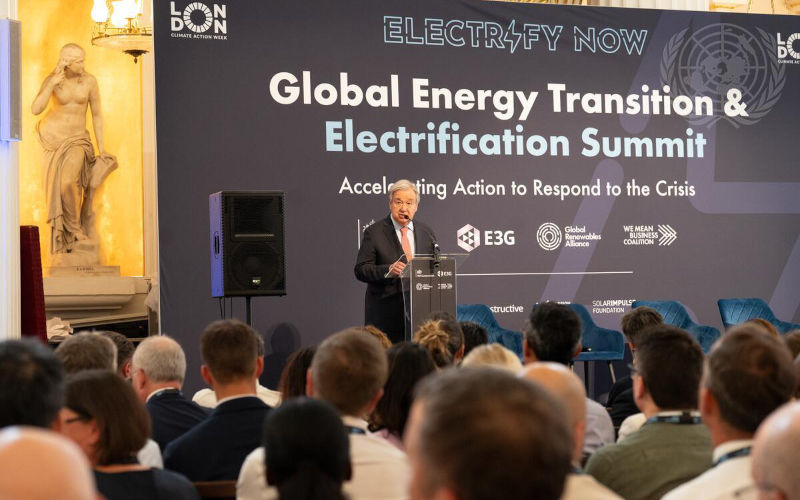
The madness of King Oil
Most governments remain hooked on oil instead of making the vital changes humans and the planet need for global energy transformation. (more…)
-

The United States cannot celebrate its birth by ignoring its foundations
As the United States marks 250 years since the Declaration of Independence, its founding ideals remain undermined by the two histories it has never fully confronted: genocide and slavery. (more…)
-

Monetising grievance: in Australia it’s harder than you think
Right-wing podcasting in Australia is akin to a craft beer with a niche following. It is not a mass market. (more…)
-
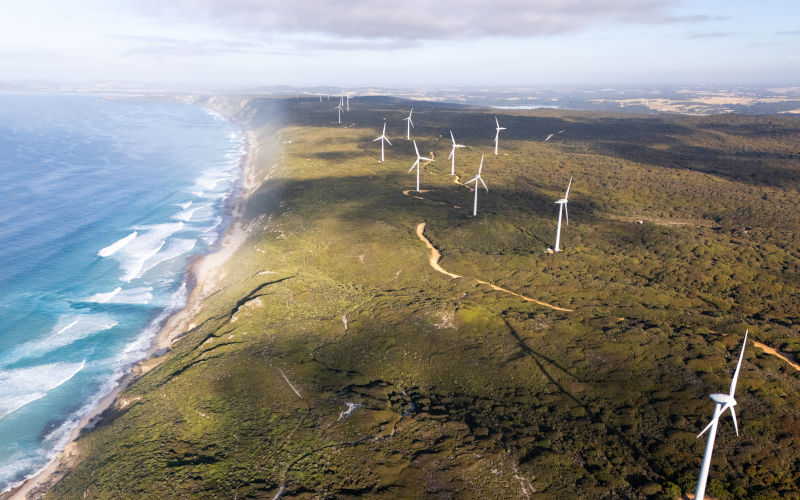
We’re running late on climate, but not out of time
Overshooting the 1.5 degrees target for limiting global warming is not good news but there is progress on renewable energy and electrification. (more…)
-
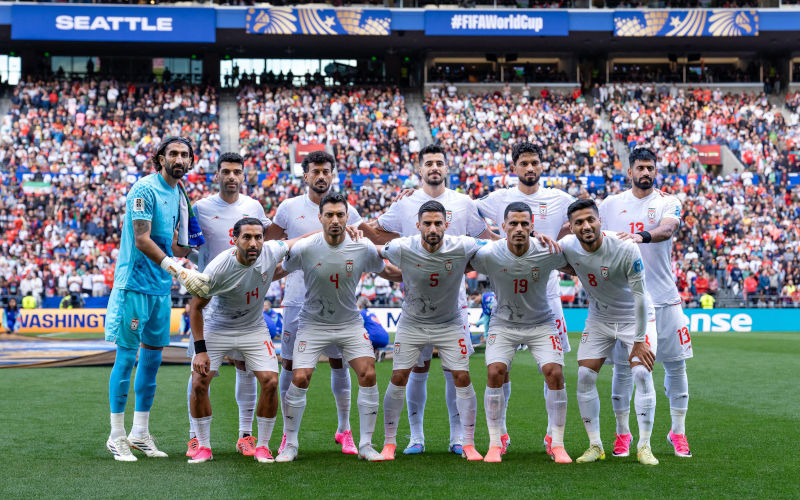
The World Cup press conference is an ideological checkpoint
Footballers from the Global South are having to face questions about their countries’ politics – questions European and US players don’t get.
-

Does stopping native forest logging in Australia really kill orangutans?
The trope that ending native forest logging in Australia would be ‘a very bad day for orangutans’ does not stack up. (more…)
-

Why teachers sometimes disagree with the evidence
There is a gap between research and the schoolroom. It can be bridged by creating a reciprocal relationship between knowledge and practice. (more…)
-

America’s political action committees are breaking spending records
Surging corporate spending in 2026 elections is a threat to democracy warns a US consumer advocacy organisation. (more…)
-

The bamboo ceiling: Australia’s business failure in Asia
Australia’s parochial company boards are failing to equip themselves for Asia. This is a major barrier to developing our potential in the region and improving productivity. (more…)
-

What is a monoculture?
The idea of a monoculture is repressive. What Australia needs is the opposite – a revived cosmopolitan version of multiculturism. (more…)
-
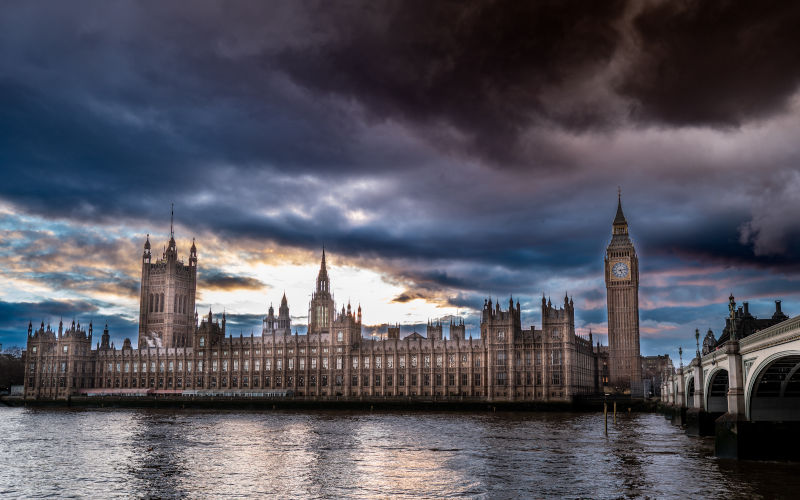
Welfare not warfare: advice for the UK’s new PM
The next UK Prime Minister should end Britain’s complicity in the genocide in Gaza and concentrate on the welfare of its citizens. (more…)
-

Our housing system must accommodate the middle
The current housing crisis is yet to focus properly on those who do not qualify for social housing but cannot compete in the private market. (more…)
-

The entire US non-profit sector is under attack
The US non-profit sector is reeling from the double whammy of increased calls on its services and severe cuts in its federal funding.
(more…) -

Australia must have an ambitious research policy to underpin economic transformation
In a speech marking the 20th anniversary of the National Collaborative Research Infrastructure Strategy (NCRIS), Kim Carr warns that Australia cannot build future prosperity on population growth, property and resource extraction alone – it must invest seriously in the scientific capability that drives innovation. (more…)
-

Health regulator should reverse decision on IHRA definition of antisemitism
It is unclear why the Australian Health Practitioner Regulation Agency has chosen now to adopt the IHRA Working Definition of Antisemitism as a ‘reference tool’. (more…)
-
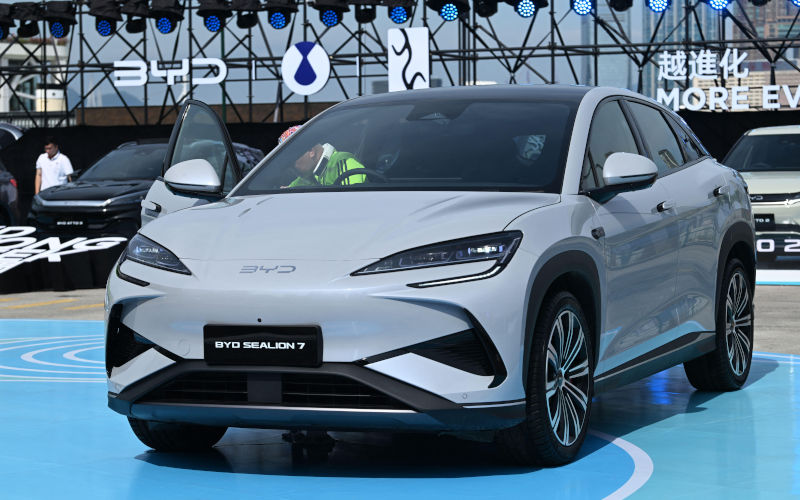
Electric vehicles are not a Chinese conspiracy
Electric vehicles will not save the planet on their own but anti-EV rhetoric conveniently ignores the problems caused by petrol and diesel vehicles. (more…)
-
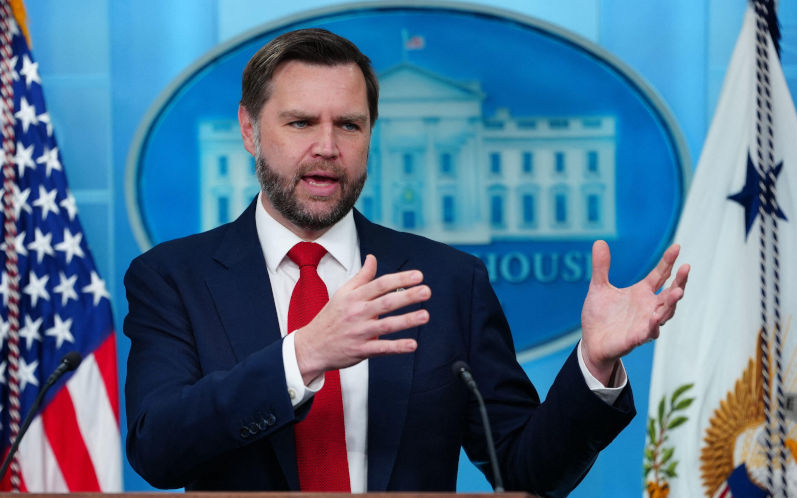
Spoiler alert in the Iran-US peace process
The US-Iran memorandum of understanding has opened a path towards a permanent peace agreement, but spoilers inside and outside the process – including Israel, Donald Trump and Iranian hardliners – could still derail it. (more…)
-

Lessons from Manchester’s revitalisation
The Manchester model, which built skills and infrastructure, focused on the long game and it worked. These are lessons for the UK’s next PM. (more…)
-
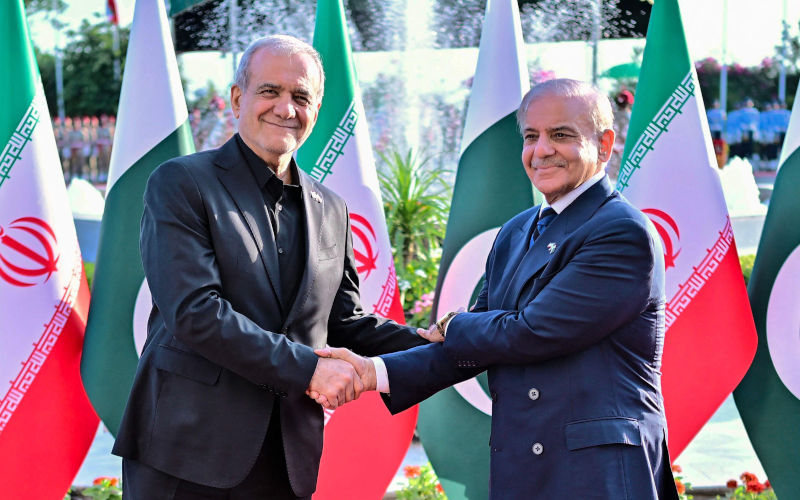
Pakistan PM drops a truth bomb about Iranian missiles
The Western media has failed to report on the Pakistan PM’s unequivocal statement that the US–Iran MOU did not mention ballistic missiles. (more…)
-
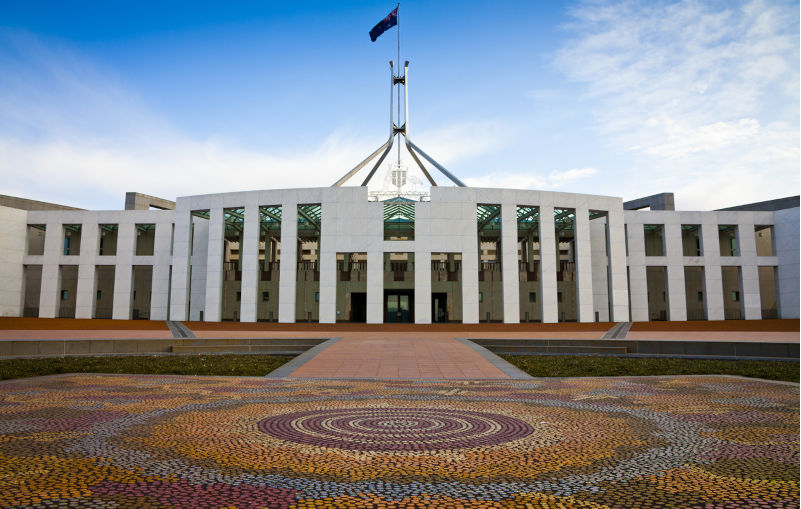
Enough is never enough
The pressing issues in Australian politics are not the lack of shared values but low productivity and greed. This is where reform efforts should be focused. (more…)
-
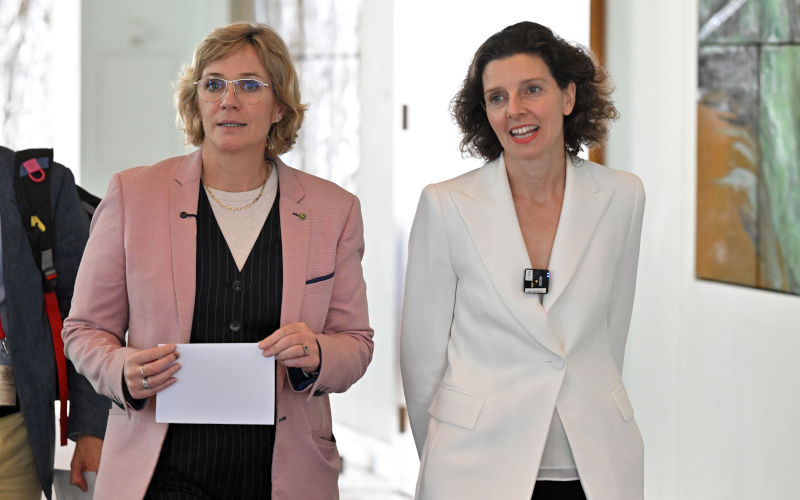
A party of independents is not a contradiction
The launch of Community Strong Australia was a strategic move to position independents so they can offer a positive alternative to the two-party system. (more…)