Oil and gas risks in the Arafura and Timor Seas are being underplayed, small bushland remnants deserve protection, and solar’s rapid growth still has not displaced fossil fuels.
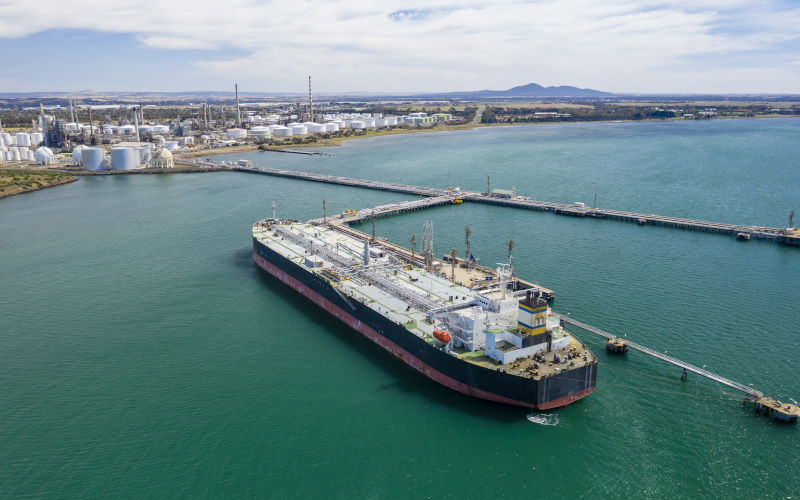
Oil and gas wells threaten Australia’s northern seas
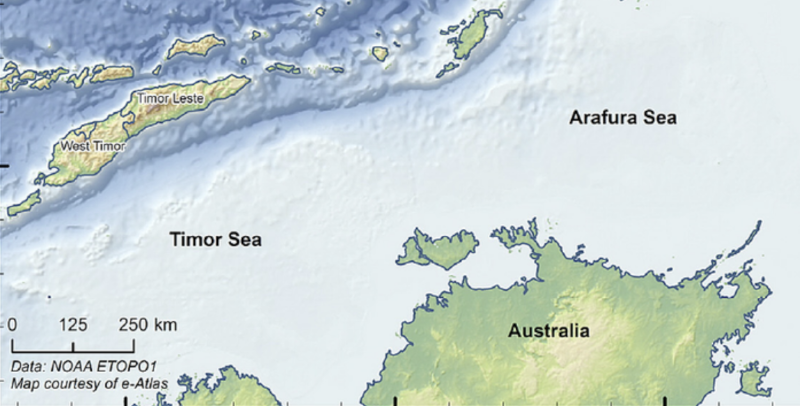
The Arafura and Timor Seas (ATS) off Australia’s north coast form a semi-enclosed marine area bounded by Australia, Indonesia and East Timor (see map below). The seas link the Pacific and Indian Oceans, contain biodiverse marine and coastal ecosystems including several large Australian Marine Parks, support many rare and threatened species and are important migration routes for birds and sea creatures. The waters and coastlines are important for the cultures and livelihoods of many Indigenous communities.
Unfortunately for nature and the coastal communities, the ATS are rich in oil and gas resources and have been the site of offshore exploration and drilling since the 1950s. Within the Australian waters of the ATS, 758 petroleum wells have been drilled since 1967, of which about a quarter have been developed to production. Australia’s past and enduring commitment to produce and export as much fossil fuel as possible for as long as possible has exposed the environment of the ATS to considerable risk and has increased global climate change.
A recent report has used publicly available risk assessment documentation for three extraction projects to examine how rigorously oil and gas companies and Australian governments have identified and assessed the likely risks during the project approval process. The report focuses on the cumulative risks created by extraction projects – the risks that accumulate over time and/or as a result of other developments in the area. The results are not reassuring.
Briefly:
- The assessment reports were challenging for community members to read. There was no standardisation of assessment methods, consultations with stakeholders were limited to Australia (even though there is an international framework for transboundary environmental impact assessments) and the reports were very long and highly technical.
- The government relies on the companies to identify and plan their management of the environmental impacts. There is no external reporting of the impacts and even after decades of drilling our understanding of the total impacts remains unknown.
- The most severe impacts identified were associated with the local problems caused by oil spills (with no consideration of the wider regional impacts), discharges of hazardous compounds and light and noise pollution.
- The risk assessments identified over 100 marine species of conservation significance within the project areas but lacked information on specific risks to specific species. Generally, assessments focused on the nature of the risks themselves rather than the effects on “receptors” – the environments and species that will be affected.
- The assessments often emphasised the (claimed) temporary, low and highly localised nature of the risks and the limited number of individual animals affected.
- Documentation did not adequately consider (or was dismissive of) the cumulative risks occurring over time or as a result of the many other oil and gas projects and other potentially harmful factors (eg, overfishing, plastic pollution, climate change) in the area.
- The greenhouse gas emissions associated with the energy needed for extraction, processing and transport of offshore oil and gas, especially the liquefaction and shipping of gas, methane leaks, gas flaring and ultimate burning of the oil and gas were, when considered at all, under-estimated, underreported and dismissed as irrelevant by the proponents.
The report is primarily about the cumulative risks occurring during production but it’s also noted with concern that Australia has no minimum standards for the plugging and long-term monitoring of permanently abandoned offshore oil wells. Really, how irresponsible can the industry and governments be?
The report concludes that it is “likely that there are significant cumulative impacts of oil and gas activities in the ATS which are not accounted for in project documents and therefore not taken into account by government regulations”. The development of more leases in the region will only make this worse. The authors recommend that no new exploration or production leases be issued and existing leases be cancelled. If, however, more leases are considered, there should be a requirement for impact assessments to be conducted not only in Australia but also in neighbouring countries.
Environmental Impact Assessments are also inadequate in NSW
Lest anyone think that poor assessment of proposed fossil fuel projects is a problem only for northern Australia, the NSW government is “basing its economic assessment of coal mines on outdated guidelines that almost entirely overlook the cost of emissions”. The applications submitted by coal miners account for between 0.11 and 0.33 per cent of the greenhouse gas emissions created in NSW (don’t even think about the Scope 3 emissions released when the coal is burnt) and they use a cost of carbon materially lower than the NSW Treasury values.
These two reports emphasise yet again the cosy relationship between the fossil fuel industry and governments across Australia. The short-term, vested interests of both parties ensure that as dense a veil as possible is drawn over the possible risks arising from extraction projects. Opacity made even easier to maintain when the risks involve the Arafura and Timor Seas which, I suspect, many Australians know and care little about.
Small is beautiful for remnant bushland too
There’s a theory in biodiversity conservation, supported by some experimental evidence, that larger and better connected patches of nature will support more species and experience lower extinction rates than small, disconnected patches, all things being equal. The corollary of this is that loss and fragmentation of habitat in a region will drive a decline in the abundance and diversity of species. Fragmentation also results in an increase in the length of exposed edges of habitat which increases the risk of invasion by non-native species and disease-causing microorganisms and insects.
An unfortunate consequence of the bigger is better approach is that it’s a short step to believing that small remnants of original vegetation are all but worthless and that wildlife corridors must be built to improve their value for biodiversity conservation.
But experiments are not the real world and all other things seldom are equal. Evidence is now emerging that even small, isolated patches of habitat have immense value. A study comparing the abundance of 91 plant species (68 native and 23 non-native) across 60 patches of Critically Endangered Cumberland Plain Woodland in the Sydney Basin has added to this. In 2000, the very fragmented remaining Woodland added up to only 9 per cent of what existed before 1788 and by 2020 this had decreased to 6 per cent.
Between 2000 and 2020 across the 60 plots, 12 species (11 native and 1 non-native) had decreased in abundance, 17 (9 native and 8 non-native) had increased, and there had been no change in 62 species. There was no evidence that patch size or connectivity had influenced the change in either native or non-native species.
The authors concluded that there was no evidence that small (often under 1 hectare) or isolated patches of Woodland were less valuable for retention of their native flora than larger and more connected patches. Small patches can make unique and important contributions to conserving biodiversity that larger, more connected patches cannot, possibly because they contain unique features of the habitat or because their management style preserves species that have been lost in larger patches.
These findings have tremendous significance for encouraging owners of small stands of native bush to continue protecting their precious plot, and provide evidence that community groups can use to oppose the loss of local bush to avaricious developers and uncaring councils.
Solar is growing rapidly but still a minor player
The figure below showing the global deployment of solar power since 2011 contains the sort of data that climate change optimists like you to see. Solar power isn’t just being installed at a great rate, the rate is getting faster. It took 11 years to build the first terawatt and around 18 months to build the third. China, having installed half of the three, is leading the way, with the rest of the world, rich and poor, lagging well behind. The next decade is predicted to see the total exceed nine terawatts (although history suggests that we are not good at prophecies).

The next figure, which displays the sources of global primary energy consumption in terawatt-hours (TWh) since 2000, puts the commendably rapid solar roll out into perspective.
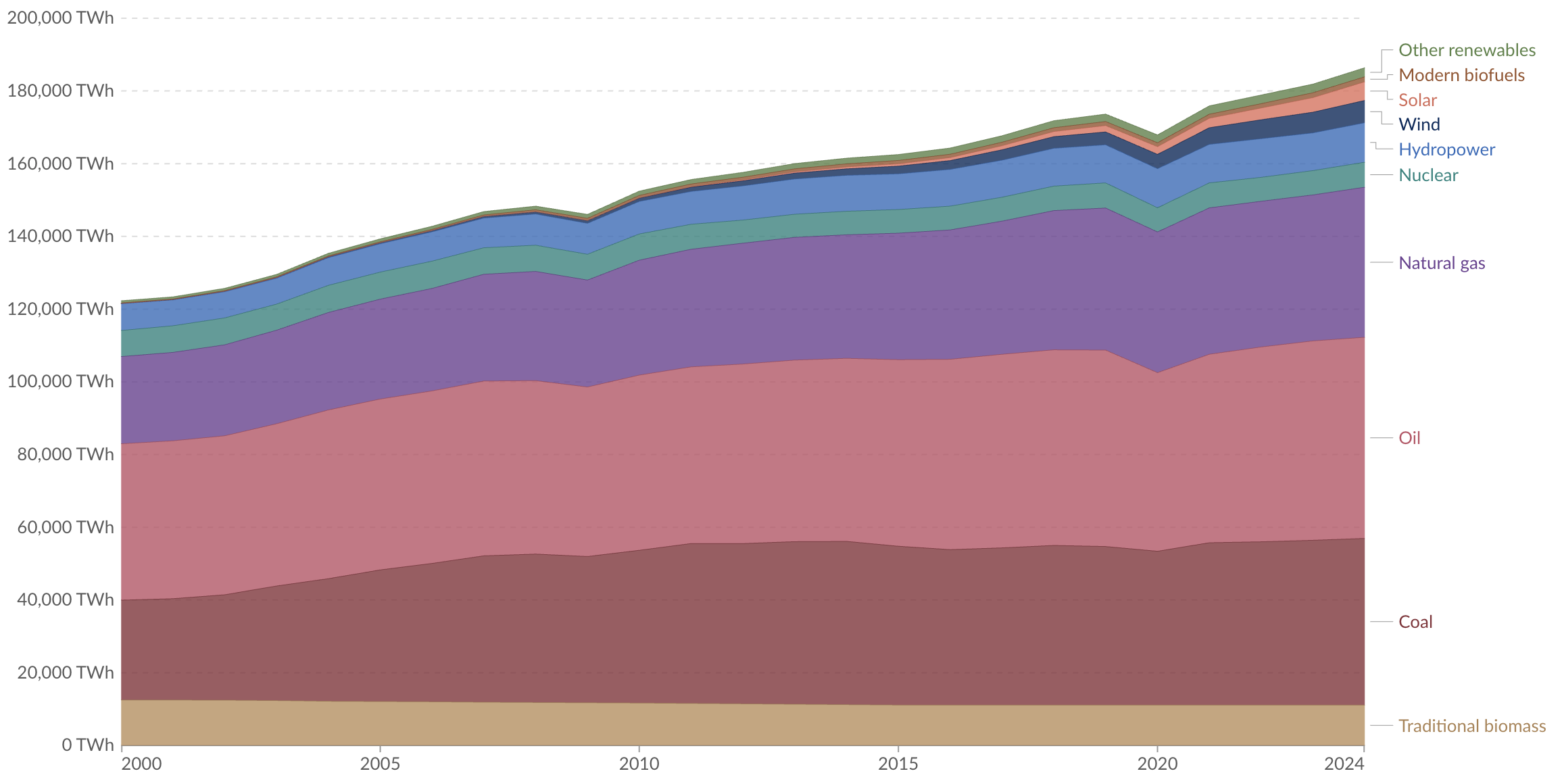
Look closely and you can see solar’s contribution in the narrow coral-coloured band near the top. In 2024, it amounted to 2.8 per cent of the total. Add in wind and we get to 6.1 per cent. At the same time, coal, oil and gas contributed 76.4 per cent of the total, 1.5 per cent more than the previous year. Renewables are simply adding to fossils, not replacing them.
I can’t say it often enough: it doesn’t matter how much renewable energy the world installs, climate change will keep getting worse until we reduce and eliminate fossil fuel use. There’s very little prospect of that happening globally in the foreseeable future, not least because Australia has no plans to stop exporting vast amounts of coal and gas.
Tasmania’s teeming wildlife
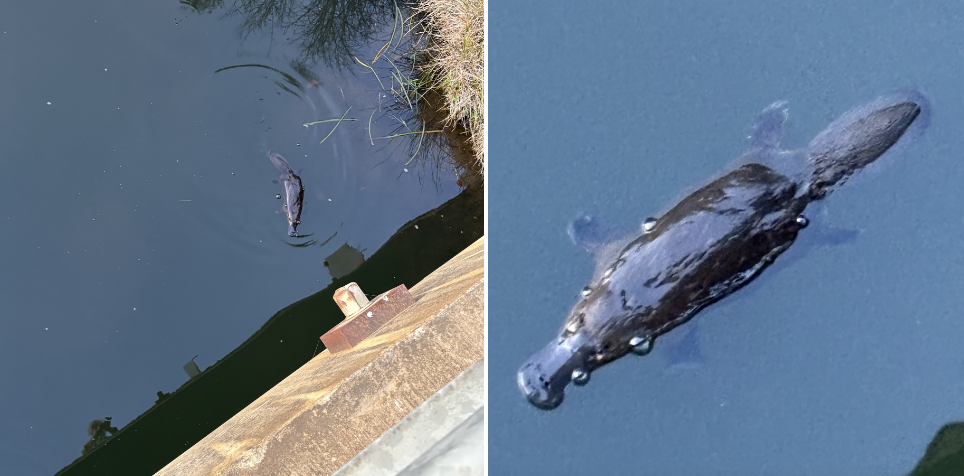
I spent a week in Tasmania recently and was lucky enough to see almost 60 bird species, including seven of the twelve that are unique to the state. On Bruny Island, potoroos and pademelons were plentiful, especially at night. The highlight though was when a platypus leisurely swam around a bridge my wife and I were standing on.

Peter Sainsbury is a retired public health worker with a long interest in social policy, particularly social justice, and now focusing on climate change and environmental sustainability. He is extremely pessimistic about the world avoiding catastrophic global warming.