
A major new Lancet commission identifies nuclear war and malicious AI among threats capable of causing human extinction this century, with climate breakdown posing an escalating longer-term danger. (more…)
Category: Climate
-

Climate resilience is missing a critical piece: care
Climate adaptation plans routinely overlook childcare, aged care and other essential services, leaving families and unpaid carers to absorb the human and economic costs when climate disasters strike. (more…)
-

Climate finance must transfer power, not just money
Climate finance will not deliver justice if communities receive project funding but remain excluded from decisions, governance and the long-term institutional support needed to sustain change.
-

Environment: Humanity continues to foul its fragile nest
Seven of the nine planetary boundaries have now been crossed as human pressure on the Earth accelerates, yet Australia continues to expand fossil fuel extraction while presenting itself as a climate leader.
-

Australia’s climate policy – a crime against humanity
Australia cannot credibly claim climate leadership while expanding coal and gas exports that accelerate global heating, deepen Pacific vulnerability and lock in further human suffering. (more…)
-

South Australia’s green gold rush gathers pace
New wind farms and big batteries are pushing South Australia closer to 100 per cent net renewables, while supplying major industry and driving billions of dollars in new investment. (more…)
-

Climate change has devastated one of the world’s great penguin colonies
The chinstrap penguin population on remote Zavodovski Island has fallen by 63 per cent in just 15 years, as warming seas push their krill food supply further south. (more…)
-
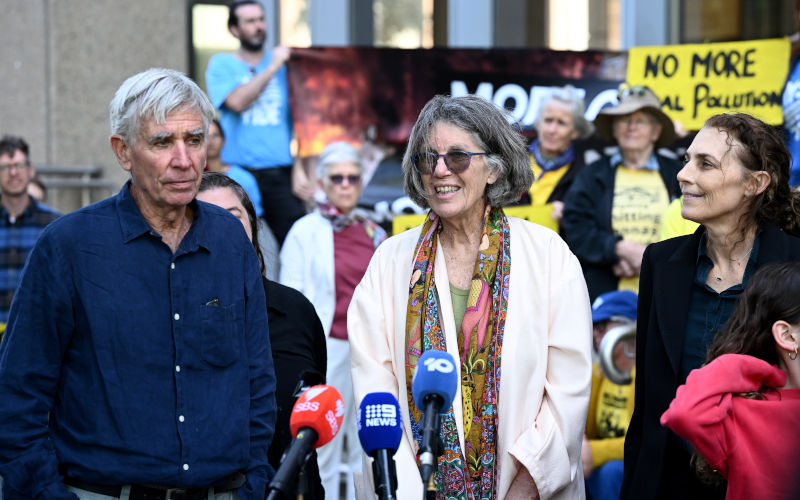
Landmark High Court ruling puts coal mine extensions on notice
A landmark High Court ruling has overturned approval of the Mt Pleasant coal mine extension, requiring NSW planning authorities to properly consider the local climate impacts of emissions from coal burned overseas.
-
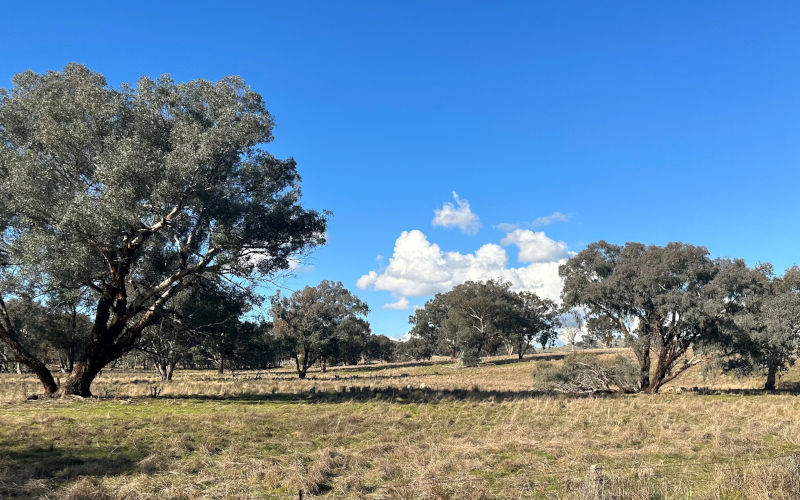
Australia’s ‘useless’ paddock trees are anything but
Large old paddock trees provide shade, shelter, habitat and cultural value across rural Australia. Yet they are disappearing faster than new generations are being established. (more…)
-
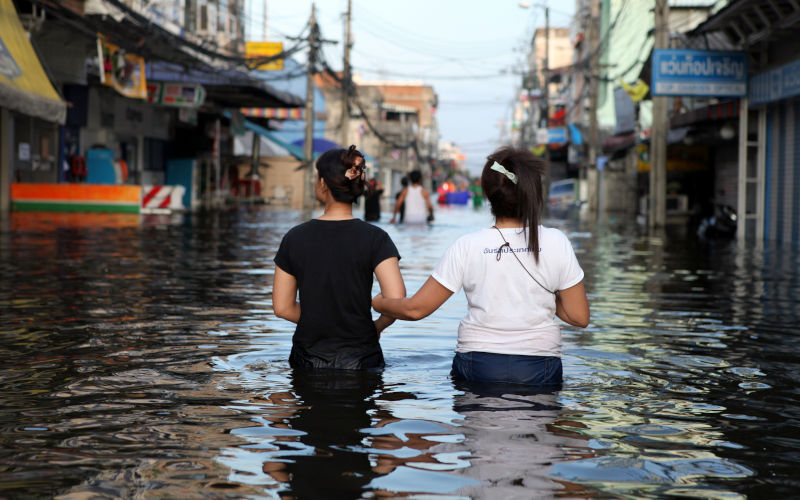
Bangkok’s floods show what happens when a warming climate meets a sinking city
Bangkok’s latest deadly floods were driven by an extraordinary downpour, but the city’s sinking land, rapid urbanisation and rising seas are making extreme rainfall increasingly difficult to absorb and drain. (more…)
-

They’ll inherit the climate crisis. Shouldn’t 16- and 17-year-olds have a vote?
Young Australians will live with the consequences of today’s climate decisions for decades. Lowering the voting age to 16 would give more of them a say in the policies shaping their future. (more…)
-

When crises reshape nations: what history tells us about Australia’s energy vulnerability
In 1942, crisis forced Australia to rethink a dangerous strategic dependence. Today, reliance on imported fuel creates another vulnerability. Electrification offers a path to greater economic and national security. (more…)
-

Plantations are the future of timber. Biodiversity cannot be an afterthought
As plantations supply more of Australia’s timber, how they are established and harvested will increasingly shape biodiversity. Good management can make a substantial difference.
-
Governments know how dangerous climate collapse is. Why aren’t they telling us?
British intelligence warns that climate and ecosystem collapse could drive conflict, migration, famine and economic instability. Yet governments continue to conceal the full scale of the threat. (more…)
-

‘Too much wind and solar’? Ten years on, South Australia tells a different story
Ten years after South Australia’s statewide blackout became a political weapon against renewables, the state now gets more than three-quarters of its electricity from renewable sources. The technology has raced ahead, even if the politics has barely moved. (more…)
-
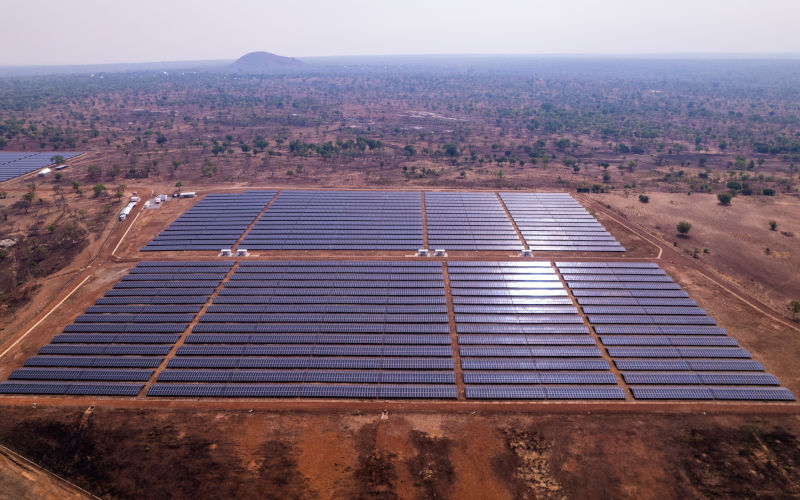
Environment: Wind and solar are increasing but so are fossil fuels
Solar panel imports are surging across Africa, but the global shift away from fossil fuels remains too slow. Meanwhile, Australian environmental groups unite behind ten principles to protect native forests, and a tiny wallaby makes a rare appearance. (more…)
-
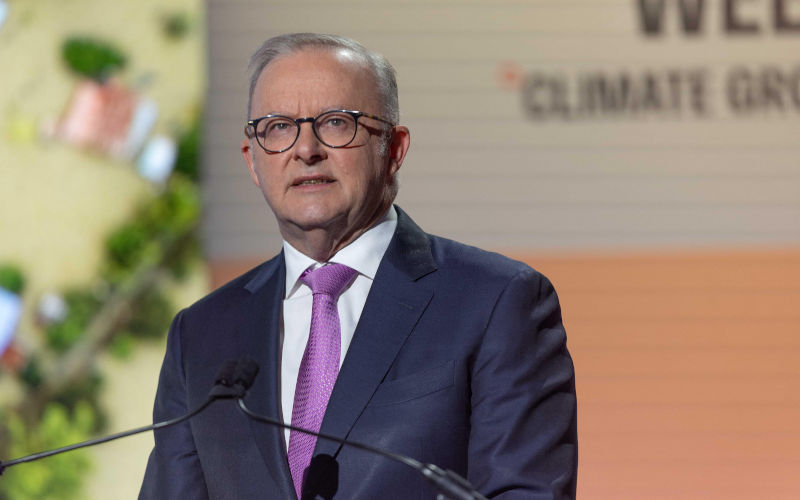
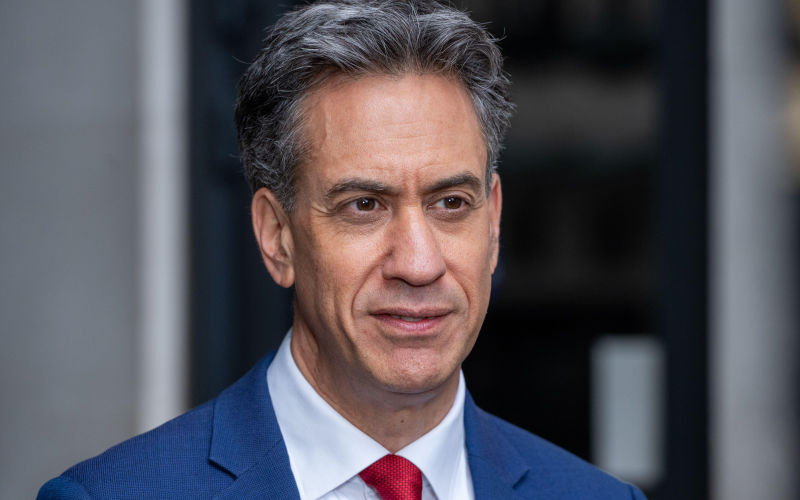
Albanese vs Miliband at Climate Week: it was no contest
Two leaders shared a Climate Week stage, but their speeches revealed contrasting approaches to climate leadership. Albanese spoke about Australia’s climate efforts; Miliband set out how governments must prepare for climate threats. The question is where Australia’s plan is.
(more…) -
Coalition panned after vowing to scrap renewable, EV and climate policies
The Coalition has unveiled plans to scrap Australia’s legislated climate targets, industrial emissions rules and vehicle efficiency standards, while reopening the door to nuclear power. It promises cheaper, more reliable energy – but has yet to show how its proposed changes would deliver lower bills. (more…)
-
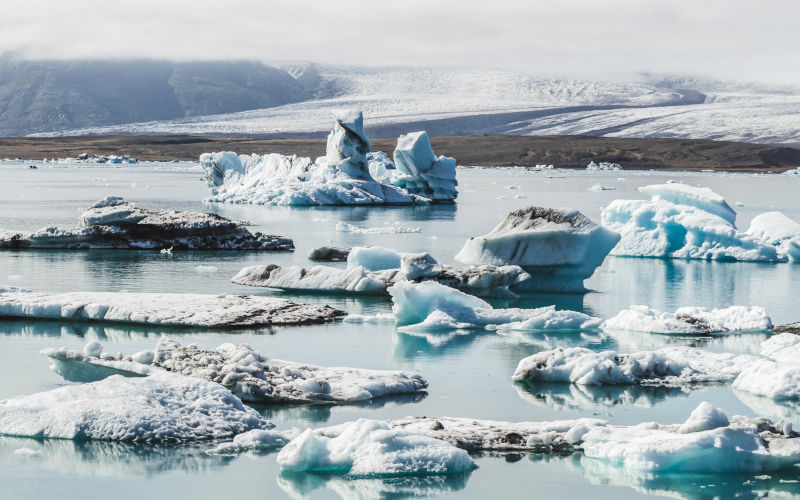
We’re heading past 1.5°C. Now we need a plan for what comes next
As the world heads towards overshooting 1.5°C, reaching net zero remains essential but will not be enough to bring temperatures back down. Governments must accelerate emissions cuts while investing in adaptation, carbon removal and research into the risks of geoengineering. (more…)
-

Trading urban green space for concrete is a bad bargain
As cities grow and land becomes scarcer, mature parks and urban forests are increasingly under pressure from development. But their cooling, ecological and public health benefits cannot simply be replaced later. (more…)
-

Climate change versus logging? That misses the point
Climate change and logging are not competing threats to native forests. Their effects compound one another, increasing emissions, fire risk and pressure on biodiversity. (more…)
-

Advocates want plug-in solar legal in Australia within 10 months
Energy ministers have agreed to develop a pathway for plug-in solar and batteries, technology that could extend the benefits of household renewables to people locked out of rooftop systems. (more…)
-
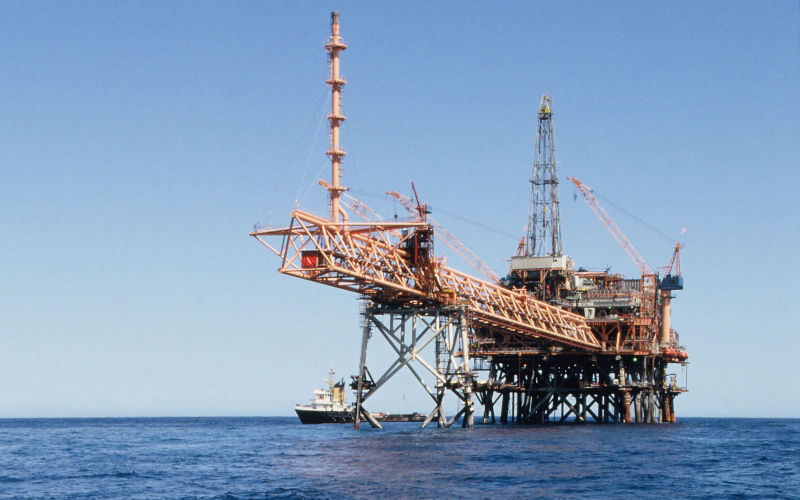
Australia must double down to meet climate targets
New modelling shows Australia can still help limit climate overshoot, but only with much steeper emissions cuts, faster electrification and a genuine fossil fuel phase-out. (more…)
-
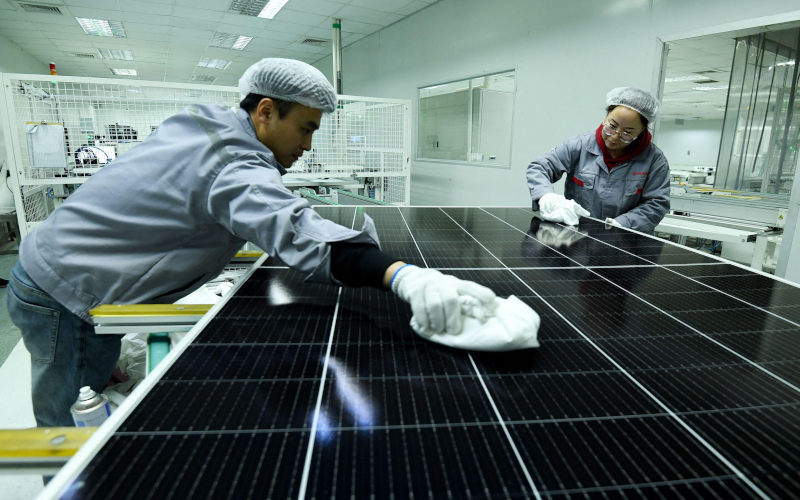
China’s clean-tech glut poses risks. But Australia can turn it to its advantage
Australia can use low-cost Chinese clean-energy technology to accelerate decarbonisation, strengthen energy security and build domestic industry without pursuing costly self-sufficiency. (more…)
-

Population growth, environment and Australia’s economy
Australia’s population debate cannot be separated from environmental decline, inequality and economic wellbeing. With continued growth adding pressure, zero population growth deserves a serious place in the national conversation. (more…)
-
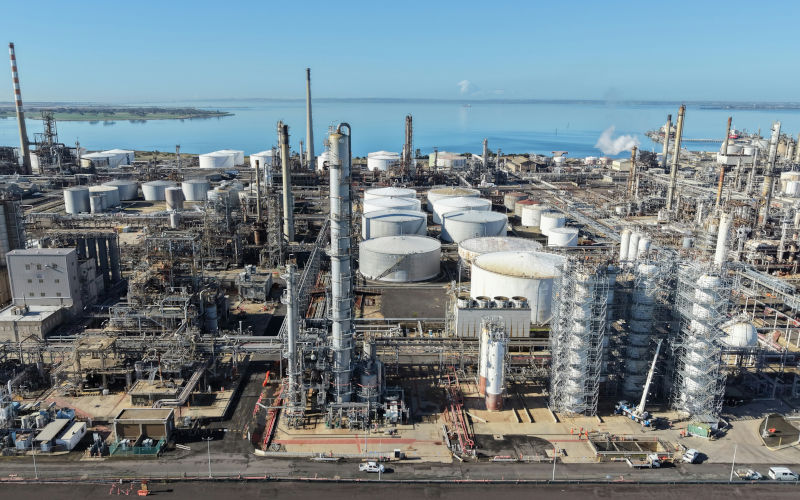
Environment: Fossil fuels, children and a changing climate
Fossil fuel companies gain access to children through education sponsorships, Barclays eyes opportunities from El Niño, while climate change brings increasingly destructive consequences to communities from the Himalayas to islands. (more…)
-

Nitrogen pollution is poisoning the planet – and barely anyone is talking about it
Human activity is releasing far more reactive nitrogen than the Earth can safely absorb, damaging climate, biodiversity, human health, soils and oceans. (more…)
-

The world is not prepared for the scale of future migration
Climate disruption, conflict, resource scarcity and political instability are driving rising migration, with much larger movements of people likely in coming decades. (more…)
-
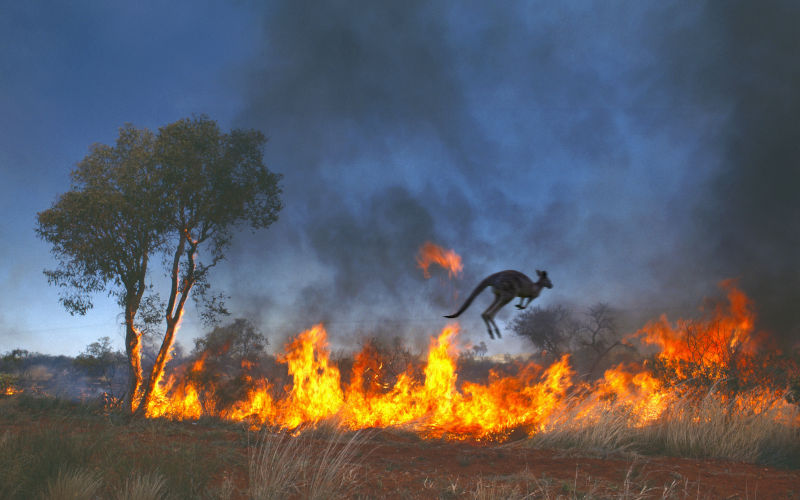
It’s too late for 1.5°C. That doesn’t mean we give up
The UN now accepts that global warming is going to exceed 1.5°C but it’s unlikely that this will change anything governments or corporations do. It’s now too late to avoid catastrophic global warming. The task now is to limit further damage and prepare honestly for what follows. (more…)
-

Nepal’s catastrophe demands more than climate silence
As climate-fuelled disasters intensify, political leaders should stop treating discussion of their causes as untimely and confront the consequences of continued inaction.