Across this week’s pieces on P&I, the same question keeps appearing: who or what restrains power when the powerful decide restraint is optional?
I’ve still got a week left in the Editor’s hotseat. And, ssshh, don’t tell Catriona, but I’m actually quite enjoying it.
Not the long hours, endless rolling deadlines, or the weight I feel for making sure P&I keeps doing what readers expect of it: publishing serious analysis on issues that matter. Not that.
But I am enjoying the chance to see the big picture of the website – the deep knowledge of our contributors, the things they care fiercely about, the passion and humour of the letters section, and the patterns that emerge across each week’s writing.
The pattern this week, to me at least, has been restraint.
Restraint doesn’t always sound like a wildly exciting thing. It can mean holding back from saying what’s really on your mind, or stopping yourself from doing something you might badly want to do. It can sound a bit boring. A bit procedural.
But in public life, restraint often takes the form of the institutions, laws and obligations that stop power becoming its own justification.
It looks like courts, environmental laws, democratic conventions, treaties and historical memory.
All of those things can seem pretty dry – until someone powerful decides they are inconvenient and in their way.
I’m not making an argument for conservatism or for defending a broken status quo. When institutions fail people, or fail the environment, or fail to confront suffering and inequality, they should be challenged and changed.
But some restraints exist because unrestrained power is dangerous.
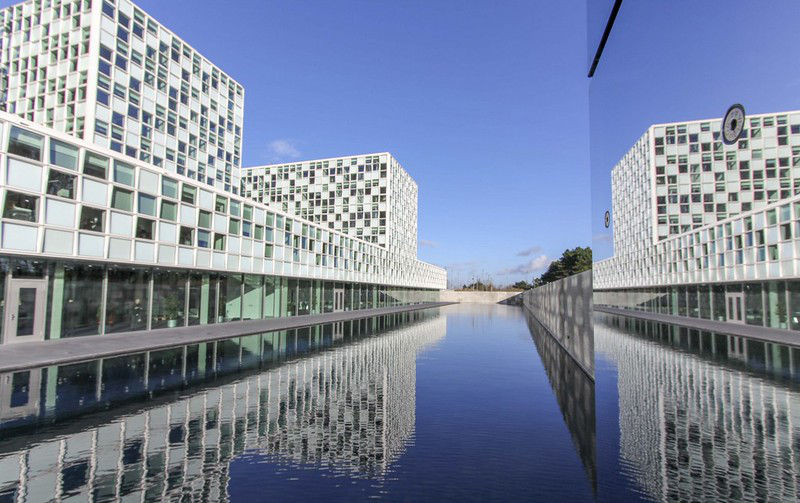
You can see that in Greg Barns’ outstanding piece this week on Marco Rubio’s campaign against the International Criminal Court.
The ICC is not perfect. No institution is. But Rubio’s attack on it is more than bureaucratic hostility. It is an attack on the idea that powerful states and their officials can be held accountable.
That matters for Australia. As Greg writes, this country may again face the test it so often faces: whether it upholds the rules it claims to support or folds (again) when Washington demands obedience.
International law is only meaningful if Australia is prepared to defend it when Washington wants an exemption.
Bernie Sanders’ piece on Sudan asks a similar question from another direction.
The horror there is all too real, but global attention is, to put it mildly, limited. Sanders highlights the role of the United Arab Emirates in enabling the Rapid Support Forces, and calls for that support to be confronted in US foreign policy.
That, too, is a question of restraint: whether wealth, alliance and strategic convenience are allowed to shield atrocity from serious consequence.
Christine Loh’s revealing article on Trump’s cryptocurrency ventures brings the same question inside democratic life.
Trump’s meme coin is not only a (frankly, to those of us who don’t collect such things, slightly bizarre) crypto story. It is about what happens when political loyalty and MAGA superfans can be converted into money, access and market value while a president holds public power – and shows absolutely no restraint.
Komla Tsey’s thoughtful piece on democracy makes the point in another way.
Democracy is not simply majority rule. It depends on restraint. A mature democracy protects people equally before the law, including those the majority dislikes or disapproves of. Without that restraint, democracy can become domination with a vote attached.
The pattern appears elsewhere too, sometimes in different forms.
Quentin Grafton, Richard Kingsford, Sarah Wheeler and John Williams write on the Murray-Darling Basin, where ecological limits are being tested by politics that still wants to take too much water from an iconic and essential system already in decline.
Ronald Keith writes on Pacific Island states and the danger of locking smaller nations into security arrangements built around containing China rather than respecting their freedom to keep options open.
Michael Samaras writes on the brave Australians who fought fascism in Spain, saw the threat earlier than official power was willing to, and were then denied the recognition given to others who later fought the same enemy.
Different subjects, same question: who or what restrains power when power decides restraint is optional?
That is not a tidy question. Restraint in public life doesn’t belong to one country, one side of politics or one institution.
Sometimes the answer is law. Sometimes it is memory. Sometimes it is protest, public pressure, journalism, science or the refusal of people to accept the story power tells about itself.
That is part of what P&I tries to do each day. Not to provide one official line, but to publish arguments that test power against evidence, law, history and public interest.
Restraint might not be wildly exciting, but it is not weakness. It is one of the things that keeps public life from becoming a contest in which the powerful simply do what they want, then dare the rest of us to stop them.
And if restraint in public life can’t stop them? Well, as our writers show every day: dare accepted.

Martyn Pearce is the sub-editor at Pearls and Irritations