
Australia is pouring billions into US and UK submarine industries while both countries struggle to meet their own naval needs. The risk is that AUKUS leaves Australia without the submarines it was promised. (more…)
Category: Defence
-
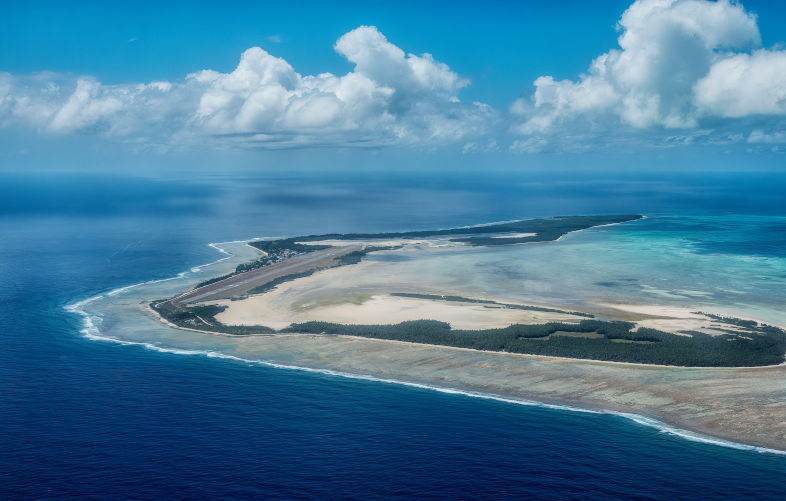
Australian island base’s hidden US military role
Runway extensions, new military infrastructure and US planning are transforming the Cocos Islands into a strategically important forward operating base, with little public debate about the role Australia is assuming in a future conflict with China.
-

The great AUKUS deception: Australia pays to defend America
AUKUS has been sold as a plan to strengthen Australia’s defence. Its deeper purpose is to bind Australia permanently into US military strategy against China and make American security dependent on Australian participation. (more…)
-

Trump-Xi summit exposes Tokyo’s vulnerability
Trump invoked Pearl Harbor with Japan, then celebrated America’s wartime alliance with China days later. The sequence exposes uncomfortable questions about Tokyo’s reliance on Washington, and Australia’s own assumptions about US security guarantees.
-
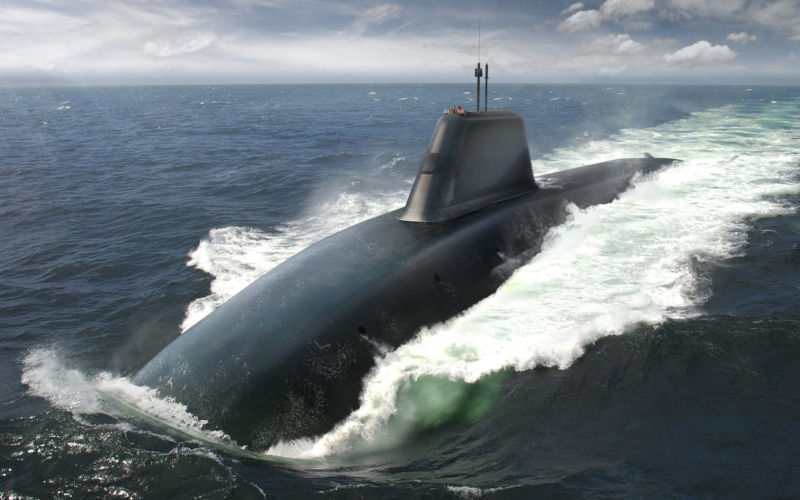
Why Britain cannot deliver SSN-AUKUS on schedule
Britain says SSN-AUKUS remains on track. But its shipyards are already stretched while new reactor and workforce capacity is still being built. Australia is betting heavily on that gap being closed in time. (more…)
-

If we asked the Americans to leave, would they?
Canada is looking for ways to protect its independence from Washington. Australia has embedded itself so deeply in the US military system that it risks being drawn into America’s next war – whether we choose it or not. (more…)
-
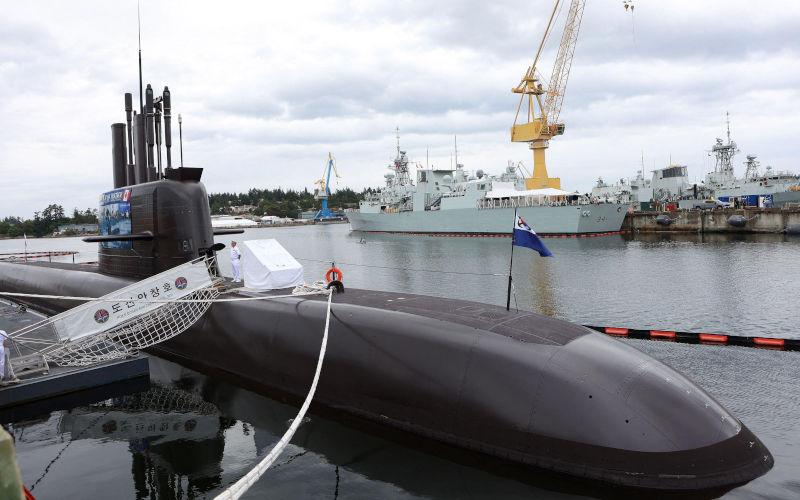
Korean submarines may save us from the AUKUS shambles
Canada’s decision to acquire conventionally powered submarines raises a question for Australia’s AUKUS program. Could South Korea’s KSS-III offer a more affordable and timely alternative to the planned nuclear-powered fleet? (more…)
-
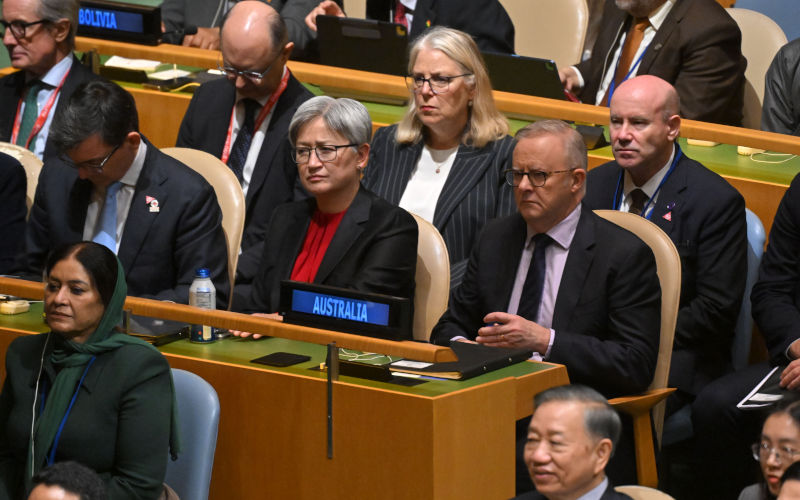
Albanese, AUKUS and the broken promise on nuclear weapons
As Albanese receives an international award for his leadership on security, Australia remains outside the nuclear weapons ban treaty he once championed. Meanwhile, expanding US military access raises new questions about Australia’s exposure to nuclear conflict.
-
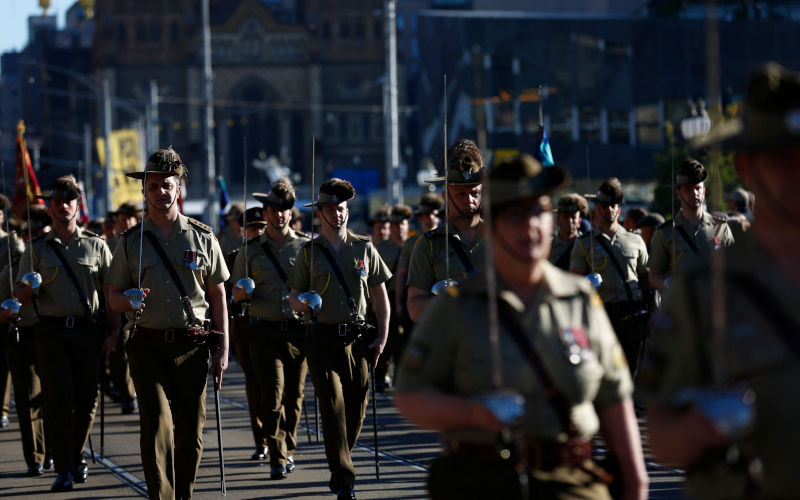
Is Australia’s military still a political sacred cow?
The military’s standing in Australian public life has become more complicated, but recent controversies involving One Nation and veterans’ healthcare show that military service continues to command considerable political respect. (more…)
-
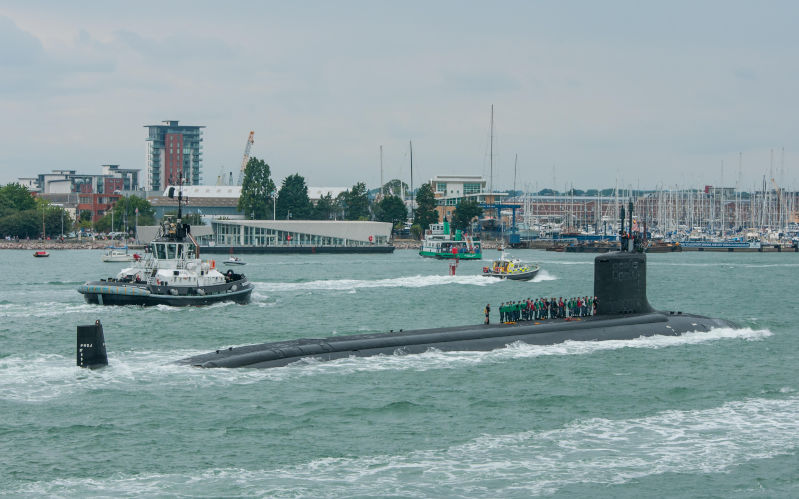
AUKUS assurances collide with the reality of Britain’s submarine fleet
British officials insist AUKUS remains on track, but serious pressures across UK submarine availability, design and reactor production – alongside continuing US shipyard delays – raise questions about the assumptions underpinning Australia’s nuclear submarine plan. (more…)
-

AUKUS makes a US-China war more likely
By giving the United States greater military access to Australia, AUKUS has changed the strategic geography of any future conflict with China – and may have increased both the likelihood of war and Australia’s chances of being drawn into it. (more…)
-

Disturbing admissions from US Republican Congressman
US submarines at HMAS Stirling, B-52 rotations through Tindal and deepening military integration are tying Australia ever more closely to US strategic priorities – including the prospect of war with China over Taiwan, Paul Keating writes.
-
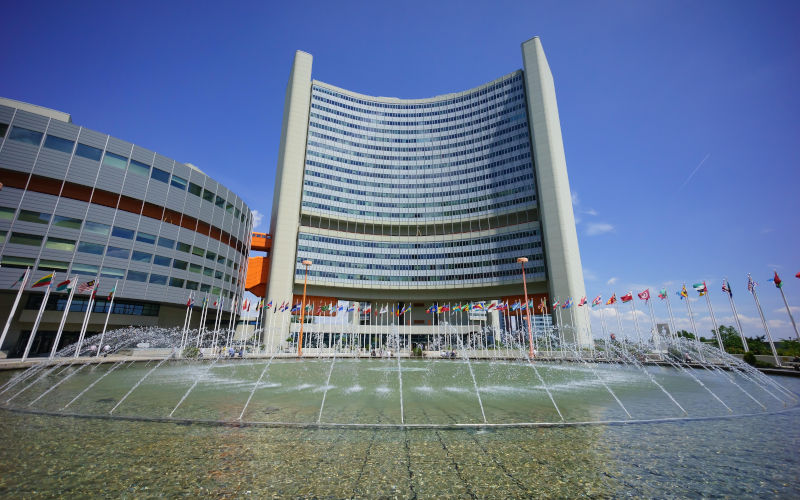
Funding crisis leaves UN nuclear watchdog begging for resources
The International Atomic Energy Agency faces a serious funding crisis as major contributors delay payments, putting nuclear safeguards, safety and security work at risk and exposing deeper problems with how the agency is financed. (more…)
-
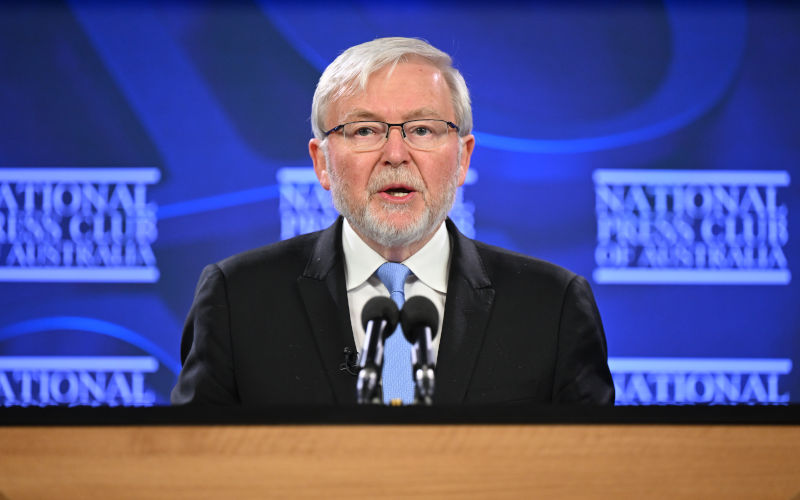
AUKUS, deterrence and the questions Kevin Rudd left unanswered
Kevin Rudd calls for greater Australian self-reliance while defending AUKUS and the US alliance, but key questions about sovereignty, deterrence and China remain unresolved. (more…)
-

Australia needs nuclear submarines – but not AUKUS
Australia needs a larger, self-reliant nuclear-powered submarine force, but AUKUS is too costly, too dependent on the US and too uncertain to deliver it.
-
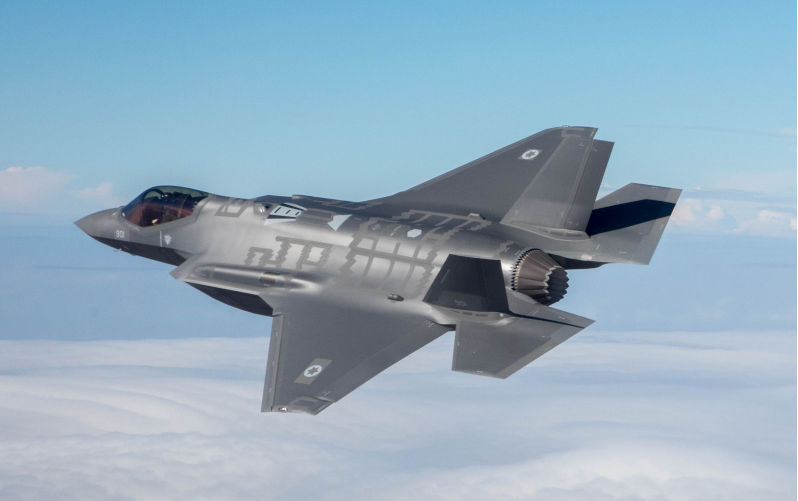
Australia faces international criticism for lack of transparency in military trade
Australia’s military exports are growing, but parliament and the public still lack clear information about what is being exported, where it goes and how it is used.
-
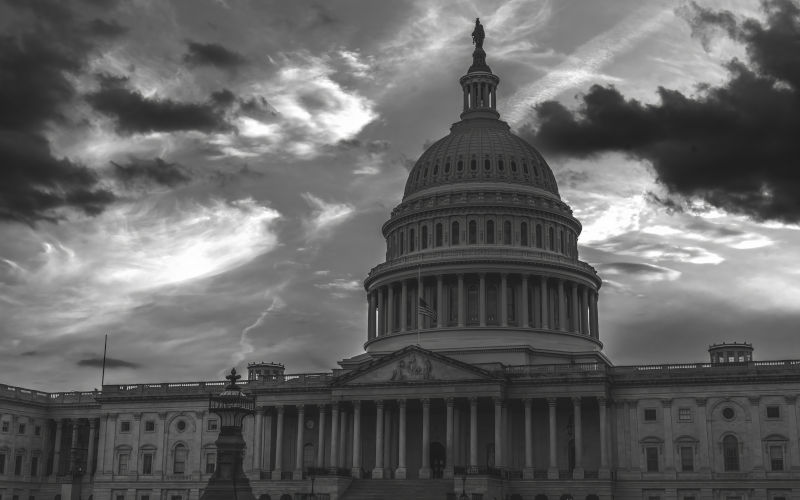
Hard New World: Can Australia survive America’s decline?
Hugh White’s new book warns that declining US power and China’s rise are remaking Asia, while Australia remains dangerously attached to old assumptions about American protection. (more…)
-
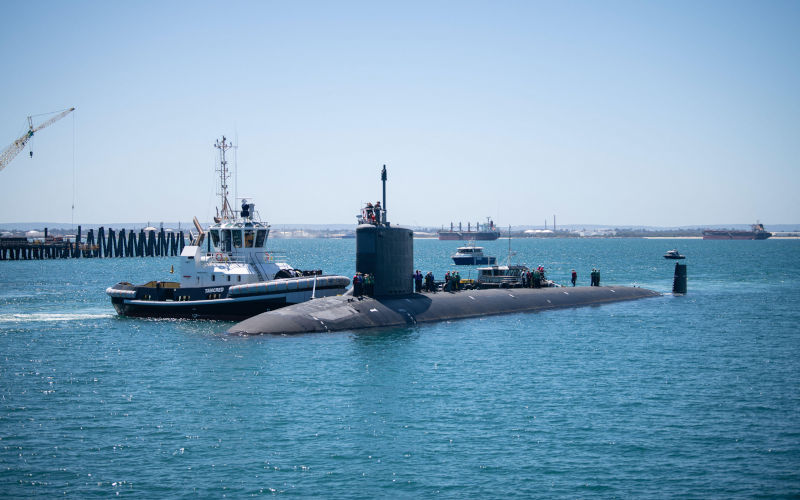
AUKUS is a $368 billion gamble Australia does not need to take
US production shortfalls, Britain’s submarine crisis and Australia’s own infrastructure delays are eroding the assumptions behind AUKUS. It’s time to take a different path. (more…)
-
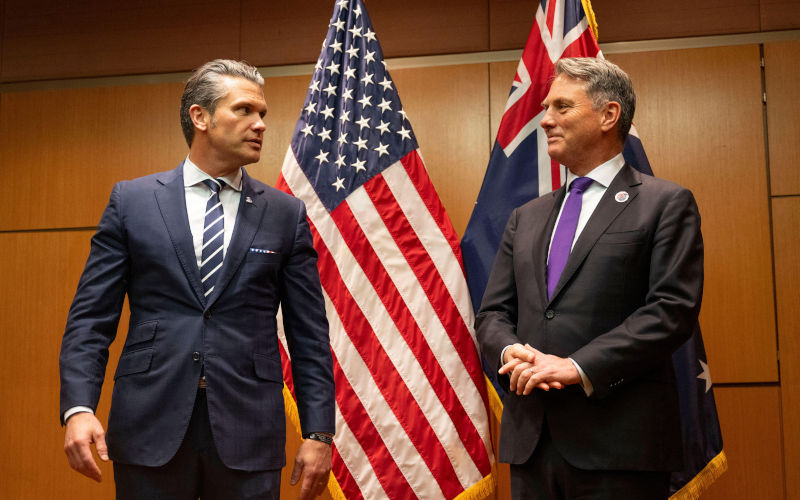
AUKUS and our strategic independence
AUKUS raises fundamental questions about Australia’s sovereignty, military dependence and place in Asia – and whether greater strategic independence could offer a more secure and peaceful path for the nation. (more…)
-

Nolan’s The Odyssey and the moral blindness of power
Christopher Nolan’s *The Odyssey* offers a warning for modern powers: military strength means little when nations abandon restraint, moral responsibility and shared humanity. (more…)
-

America’s failed wars should be a warning for Australia
America’s record of failed wars exposes the limits of military power and raises serious questions about Australia’s continued reliance on the United States. (more…)
-
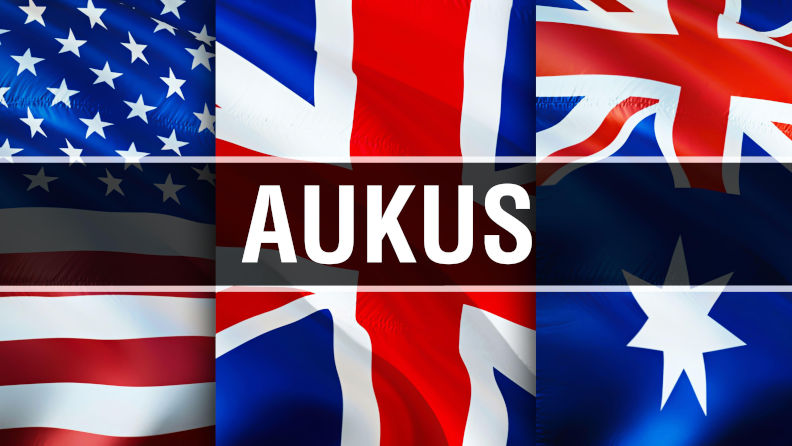
Is AUKUS a good deal for us?
While calls to sink the AUKUS deal continue to mount in Australia, UK allies maintain they are “fully supportive” of the $368 billion defence pact.
-
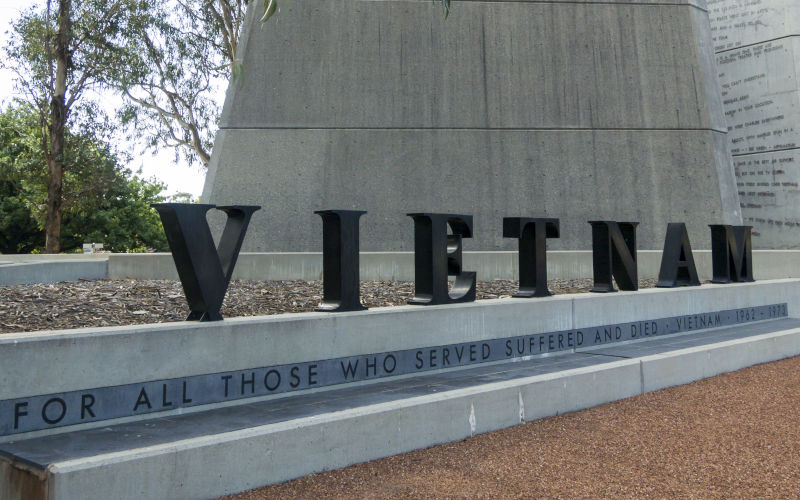
The lessons of Long Tan
Sixty years after the Battle of Long Tan, a simple Canberra commemoration offered a more thoughtful kind of remembrance – one that honours the dead on all sides and questions the mythology of victory. (more…)
-
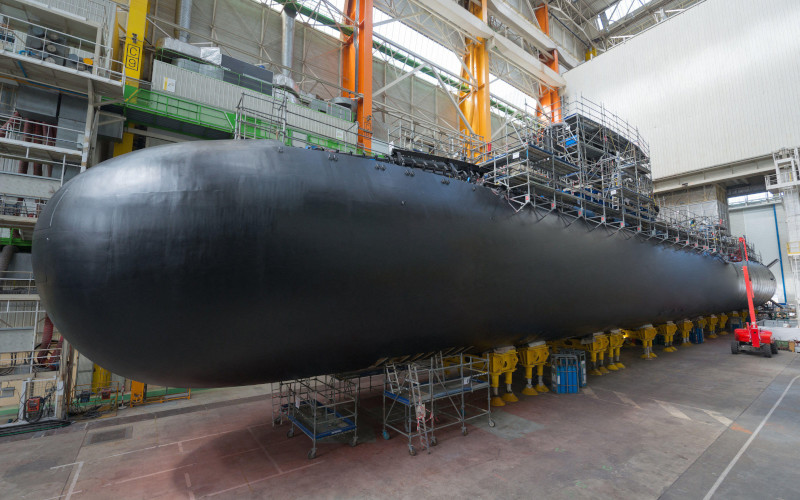
The French lesson: why Australia should take another look at LEU
France’s experience with low-enriched uranium submarines challenges claims that Australia would have to send vessels overseas for reactor support, while offering lessons in fleet availability, sovereign maintenance and crewing. (more…)
-
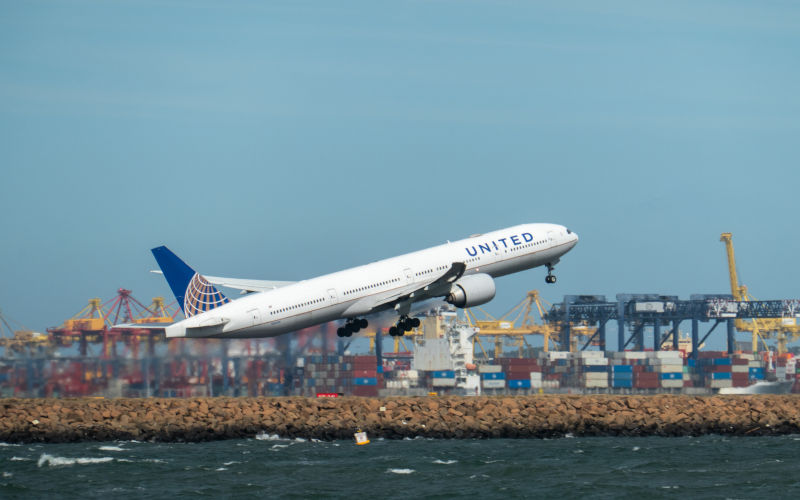
Shadow flights: Australia’s F-35 parts pipeline to Israel now runs through the US
Leaked shipping records show Australian F-35 parts continuing to reach Israel on passenger aircraft, with shipments now routed through the United States rather than Thailand. (more…)
-
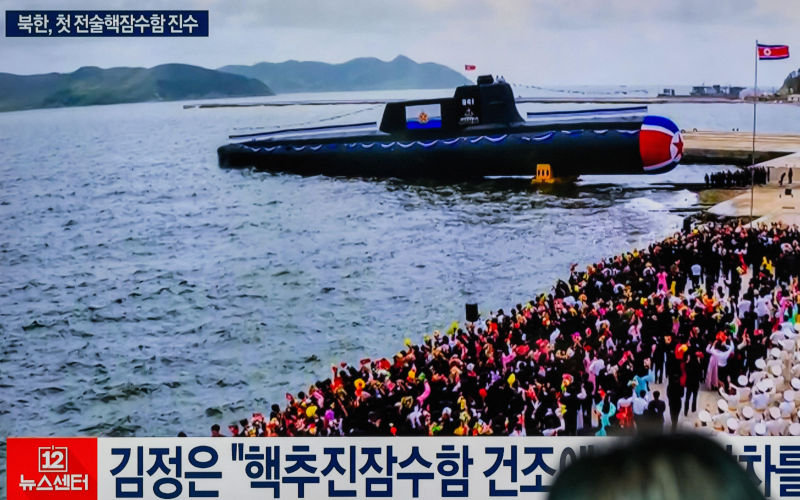
AUKUS Pillar One, part two: The nuclear dilemma – acquiring a sustainable, sovereign undersea capability
In the second of a two-part series, the focus turns to nuclear stewardship. AUKUS would leave Australia responsible for weapons-grade uranium throughout the submarine lifecycle, while lower-enriched alternatives may offer a safer and more sovereign path. (more…)
-
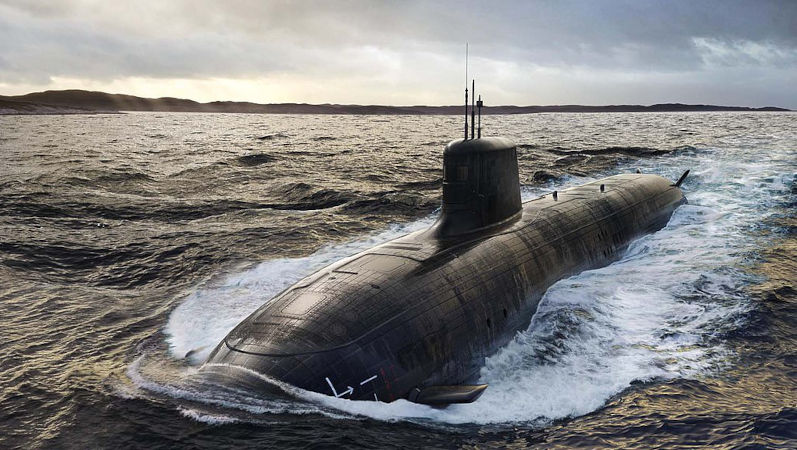
AUKUS Pillar One, part one: The nuclear dilemma – strategic and operational concerns
In the first of a two-part series, AUKUS is examined as a strategic choice, not simply a procurement program. The planned submarines are designed for US-led coalition warfare rather than a self-reliant defence of Australia. (more…)
-
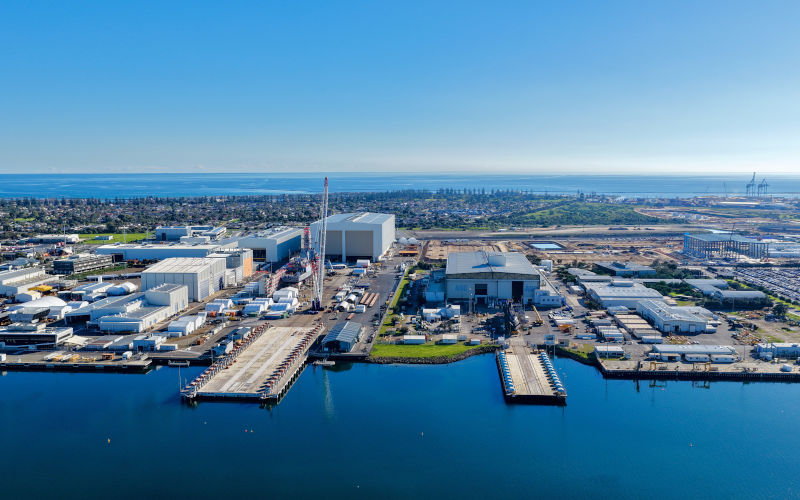
AUKUS Infrastructure, part 7: Sorting the submarine source and sustainment stalemate
In part seven of the AUKUS infrastructure series, the focus turns to Henderson, where fragmented planning risks locking Australia into costly nuclear bottlenecks before construction has properly begun. (more…)
-
Chinese Australians a largely silent constituency in the AUKUS Debate
In this abridged submission to the public inquiry into AUKUS, Wanning Sun warns that the pact’s securitisation of China is discouraging Chinese Australians from political participation and constraining academic freedom. (more…)
-

What courage looks like: David McBride walks free
David McBride has emerged from prison after paying an extraordinary personal price for exposing information about alleged war crimes. His case should leave Australia with more than gratitude – it should leave lasting whistleblower reform. (more…)