
In 1942, crisis forced Australia to rethink a dangerous strategic dependence. Today, reliance on imported fuel creates another vulnerability. Electrification offers a path to greater economic and national security. (more…)
Category: History
-
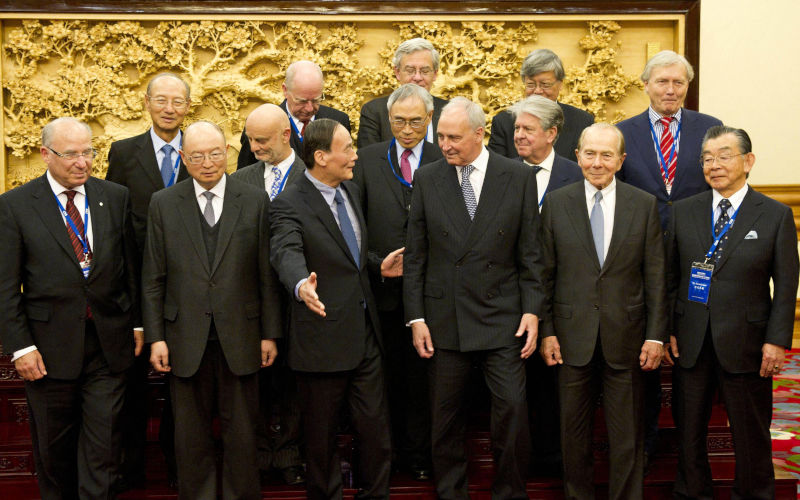
Paul Keating’s AUKUS hostility reflects his passion for hard‑nosed realism over subservience
James Curran’s ‘Grand Ambition’ traces Paul Keating’s attempt to reshape Australia’s place in Asia – and the enduring realism behind his opposition to AUKUS. (more…)
-
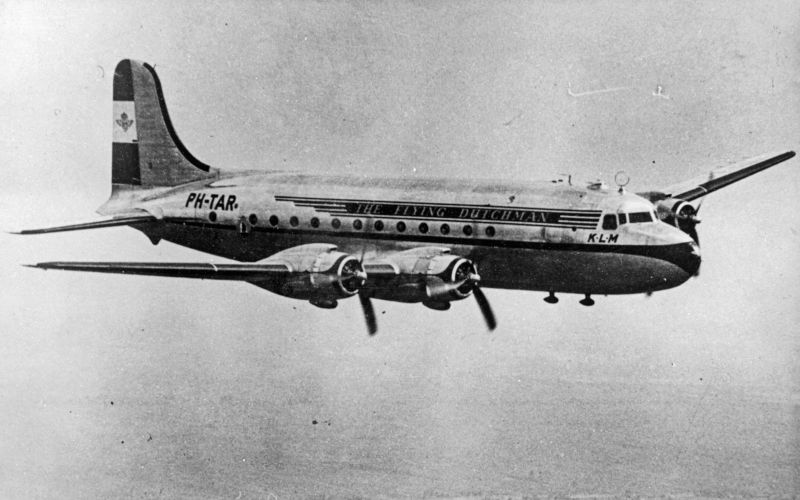
Reflections of a migrant’s daughter
The death of Dutch migrant Dick Van Teulingen at 101 closes a chapter in Australia’s post-war migration story, shaped by those who left war-torn Europe to build new lives here. (more…)
-
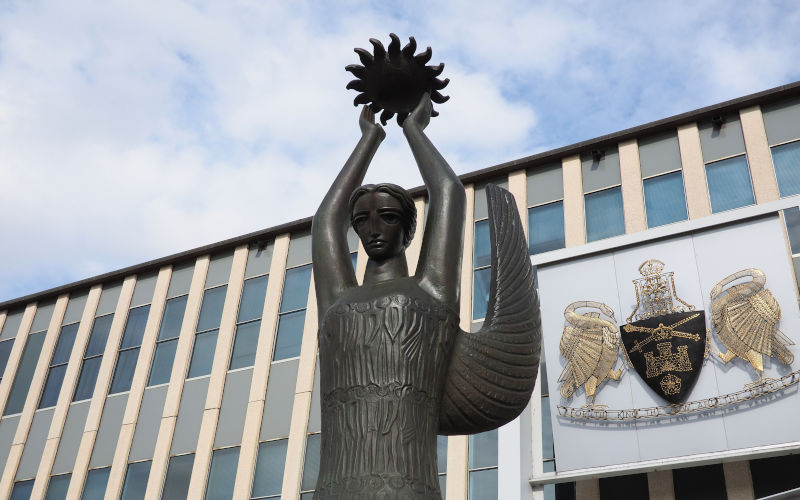
When religious conservatives tried to reshape the ACT Liberals
Religious conservatives have long sought influence within the ACT Liberal Party. Their efforts under Zed Seselja offer a cautionary tale about factional power, political ambition and the limits of ideology. (more…)
-

When leaders break the deal – Message from the Editor
Much of our focus this week has been on what happens when democracy, or the leaders we elect, let us down. (more…)
-

Can juries stay impartial in the opinion age?
Trial by jury remains fundamental to criminal justice, but high-profile cases, media saturation and jurors’ exposure to outside commentary are testing old assumptions about impartiality. (more…)
-
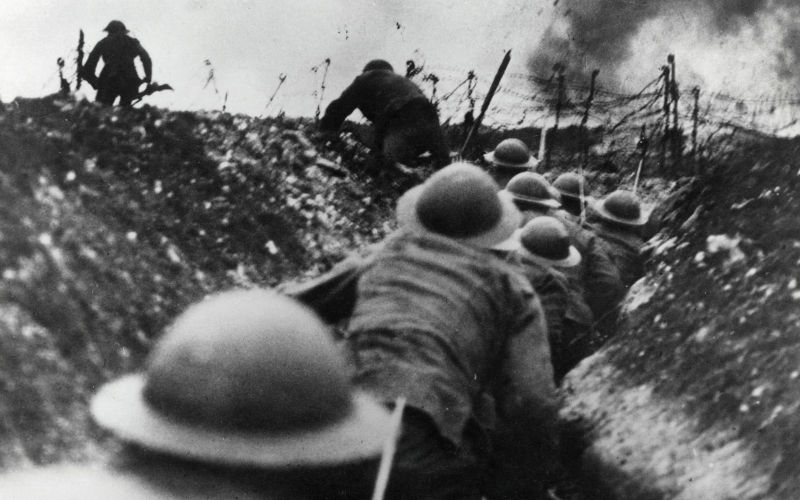
The lessons from 1914 and the great-power mistake we keep repeating
The build-up of deterrence, alliances and enemy thinking helped drive the catastrophe of 1914, and today’s great-power rivalry risks repeating the same dangerous cycle.
-
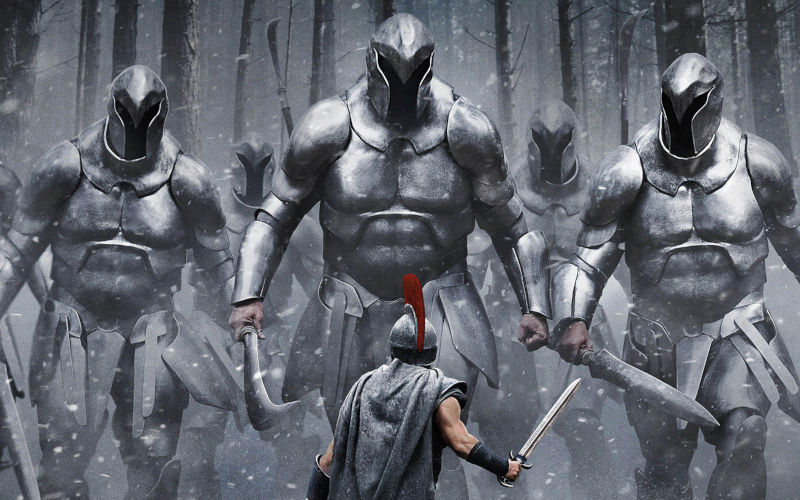
Trump has broken Zeus’ law
Greek tragedy offers a way to read the present: when mercy, law, restraint and community are replaced by power, vengeance and wealth, disorder follows.
-
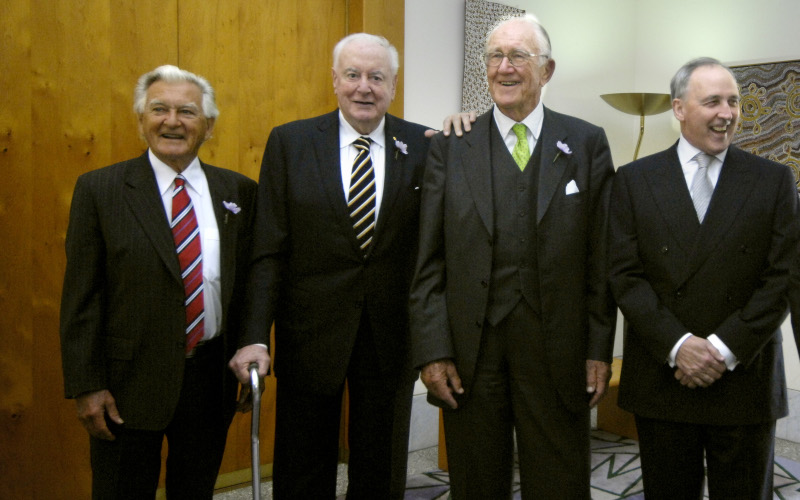
Racism and the response of four former Prime Ministers
In an open letter in August 1998, four former prime ministers expressed their concern about the upsurge in racism at the time of the Howard Government and the coming election. (more…)
-
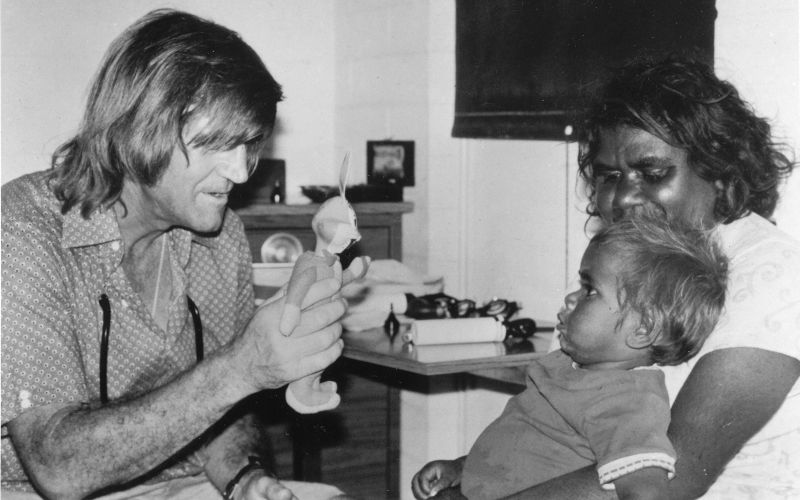
Trachoma finally on the way out in Australia
Fred Hollows’ trachoma program exposed appalling Aboriginal health conditions and helped drive the growth of community-controlled health services. (more…)
-

Who restrains power when power refuses restraint? – Message from the Editor
Across this week’s pieces on P&I, the same question keeps appearing: who or what restrains power when the powerful decide restraint is optional? (more…)
-
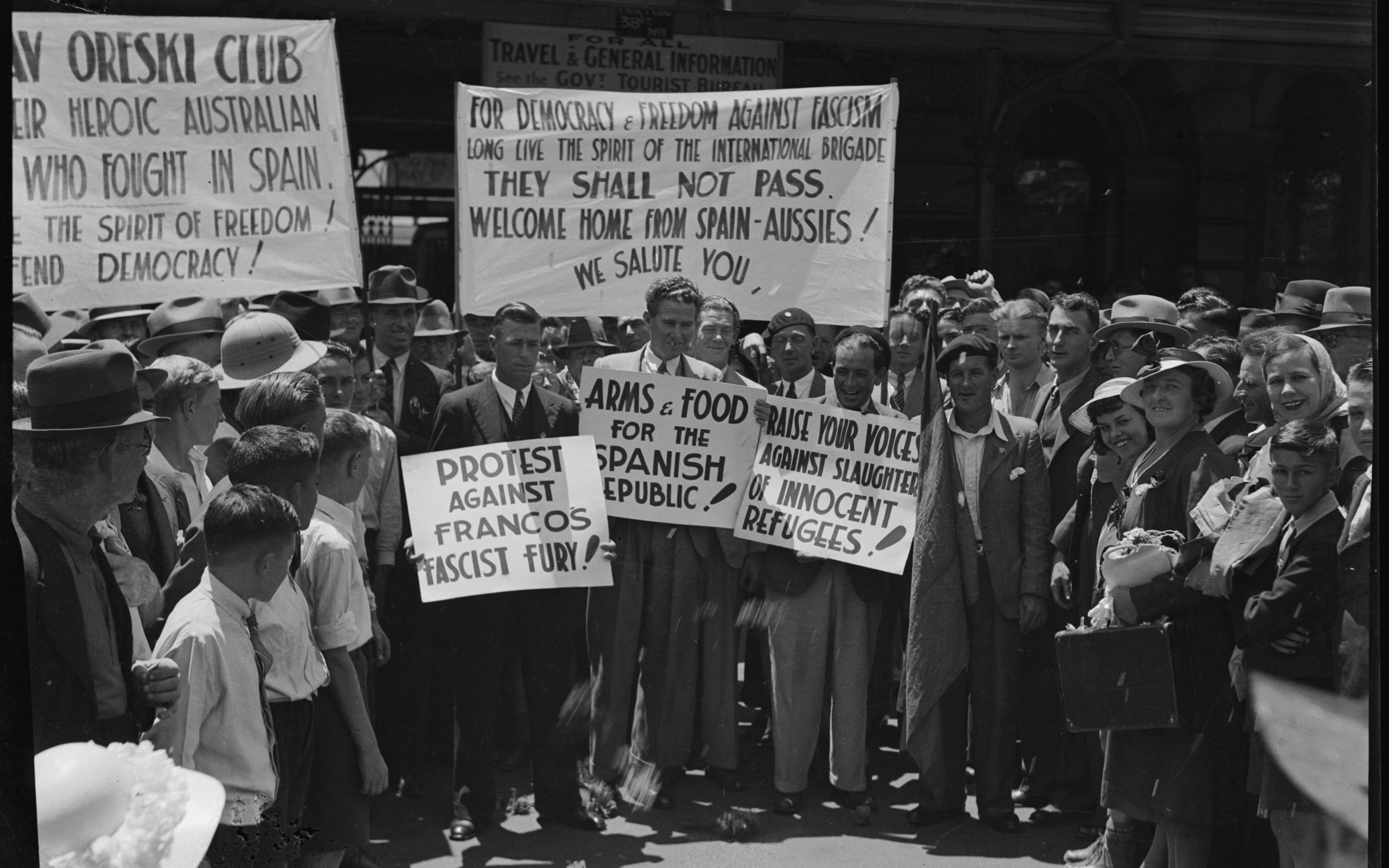
Australia’s pioneering anti-fascists
Ninety years after the Spanish Civil War began, the Australians who fought for the Spanish Republic remain largely excluded from official remembrance. (more…)
-
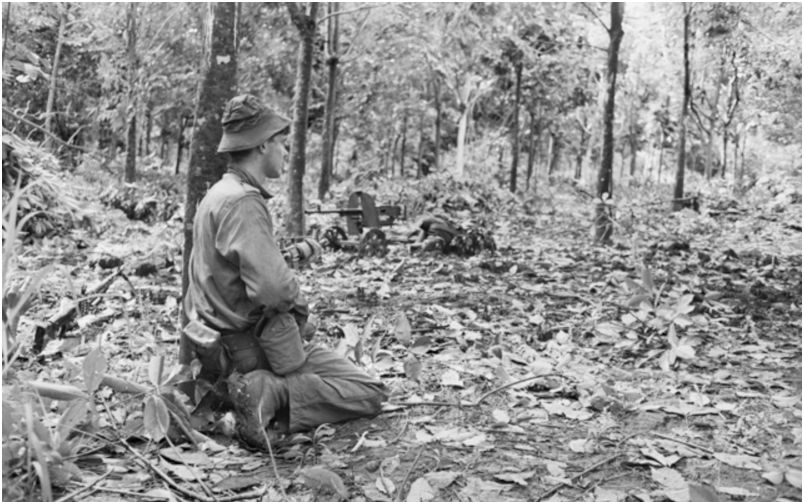
Those who endure and a question of priorities
Encounters with two Vietnamese men shaped by war raise an uncomfortable question for Australia’s older, wealthier generation: what are our priorities now? (more…)
-
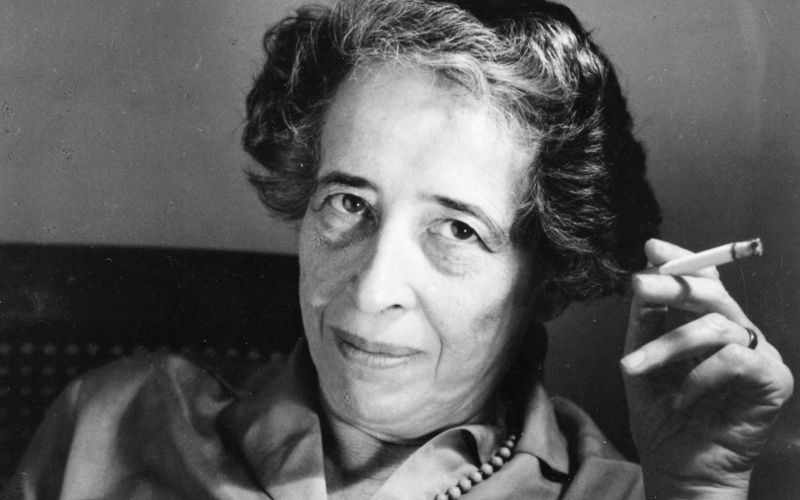
Hannah Arendt and the creation of Israel
Hannah Arendt warned in 1948 that a Jewish state built without Jewish-Arab agreement would live by permanent war, fear and exclusion – a warning that now reads less like idealism than realism. (more…)
-

Decolonising democracy – part one
In the first of an eight-part series, political theorist John Keane examines the effect of disruptions to the world order on democracy and its future. (more…)
-
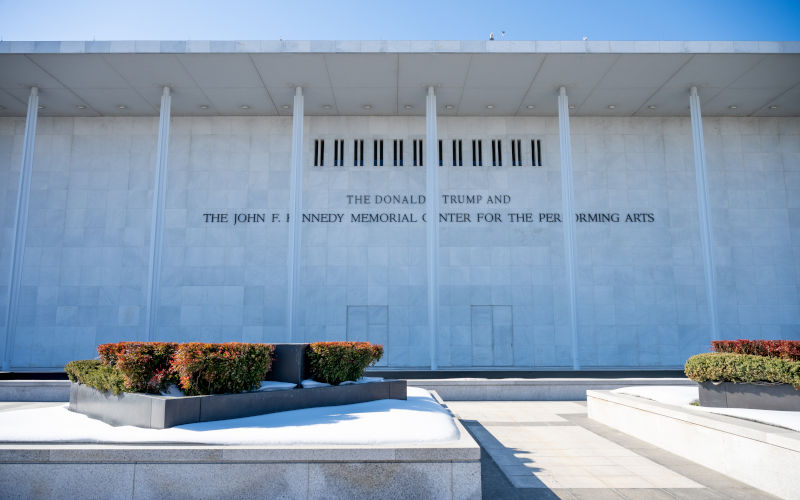
Judge blocks Trump’s attempt to rename the Kennedy Center after himself
A US federal judge has ruled that Donald Trump’s attempt to rename the John F Kennedy Center after himself violated federal law, reaffirming that only Congress can alter the institution’s name.
-
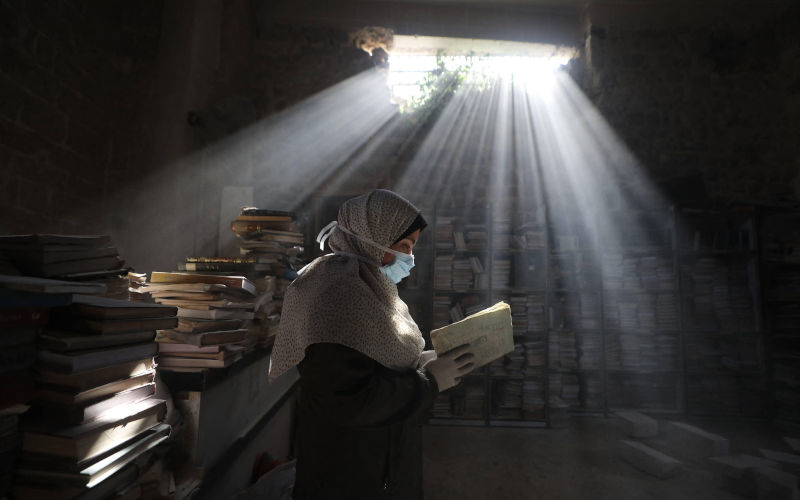
The destruction of cultural heritage breaches human rights
Destroying places of worship and culture is not just a heritage matter. It interrupts ways of mourning, worshipping and sustaining traditions, especially for women. (more…)
-
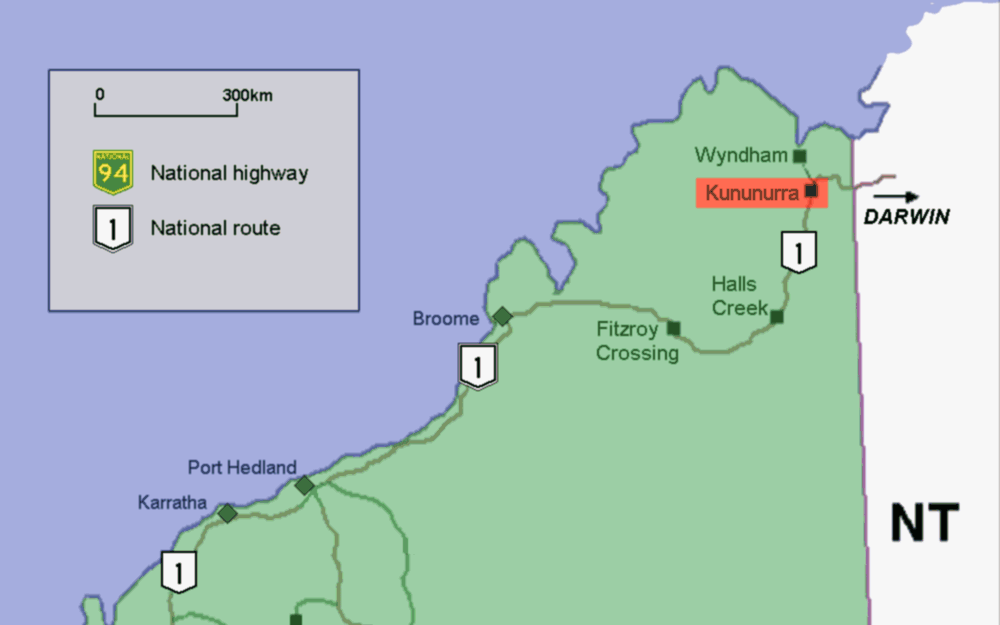
The unpromised land down under
A little-known proposal to settle Jewish refugees in Western Australia highlights how different history might have been – and the role of racism in shaping Australia’s decisions.
-

Wran showed how Labor can win and govern
Fifty years after Neville Wran’s rise to power, his leadership offers enduring lessons in political strategy, discipline and understanding the electorate.
(more…) -
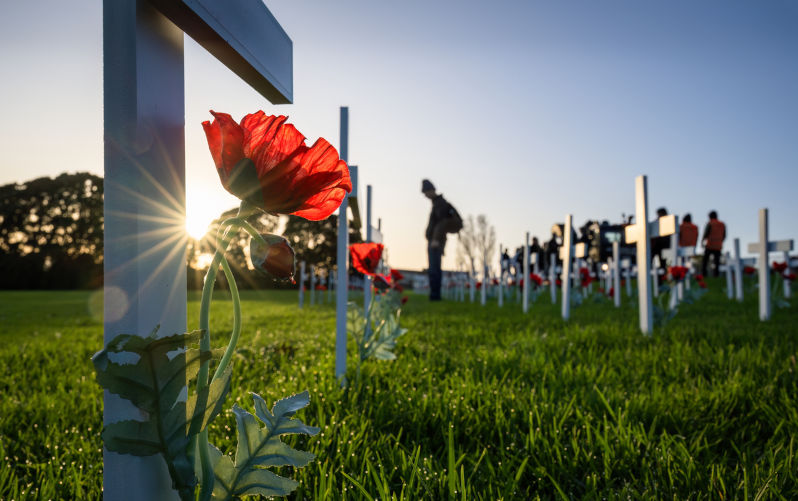
ANZAC Day: remembering the past, facing the present
ANZAC Day honours service and sacrifice, but its deeper meaning lies in recognising the human cost of war and the responsibility to learn from it. (more…)
-
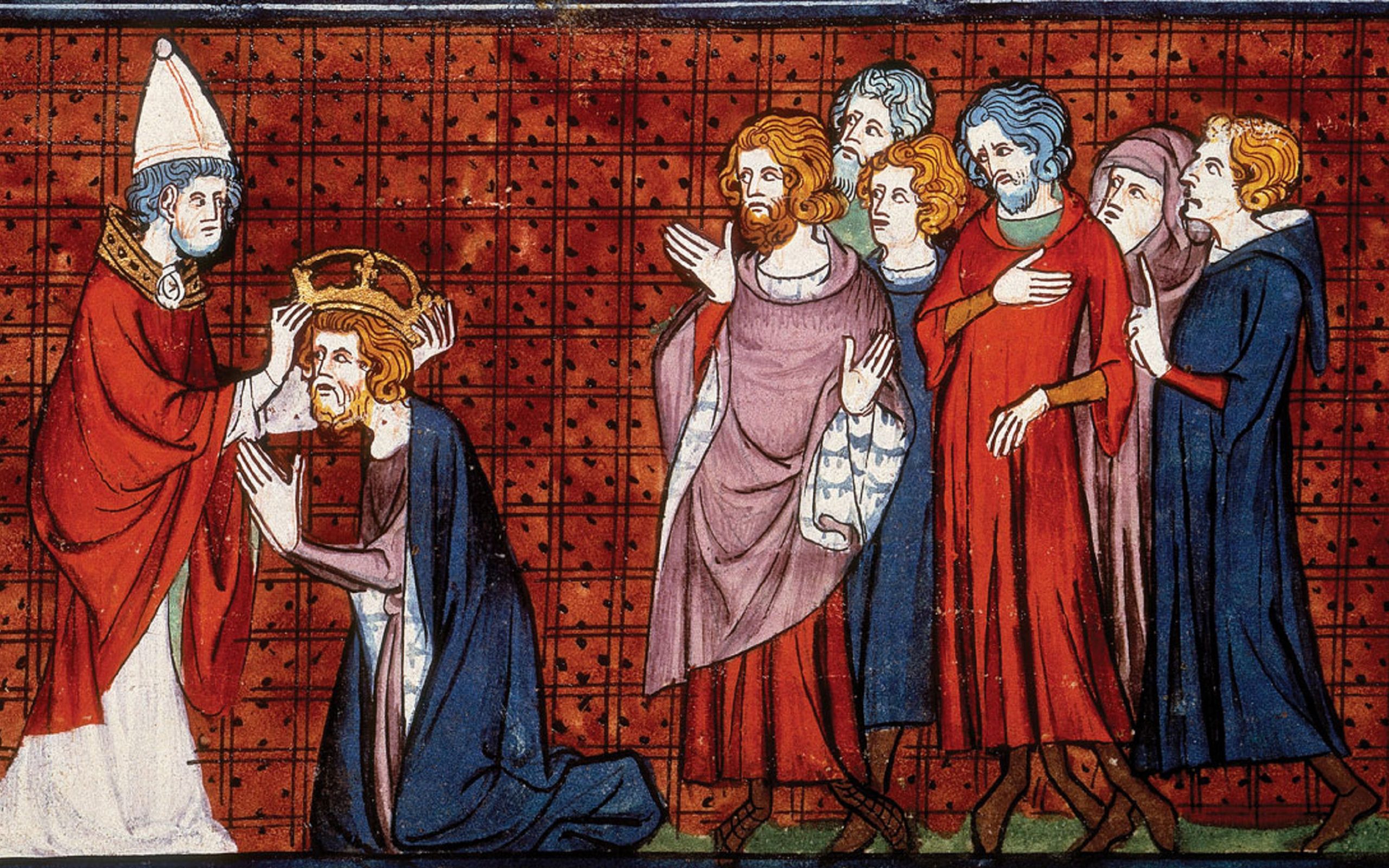
The Trump–pope clash echoes a centuries-old struggle
Conflicts between political leaders and religious authority have shaped Western history for centuries – and continue to define debates over power and legitimacy today. (more…)
-
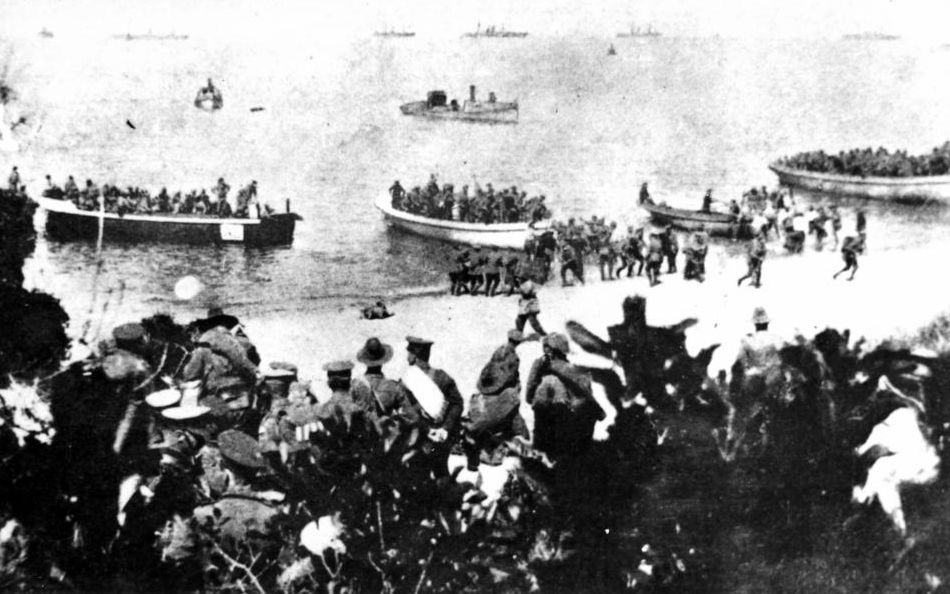
The Anzac story is bigger than we remember
The Anzac tradition honours sacrifice, but the broader, global contribution to the war effort remains under-recognised in Australia’s national memory.
-
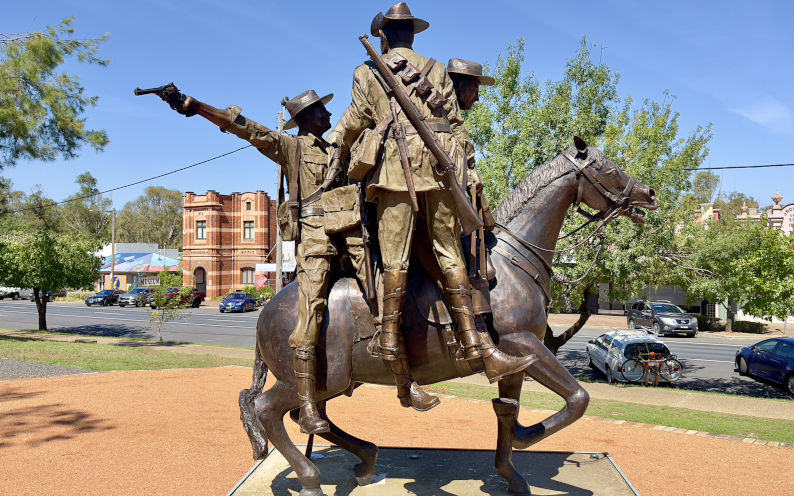
Bill the Bastard – An ANZAC legend
A personal Anzac Day reflection on service, sacrifice and the enduring lesson that war should be remembered, not glorified. (more…)
-
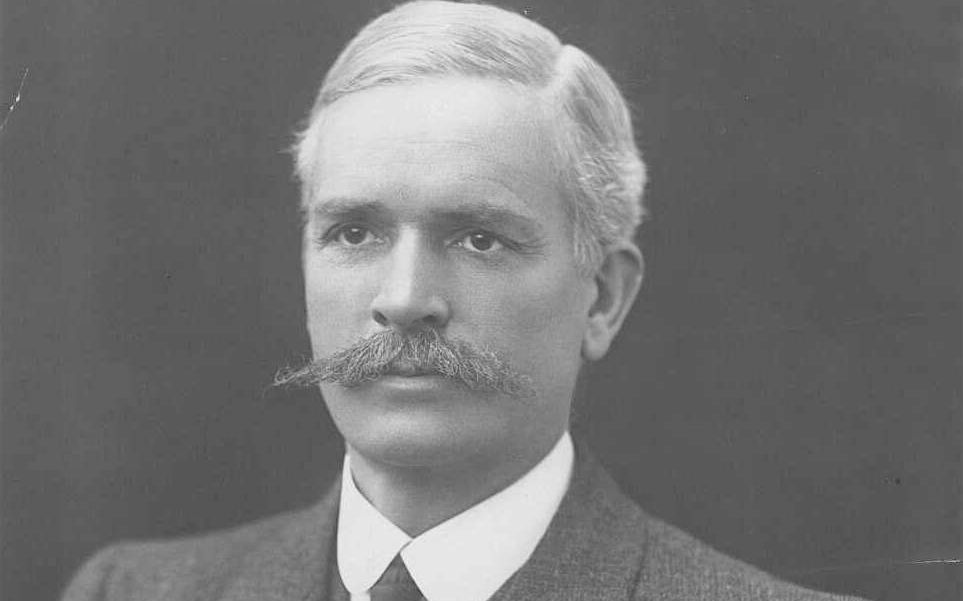
Anzac Day: remembering the perils of imperial subservience
As Anzac Day approaches, the history of Gallipoli offers a warning about the risks of uncritical loyalty to powerful allies and the consequences of decisions made elsewhere.
-
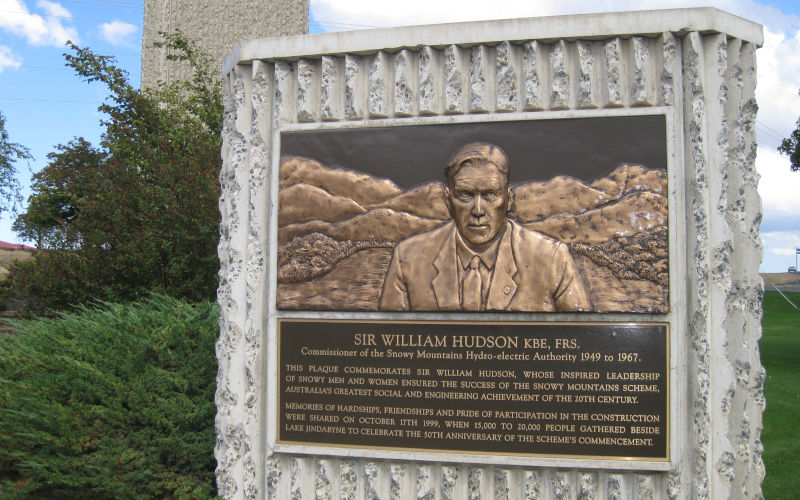
On immigration, we’ve heard this before – and we were wrong then too
Warnings about immigration echo almost word for word the fears once directed at post-war arrivals – fears history has already discredited. (more…)
-

From feminism to the manosphere – where to now?
Patricia Edgar reflects on a lifetime shaped by feminism – and asks why, despite its gains, relationships between men and women now feel more fractured than ever.
(more…) -

History shows Iran is not easily defeated
Iran’s long history shows a pattern of resistance and resilience against external powers. (more…)
-

Anthony Mason’s legacy – and the shadow of the dismissal
Anthony Mason reshaped Australian law as Chief Justice – but his concealed role in the Whitlam dismissal casts a lasting shadow over that legacy. (more…)
-

The anti-Zionism of Sir Isaac Isaacs
Sir Isaac Isaacs warned in the 1940s that Zionism risked deep and lasting conflict. Decades on, those arguments about justice and prudence remain sharply relevant. (more…)
-

Taking back the Southern Cross
Once a symbol of unity, equality and democratic rights, the Eureka flag is increasingly being appropriated by extremist groups seeking to legitimise racism and exclusion. Reclaiming its precious original meaning may now require protecting it from misuse.