
Financial stress is rising and life satisfaction is falling, but Australians’ discontent runs deeper than household budgets to growing distrust in politics and government.
Category: Economy
-
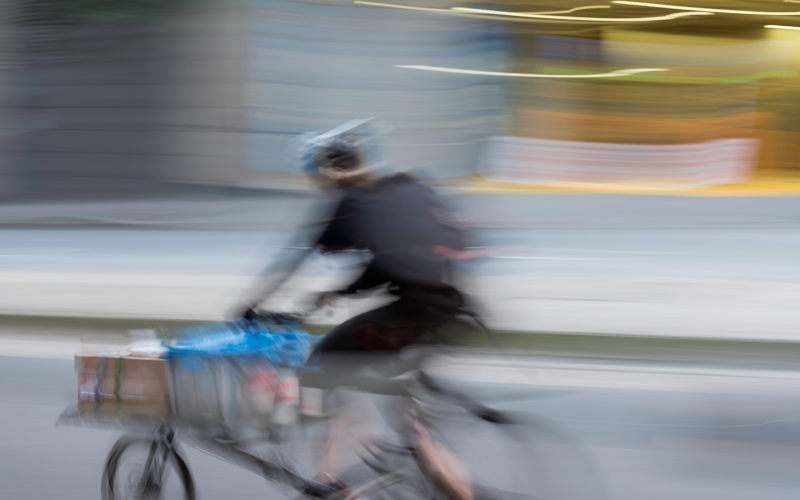
I am a Sydney delivery rider. Here’s what the new minimum wage won’t fix
A new minimum hourly rate is a major improvement for delivery riders, but platform incentives still reward speed, dangerous conditions and risk-taking. (more…)
-

What kind of country is Australia actually trying to become?
Australia has no shortage of wealth, projects or policy targets. What it lacks is a coherent strategy for building the capabilities its future society will need. (more…)
-
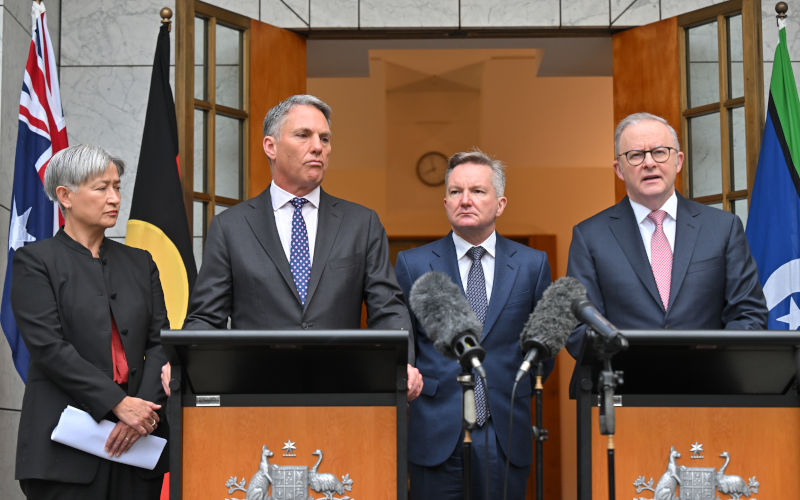
Albanese governs with insiders and leaves voters outside the room
The Albanese government may be adept at negotiating with insiders, but its failure to explain decisions and engage voters is deepening public distrust. (more…)
-
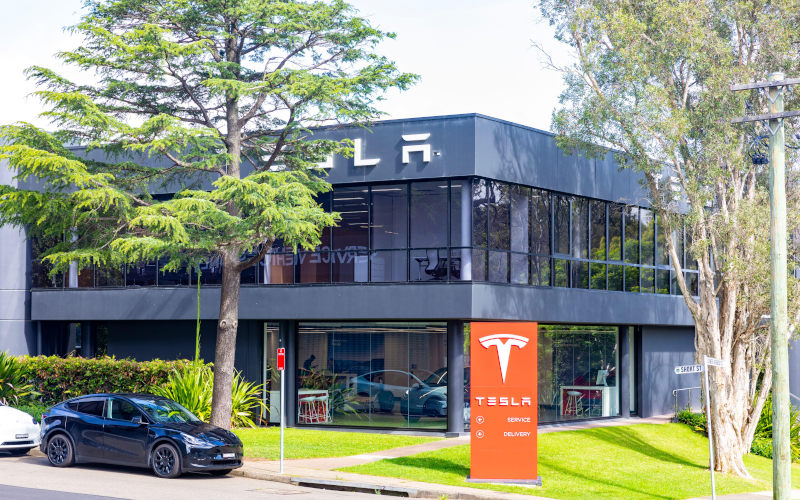
EVs outsell petrol and diesel as Australia’s car market shifts
Battery EVs took a record 24.9 per cent of Australia’s new-car market in August, outselling both petrol and diesel as electrified vehicles continued their rapid rise.
-
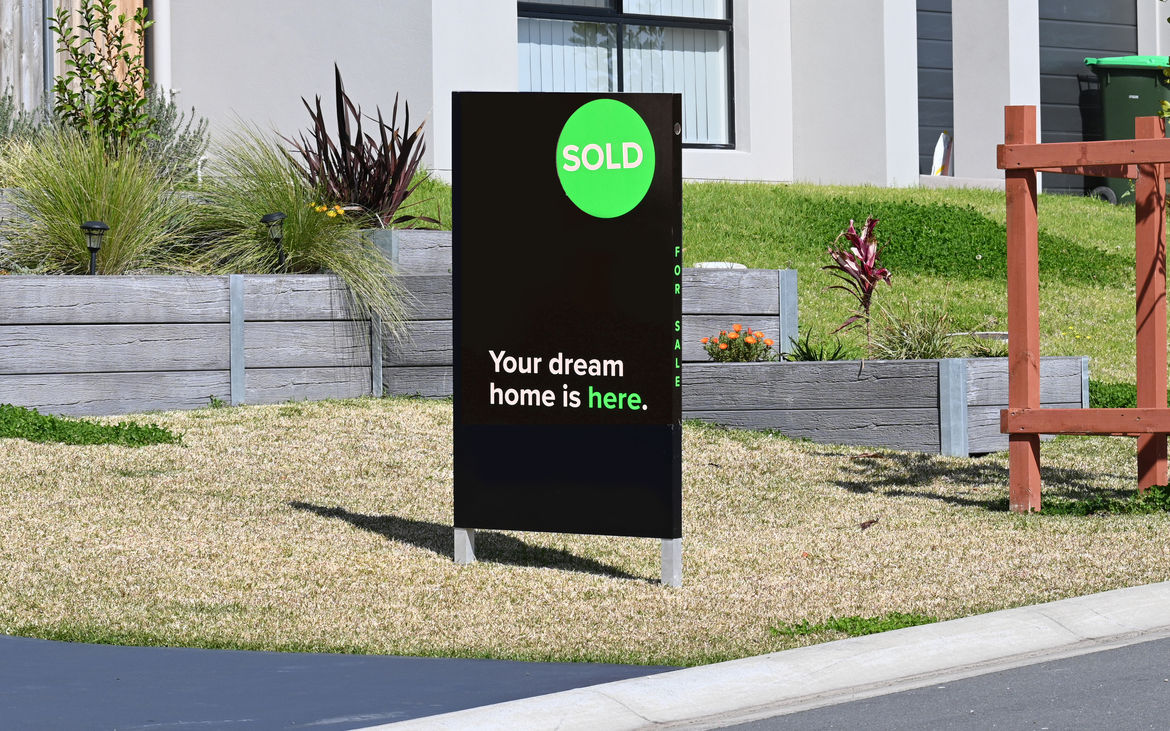
House prices are falling. Now we’ll find out who really wants affordability
Australia cannot make housing more affordable while protecting homeowners from falling prices. The current downturn may reveal how serious politicians really are about fixing the system. (more…)
-

The changing face of homelessness
Homelessness in Australia is increasingly affecting working families, older women and people who never fitted the old stereotype, as housing costs, insecure work and inadequate social housing widen the risk. (more…)
-

Finally a ban on unfair trading – but big gaps remain
Australia’s new unfair trading laws are a major step forward, but gaps covering financial services, personalised pricing and exploitative product design could leave consumers exposed to serious harm. (more…)
-

Labor’s carbon offsets look better on paper than in practice
Labor’s latest carbon offset proposal shows how economic ideas that work neatly on paper can deliver far less environmental benefit when put into practice. (more…)
-

Can AI fix Australia’s cost-of-living crisis? Part two: Maximising the benefits from AI
AI could lift productivity and living standards, but without stronger government leadership, workers risk missing out on the benefits at the same time as bearing the costs. (more…)
-

Banks claw back credit card rewards
Banks are clawing back rewards as new credit card fee rules threaten their profits, raising bigger questions about competition, cash and who ultimately benefits from Australia’s card system. (more…)
-

Housing costs too much. What happens when buyers finally say no?
Australia’s housing market has long been powered by fear of missing out. But stretched incomes and record prices could produce the opposite response – a growing fear of overpaying. (more…)
-

Gen X is still driving down to The River – and finding it dry
Many in Generation X have reached midlife carrying mortgages, insecure work, dependent children and ageing parents. The growing anger across middle Australia did not come from nowhere. (more…)
-
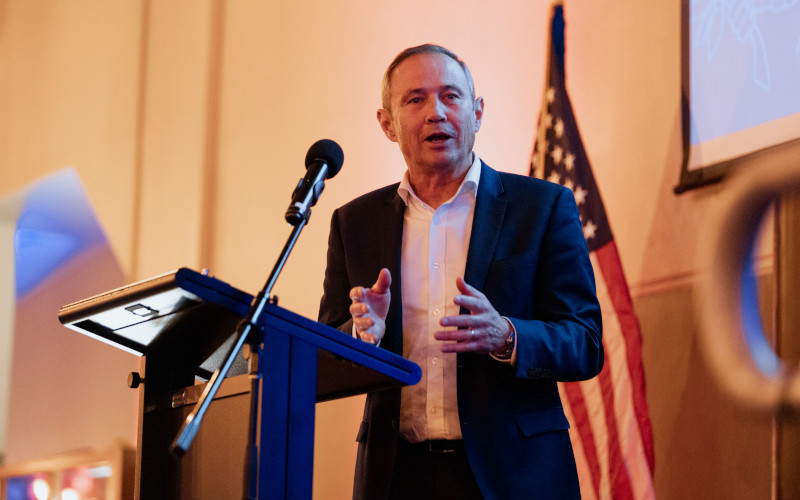
The Productivity Commission has exposed the failure of WA’s GST windfall
The Productivity Commission has found that the 2018 GST reforms are failing on efficiency, effectiveness and fairness, while Western Australia continues to benefit from billions in funding. (more…)
-
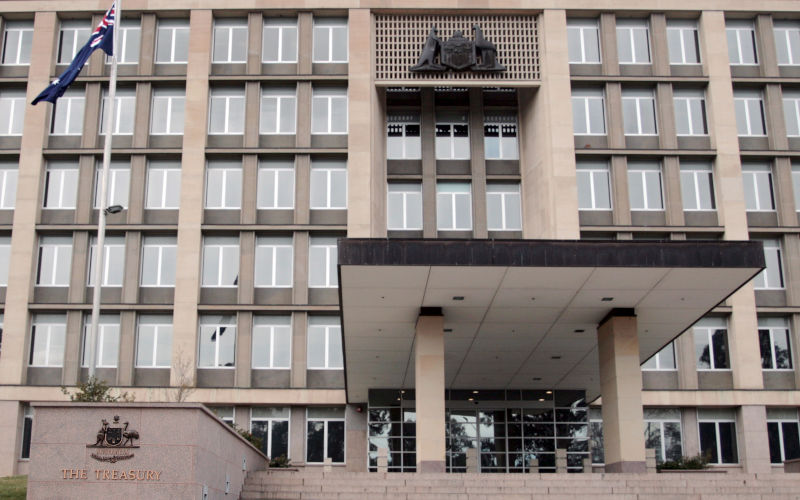
Australia is running deficits – and leaving the bill to the kids
Australia is running budget deficits. That means today’s taxpayers are not fully paying for the services they receive – and younger generations inherit the debt. (more…)
-

Fighting inflation without making inequality worse
Interest rates are a blunt tool for tackling inflation, and can hurt the people least able to absorb higher costs. (more…)
-
Productivism won’t fix Australia’s economic woes
Australia’s productivity debate is overlooking the deeper economic problems created by decades of neoliberal policy. (more…)
-

Australia’s home ownership rate doesn’t tell the whole story
Australia’s home ownership rate is 66 per cent when counted by household, but just 51 per cent when counted by person. The difference leaves millions of Australians living in an owned home without owning one themselves – and changes how we should understand Australia’s housing crisis. (more…)
-

Are the rich and old to be pitched against the young and poor?
Making housing affordable for younger Australians will require lower land prices and a major increase in housing supply. But the rush to build risks sacrificing planning standards, urban amenity and sustainability, while the labour shortage makes immigration an unavoidable part of the equation. (more…)
-
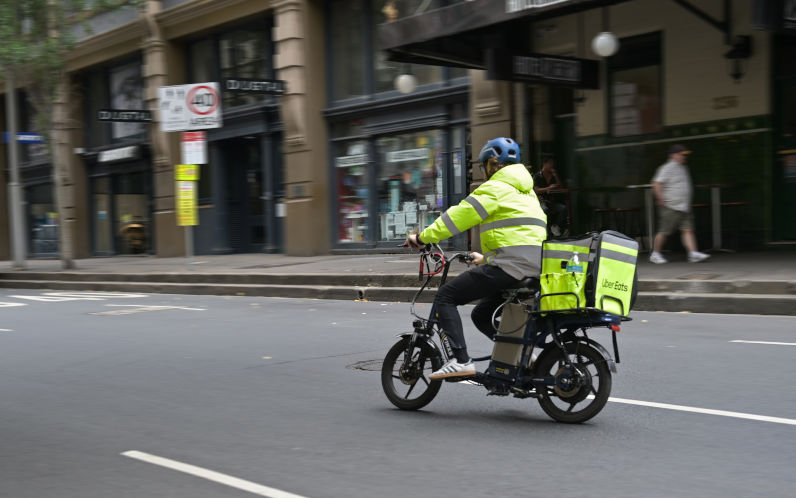
Gig workers get new rights – without the catastrophe platforms predicted
New minimum standards will give food delivery workers an earnings floor, accident cover and clearer workplace protections. The changes also test years of warnings that regulating gig work would send delivery prices soaring. (more…)
-

Who should build the low-carbon economy?
Clean technologies are spreading rapidly, but the ability to design, manufacture and profit from them remains concentrated in a handful of countries. A just transition requires developing nations to build their own capacity to innovate. (more…)
-

Less job mobility, lower productivity: the cost of cosy capitalism
Australians are changing jobs far less often than they did 50 years ago. Financial insecurity, debt and workplace barriers may be trapping workers in jobs – and helping entrench a low-productivity form of “cosy capitalism”. (more…)
-

The US$1.2 trillion bet that AI pays on time
AI may live up to the technological hype while disappointing investors. Vast infrastructure spending is being financed on fixed schedules even as returns remain uncertain and hardware ages quickly. (more…)
-
From subscription traps to corporate power: government can fight back
A long-running subscription rip-off ended with refunds and a $10 million penalty. More importantly, it showed what government can achieve when it sides with consumers against corporate power. (more…)
-

Pay where you play can fix global tax abuse
A proposed UN tax convention could shift global rules from taxing profits where companies declare them to taxing profits where they are actually earned. (more…)
-

Victorian Labor’s collapse isn’t about debt. It’s about 2020
Victorian Labor’s collapse is not only about debt, crime or infrastructure blowouts, but a delayed reckoning from communities that felt broken by lockdowns and ignored by the recovery. (more…)
-
Australia’s federation has survived 125 years of economic shocks
Australia’s economic history shows that major shocks often come from overseas, but better policy settings over the past three decades have helped keep unemployment, inflation and debt under greater control.
-
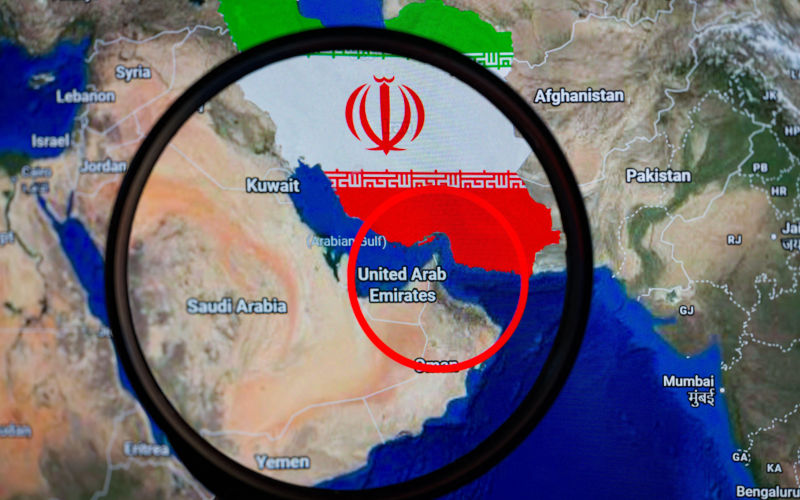
The Hormuz crisis has become a test of state capacity
The Hormuz crisis shows that food security now depends not only on harvests and markets, but on whether governments have the fiscal, industrial and administrative capacity to secure fertiliser supplies. (more…)
-
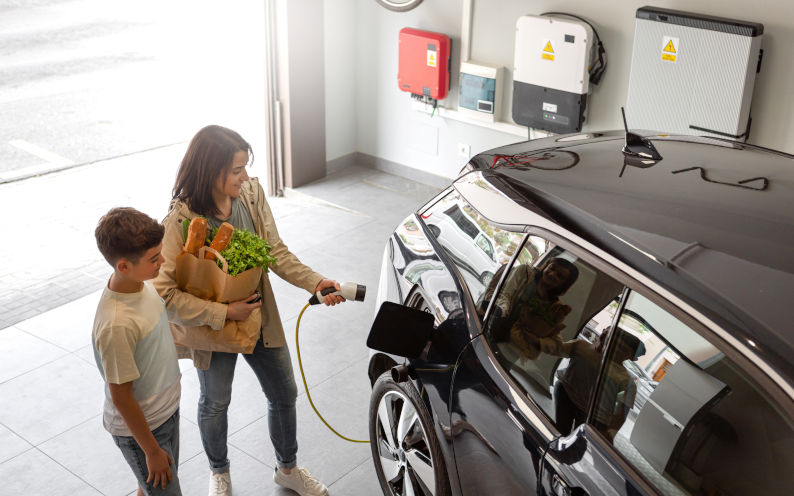
Home electrification is an investment hiding in plain sight
For self-funded retirees, home electrification can cut energy bills, reduce exposure to petrol and gas prices, and add value to the home. (more…)
-

Australia needs green energy statecraft
Australia’s iron and steel sector shows why climate policy, industrial strategy and national security now need to be governed together, not treated as separate problems. (more…)