Labor’s promise to ease living costs and cut taxes may offer relief, but it avoids the deeper question of who owns, controls and profits from the systems making life insecure.
(more…)
Category: Economy
-
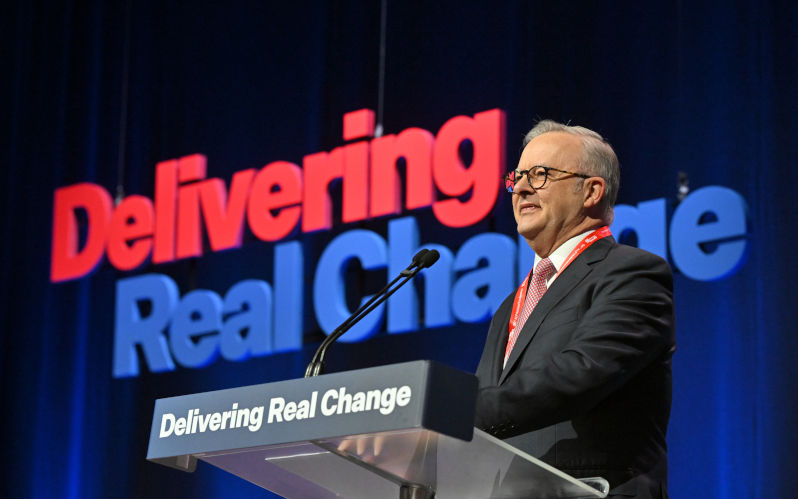
Labor should talk about the cost of capitalism
-
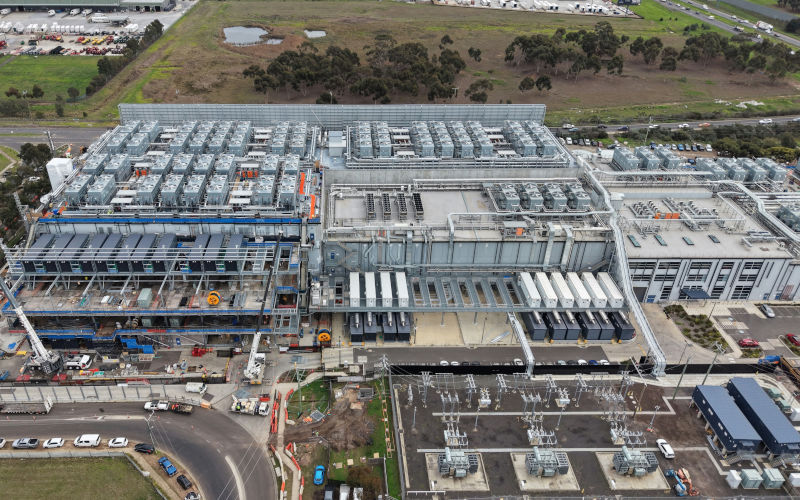
With hyperscale data centres, water governance faces its biggest challenge
Hyperscale data centres are adding new pressure to already stressed freshwater systems, testing whether governments can allocate, monitor and protect water fairly.
-
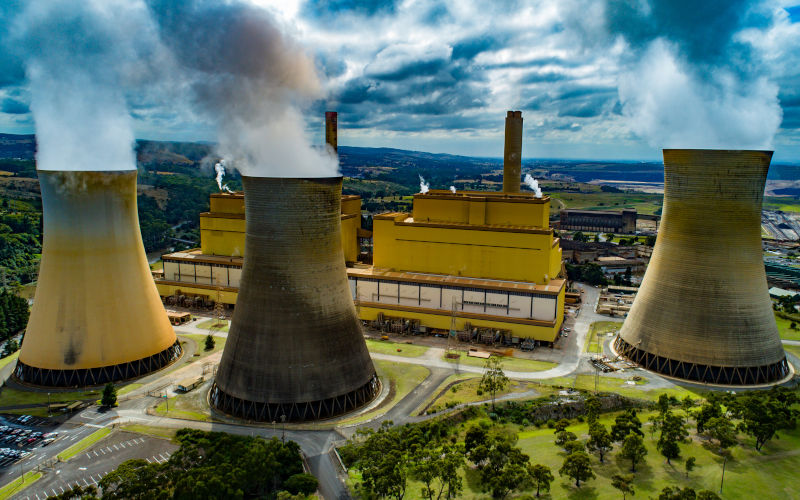
Coal extensions are holding back clean energy investment
Uncertainty over coal plant closure dates is weakening investor confidence in renewable energy, creating a circular problem where coal stays open because new investment is delayed.
(more…) -

Want to lift productivity? Force businesses to give workers a big pay rise
Weak growth, falling real wages and poor productivity are linked, and one way to force business to invest and improve efficiency may be to lift wages across the economy. (more…)
-

Renewables-powered data centres could revive Australia’s regions
Renewable energy, data centres and energy-intensive industries could shift economic growth towards regional Australia, where power can be generated and used closer to source. (more…)
-
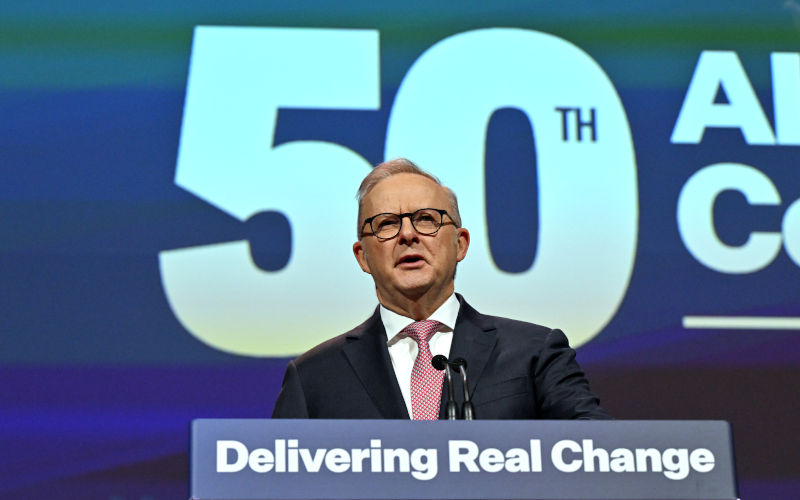
Albanese sees the problem. Labor still cannot name the system
Anthony Albanese acknowledged structural problems in the economy at its National Conference, but Labor still treats capitalism as a system to be repaired rather than transformed. (more…)
-

Australia’s new AI rules protect data centres, not citizens
The new national framework for AI is all about infrastructure. Where are the guardrails to protect citizens? (more…)
-

Legislation is needed to ensure we have data on AI’s environmental impact
The government wants AI data centres to minimise water use and maximise energy efficiency, but those rules will mean little without public, facility-level measurement of their real impact.
(more…) -

Indonesia’s rupiah problem is now a credibility problem
Bank Indonesia faces an increasingly difficult trade-off between stabilising the rupiah and supporting growth. (more…)
-

Productivity growth is the best answer to populism
The rise of populism reflects unmet expectations about living standards, but the answer lies in restoring productivity growth rather than blaming inequality.
(more…) -

Australia needs a capability state
Australia has immense natural, financial and scientific wealth, but has failed to turn enough of it into productive industries, skills and long-term national capability.
(more…) -

Who restrains power when power refuses restraint? – Message from the Editor
Across this week’s pieces on P&I, the same question keeps appearing: who or what restrains power when the powerful decide restraint is optional? (more…)
-

Disjointed journeys in the housing market
Following young people’s pathways into (and out of) home ownership can cast light on their future possible trajectories and be useful for a forward-looking housing policy. (more…)
-

Productivity is the symptom. Rentier capitalism is the disease
Australia’s unfinished economic reform goal should be to make Australian capitalism work better by directing capital towards productive enterprise and away from dependence on asset inflation. (more…)
-

More economic myths that are holding us back
Markets are often treated as if they naturally maximise public benefit, but they can just as easily reward speculation, weak care, low wages and ecological destruction. (more…)
-

From compliance to opportunity in AI: the key is capability
The Australian conversation about AI has settled around risk and regulation. Its economic promise will turn less on the rules Australia writes than on the capability built around the technology. (more…)
-

How much wealth is too much?
Extreme wealth is concentrating economic, political and technological power in the hands of a tiny few. Healthy democracies cannot ignore the question of limits. (more…)
-

The responsibilities of giving
Helping others begins with respect, recognising what they have already achieved and how to assist them to realise their capabilities. (more…)
-

BRICS: the eulogy for western dominance?
The world’s economic centre of gravity is moving from the Atlantic toward Asia. This reflects the rise of China and India and the dynamism of the BRICS. (more…)
-

Gen Z is not ageing into the old Australia
Why Australia’s Gen Z is unlike any voting cohort before it and why every institution built for the old Australia is about to find out. (more…)
-

The productivity obsession has a measurement problem
The focus on productivity as the key to economic growth ignores the fact that we can’t directly observe productivity. We need better ways to measure improvements in overall living standards.
(more…) -

A nature-based food revolution
Forget AI. The technological advance that will save the most human lives is being led by two million Indian farmers, who are pioneering advanced natural food production in a revolutionary movement that is spreading almost by the hour. (more…)
-

Diversifying the critical minerals supply chain
Reducing dependence on China in the world’s critical mineral supply chain doesn’t require building a separate market. The trading system must find a balance between defence interests and the push for decarbonisation. (more…)
-

EV charging needs national coordination
Australia’s EV charger rollout has been fragmented and incomplete. It’s time for it to be brought together as a coordinated network. (more…)
-

Labor’s housing tax reforms must be the beginning, not the end
Labor’s capital gains tax and negative gearing reforms are a welcome start. But fixing housing will require broader tax reform, state cooperation and far greater investment in social housing.
(more…) -
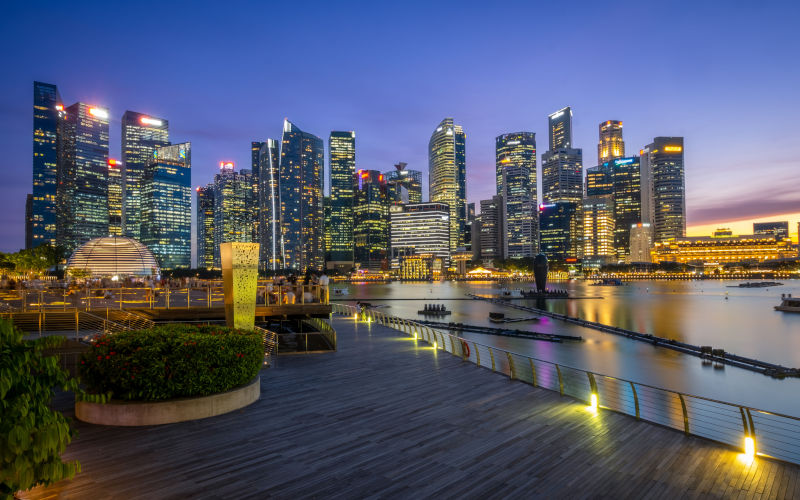
Singapore’s regulatory moment
Diverging regulatory systems are reshaping how global firms have to operate. Singapore’s standards strategy is intended to make regulatory friction work in its favour. (more…)
-

How to pay for using our roads
A road user charge should not be used to punish electric vehicle drivers, but to fairly price all motoring by distance, vehicle mass and pollution – with fossil-fuel vehicles still paying for the harm they cause.
(more…) -
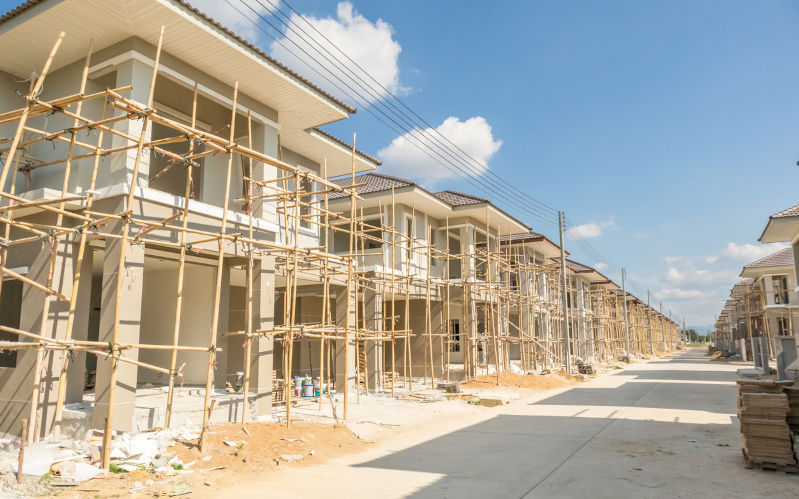
New supply won’t fix housing while investors keep winning
To fix the housing crisis, further reform is needed that shifts taxation away from earnings onto passive assets. (more…)
-

Our housing system must accommodate the middle
The current housing crisis is yet to focus properly on those who do not qualify for social housing but cannot compete in the private market. (more…)
-

Australia must have an ambitious research policy to underpin economic transformation
In a speech marking the 20th anniversary of the National Collaborative Research Infrastructure Strategy (NCRIS), Kim Carr warns that Australia cannot build future prosperity on population growth, property and resource extraction alone – it must invest seriously in the scientific capability that drives innovation. (more…)