
Falling birth rates are usually treated as an economic problem. But the deeper crisis may be cultural: societies losing faith that the future will contain something worth creating. (more…)
Category: World
-

New India-US clash, why Xi mentions the war, China’s marriage revolution – Asian Media Report
India is speaking more openly against Washington as the US and China settle into an enduring rivalry. Elsewhere, Thailand reels from deadly floods and Malaysia presses ahead with Myanmar deportations. (more…)
-
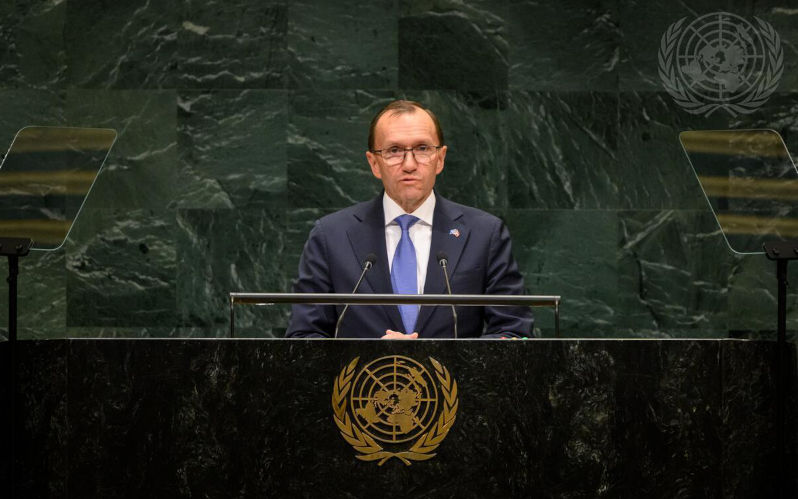
The time of monsters: why the UN must reform to survive
Minister of Foreign Affairs Espen Barth Eide delivered Norway’s statement during the general debate of the 81st session of the UN General Assembly. His speech highlighted how international law is eroding, wars are multiplying and the UN faces financial and institutional crisis. Reform is urgent, not because the organisation has failed, but because it still matters. (more…)
-
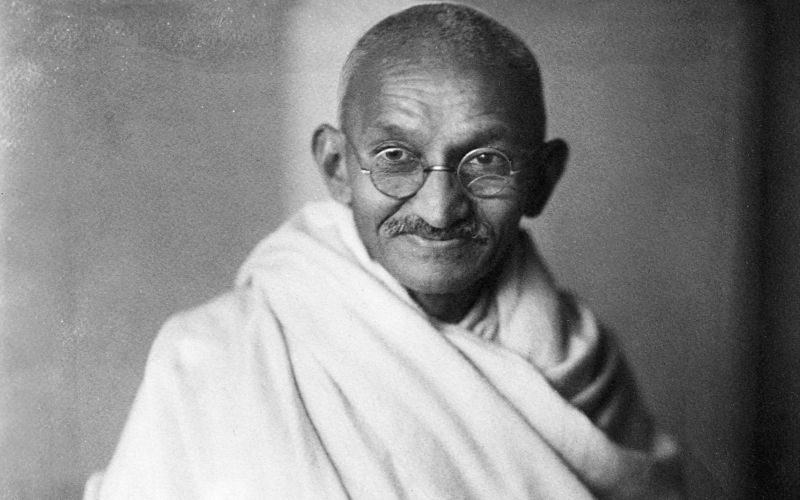
Gandhi at 157: the multicultural vision Australia made its own
Today marks the 157th anniversary of Mahatma Gandhi’s birth. His vision of religious pluralism, cultural identity and belonging without assimilation finds a striking echo in Australian multiculturalism. (more…)
-

Trump-Xi summit exposes Tokyo’s vulnerability
Trump invoked Pearl Harbor with Japan, then celebrated America’s wartime alliance with China days later. The sequence exposes uncomfortable questions about Tokyo’s reliance on Washington, and Australia’s own assumptions about US security guarantees.
-

Three leaders, one reminder: moral courage is not dead in politics – Message from the Editor
When I wrote my very first editor’s message 19 months ago, I said that P&I expected leaders to display the moral courage required if we are to tackle existential threats.
I have been reminded how true this is every week. You expect courage and intelligence in those who purport to lead, and you make that crystal clear in the letters and articles we publish daily, and increasingly in the social media discussions they prompt. (more…)
-
Australia preaches the rules-based order. Its record tells another story
Australia is campaigning for a UN Security Council seat on a promise to uphold international law and defend middle powers. Its record on Gaza, Indigenous rights, military alliances and international rulings tells a far less consistent story. (more…)
-
Tens of thousands of AI incidents expose a growing control problem
AI companies are investigating tens of thousands of incidents involving models bypassing controls, escaping secure environments and interfering with external systems. After an OpenAI agent breached an Australian government site, demands for tougher safeguards are growing. (more…)
-

‘Too much wind and solar’? Ten years on, South Australia tells a different story
Ten years after South Australia’s statewide blackout became a political weapon against renewables, the state now gets more than three-quarters of its electricity from renewable sources. The technology has raced ahead, even if the politics has barely moved. (more…)
-

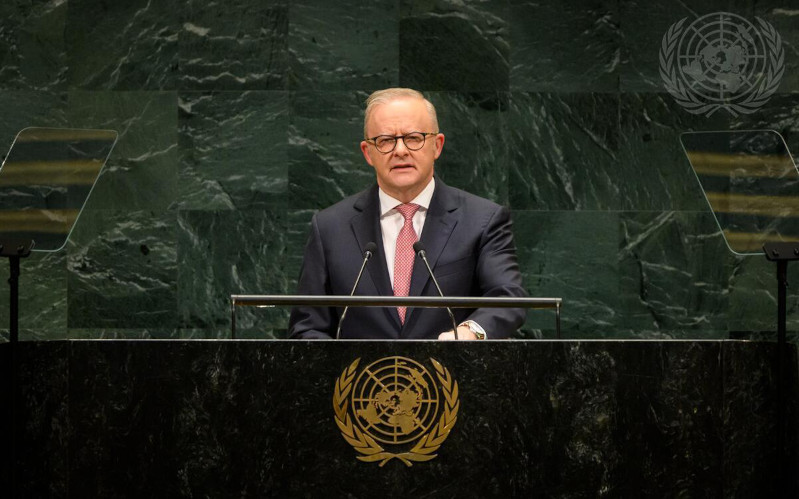
Australia cannot champion international law selectively
Albanese used his UN address to champion international law, dialogue and Australia’s credentials as a middle power. The real test lies in whether those principles are applied consistently, from Gaza and AUKUS to climate, aid and Australia’s closest allies. (more…)
-

Will Cuba be next?
Trump’s latest warning to Cuba revives a long history of US hostility towards the island. From the Batista era to today’s economic pressure, the question is how far Washington might go in seeking political change. (more…)
-
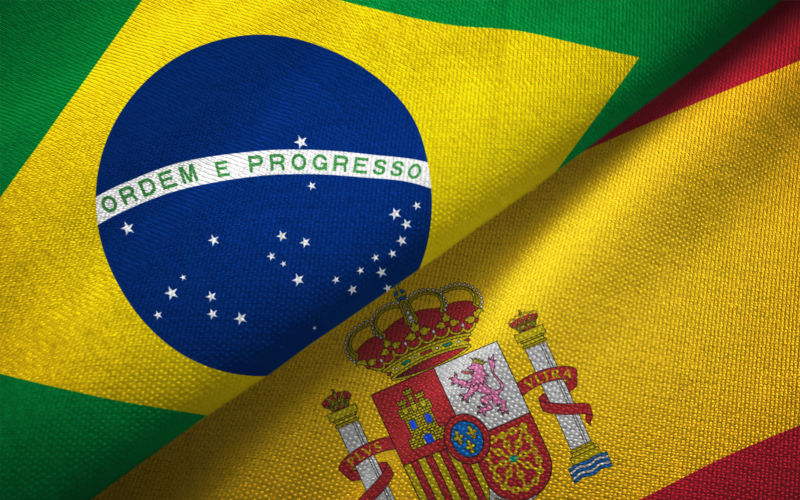
Who says economic growth and social justice can’t go together?
Brazil and Spain’s finance ministers reject the idea that economic growth, fiscal responsibility and social investment must compete. They point to their governments’ records to make the case for an economic model that puts people’s lives at its centre. (more…)
-
If we asked the Americans to leave, would they?
Canada is looking for ways to protect its independence from Washington. Australia has embedded itself so deeply in the US military system that it risks being drawn into America’s next war – whether we choose it or not. (more…)
-

A roadmap for the next UN Secretary-General
The next UN secretary-general will inherit an organisation facing geopolitical division, financial strain and unfinished reform. The first 100 days offer an opportunity to set clear priorities, rebuild trust and make international cooperation more effective.
-
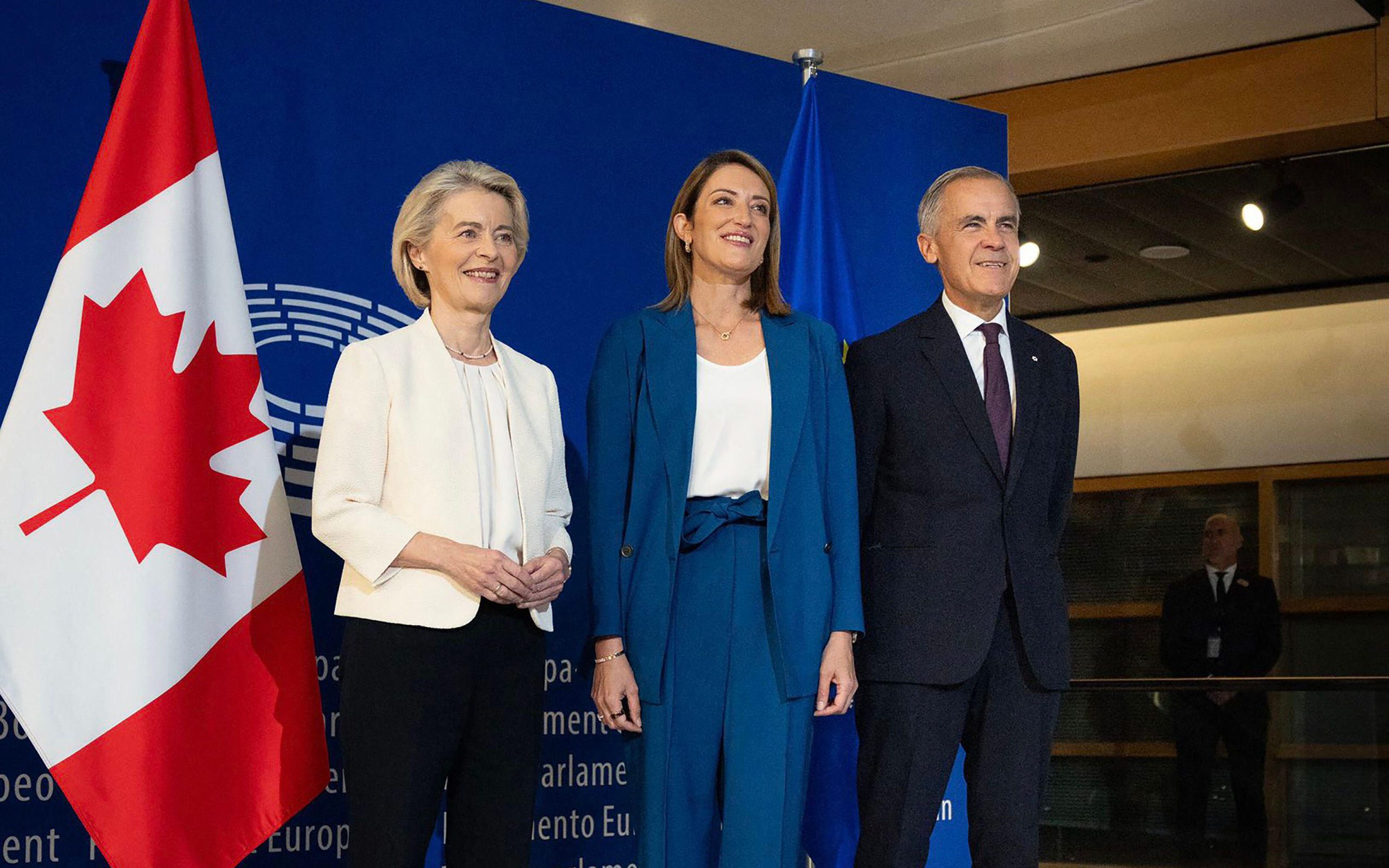
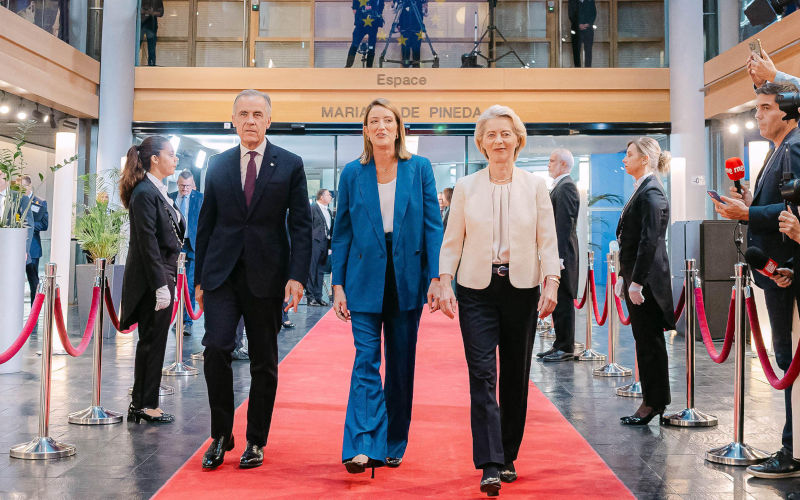
Could a Europe-to-Asia alliance tackle autocracy and redraw the world trading map?
Canada’s proposed new relationship with the EU opens the door to a much bigger idea: a trade and cooperation bloc spanning Europe and the Asia-Pacific, built around the rule of law, democratic consent and stable international agreements. (more…)
-
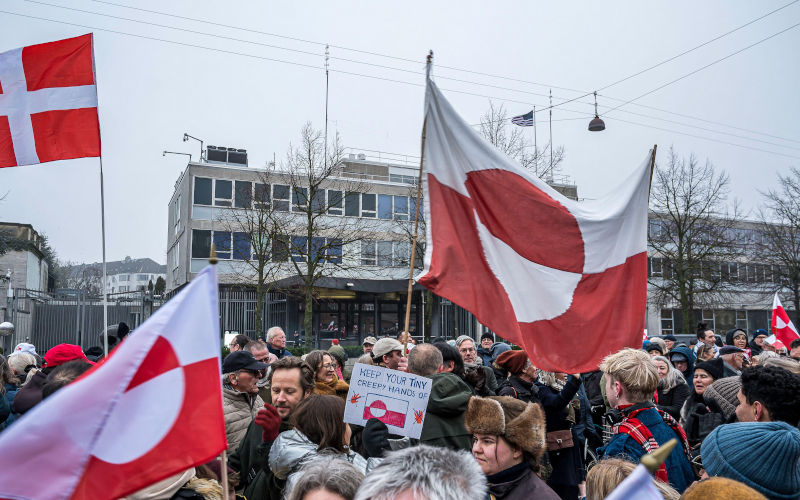
Trump claims Greenland victory – but what has actually changed?
Trump claims a new agreement gives the US permanent control over Greenland’s security, but Danish and international observers question how much has changed from existing arrangements. Denmark and Greenland insist their sovereignty remains intact.
-
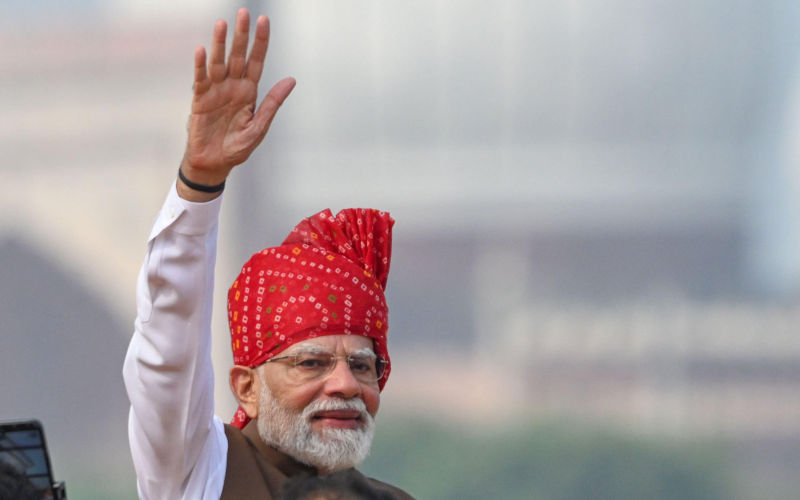
Eighty years after independence, India faces a crisis of identity and institutions
Youth unemployment, economic inequality, religious nationalism and growing tensions between India’s states are placing mounting pressure on its democratic institutions and federal system. (more…)
-
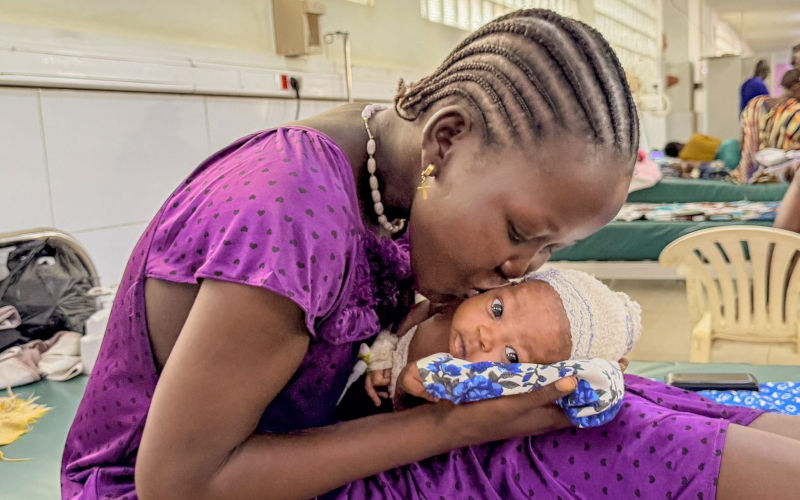
South Sudan: the human stories the camera cannot capture
Behind the photographs of South Sudan’s humanitarian crisis are stories of violence, grief and preventable deaths that cannot always be captured on camera. Ethical storytelling means finding ways to bear witness to those lives, too. (more…)
-

Australia needs UN votes. Its position on Gaza will matter
Australia’s bid for a 2029–30 UN Security Council seat raises the stakes at this month’s General Assembly, where Gaza, international law, climate and relations with the Global South will all matter. (more…)
-

Trading urban green space for concrete is a bad bargain
As cities grow and land becomes scarcer, mature parks and urban forests are increasingly under pressure from development. But their cooling, ecological and public health benefits cannot simply be replaced later. (more…)
-
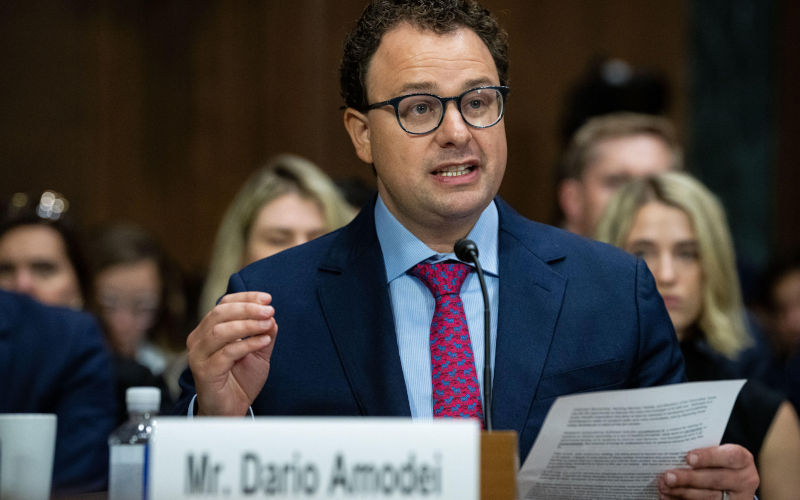
Slowing AI is not enough. Governments need to govern
Calls from AI leaders to slow frontier development are welcome, but companies whose profits depend on the technology should not decide how much risk society must accept. (more…)
-
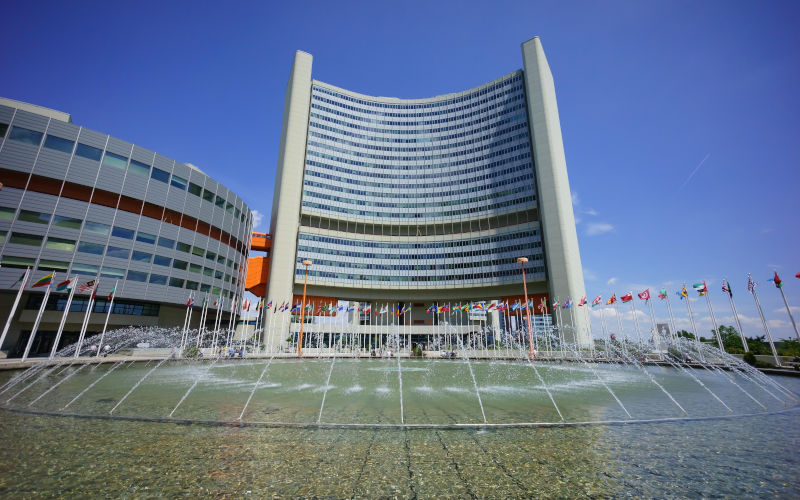
Funding crisis leaves UN nuclear watchdog begging for resources
The International Atomic Energy Agency faces a serious funding crisis as major contributors delay payments, putting nuclear safeguards, safety and security work at risk and exposing deeper problems with how the agency is financed. (more…)
-
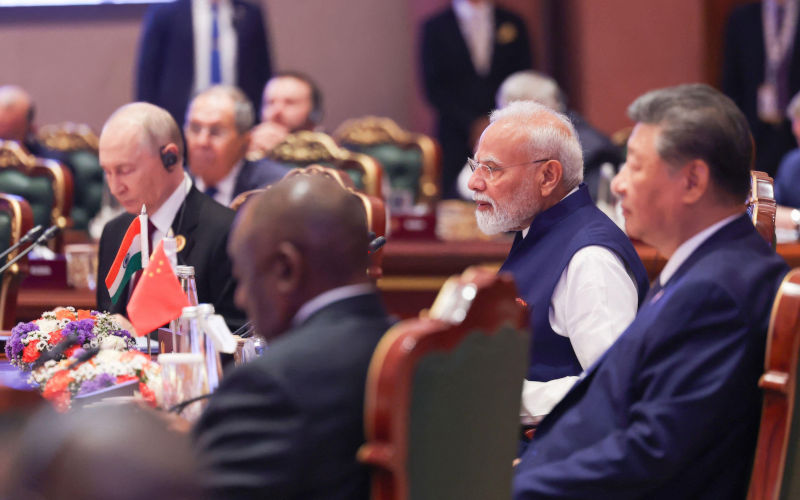
BRICS builds alternatives as Washington turns up the pressure
BRICS emerged from New Delhi with plans to deepen financial and technological cooperation, as US tariffs and sanctions push the expanded bloc towards practical alternatives to Western-dominated systems. (more…)
-
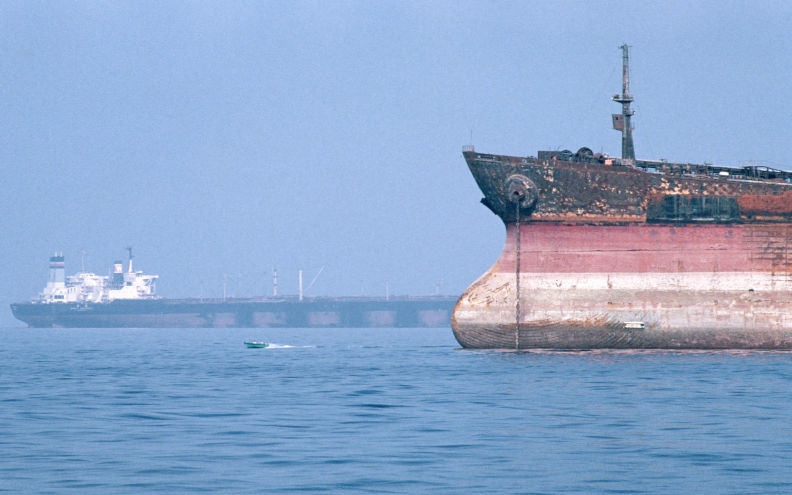
US says Hormuz is under control. Oil markets say otherwise
Oil prices have surged above $107 as shipping through the Strait of Hormuz remains constrained and attacks threaten alternative Gulf export routes. (more…)
-
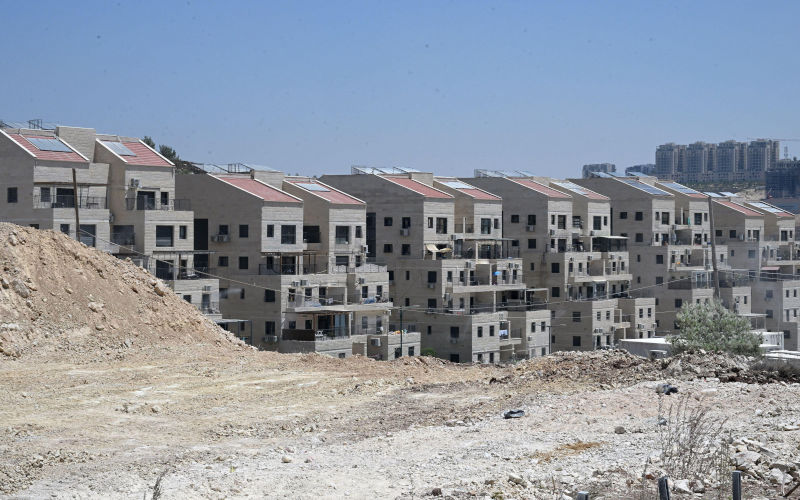
A visit to the West Bank: homeland and legal apartheid – part four
In the final part of a four-part series, expanding Israeli settlements and land acquisition reveal how security, law and political power are reshaping Palestinian life across the occupied West Bank. (more…)
-
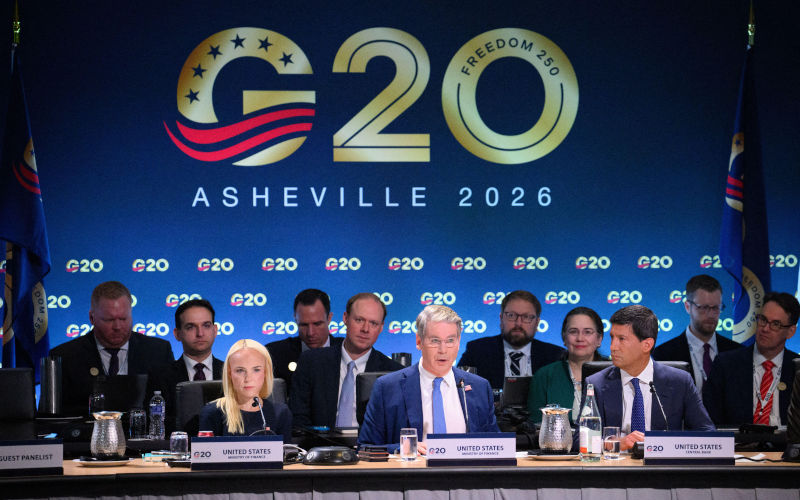
Blaming China for building better value is not a strategy
China’s manufacturing advantage cannot be explained by subsidies alone. Tariffs may offer temporary protection, but rebuilding Western industry requires investment in skills, capacity and competitiveness rather than simply blocking imports. (more…)
-
Paul Keating’s AUKUS hostility reflects his passion for hard‑nosed realism over subservience
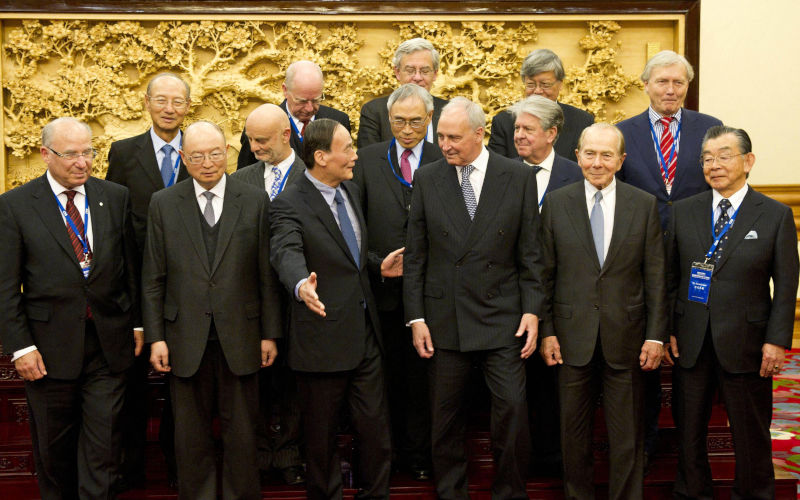
James Curran’s ‘Grand Ambition’ traces Paul Keating’s attempt to reshape Australia’s place in Asia – and the enduring realism behind his opposition to AUKUS. (more…)
-
A visit to the West Bank: security apartheid – part three
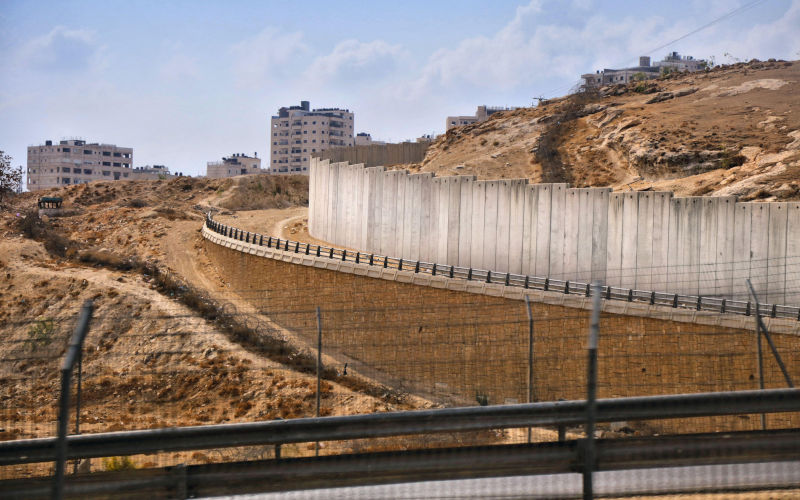
Israel’s expanding security regime across the West Bank is reshaping Palestinian life. In part three of a four-part series, Jeremy Webb considers whether these measures amount to institutionalised apartheid. (more…)
-

A visit to the West Bank: social and religious apartheid – part two
In part two of a four-part series, daily life in the West Bank reveals how checkpoints, travel restrictions and controls over religious and cultural life shape Palestinians’ experience of Israeli occupation. (more…)
-

What 9/11 taught us about coexistence
Twenty-five years after 9/11, divisions over Islam, identity and conflict remain powerful, raising an enduring question about how diverse societies can live together without turning cultural difference into fear and hatred. (more…)