
Global military spending is soaring while the United Nations faces financial crisis, even as conflicts rise and the need for cooperative security becomes more urgent. (more…)
Category: Defence
-
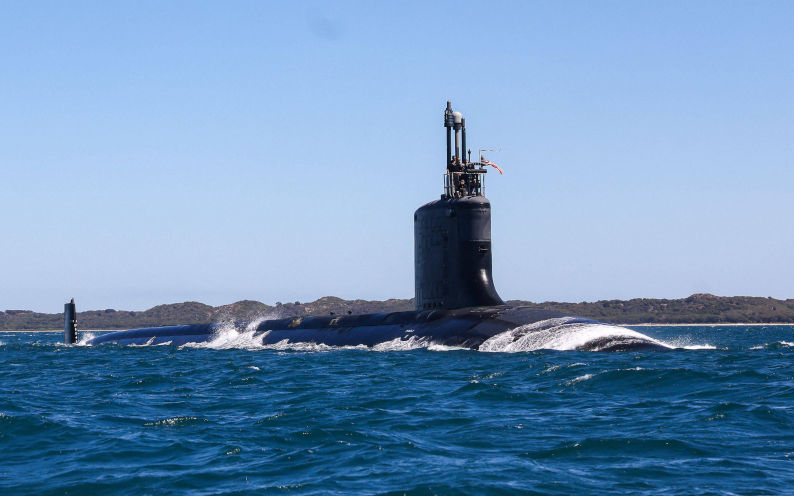
Are US subs really temporary visitors?
Pat Conroy’s assurances about US submarines at HMAS Stirling raise more questions than they answer about rotation, sovereignty, nuclear ambiguity and Australia’s control of its own naval base. (more…)
-
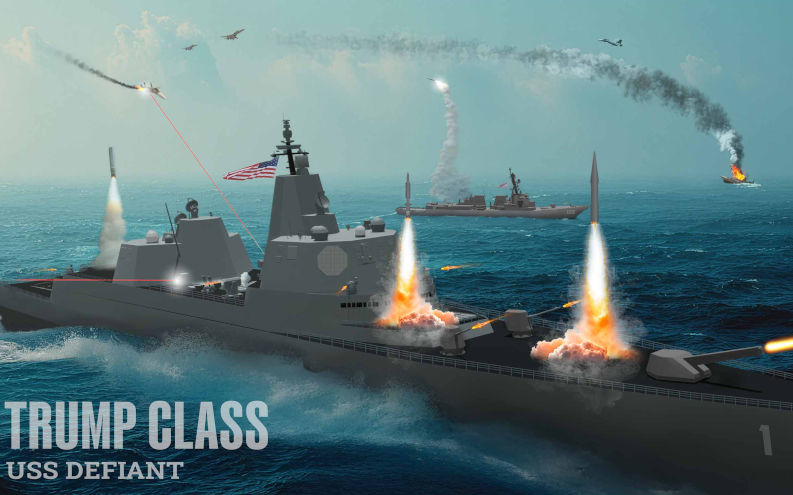
Trump’s vanity battleship exposes AUKUS reactor problem
The planned nuclear-powered Trump-class battleship could place further pressure on already stretched US naval reactor supply chains, adding to doubts about Australia’s chances of receiving Virginia-class submarines. (more…)
-
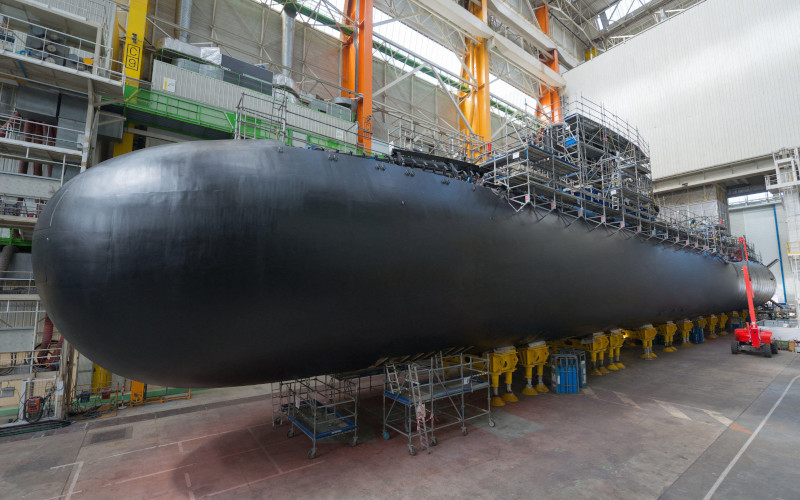
AUKUS Infrastructure, part 6: It is not too late to change course
In the final part of a six-part series on AUKUS infrastructure, Peter Briggs argues that Pillar 1 cannot deliver on schedule or budget, and that Australia should pause its HEU pathway and assess proven LEU alternatives. (more…)
-
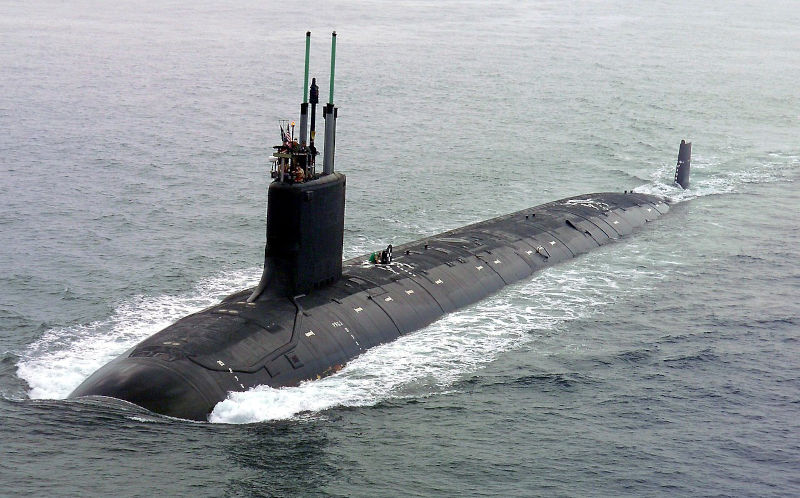
AUKUS infrastructure, part 5: The HEU problem
In the fifth of a six-part series on AUKUS infrastructure, the choice of highly enriched uranium raises questions about proliferation, safety, waste, regulation and the civil burden placed on Australian shipyards. (more…)
-

Picturing armageddon: Will Trump listen to the next nuclear war film?
Films about nuclear war have often been dismissed by officials as inaccurate, alarmist or merely fictional, but their real power lies in forcing audiences to confront the madness of nuclear annihilation. (more…)
-
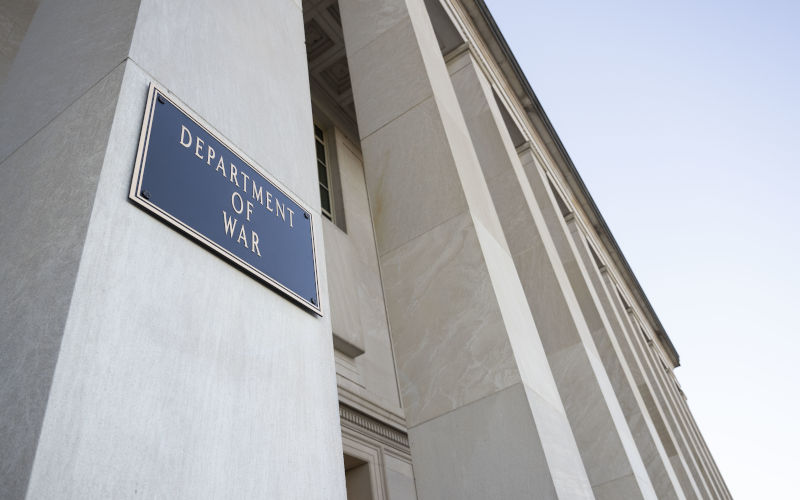
The Pentagon is burning the bridge before building the road
The US is worried about dependence on Chinese critical minerals, but its rushed deadline ignores the years of investment, infrastructure and allied cooperation needed to rebuild industrial capacity. (more…)
-
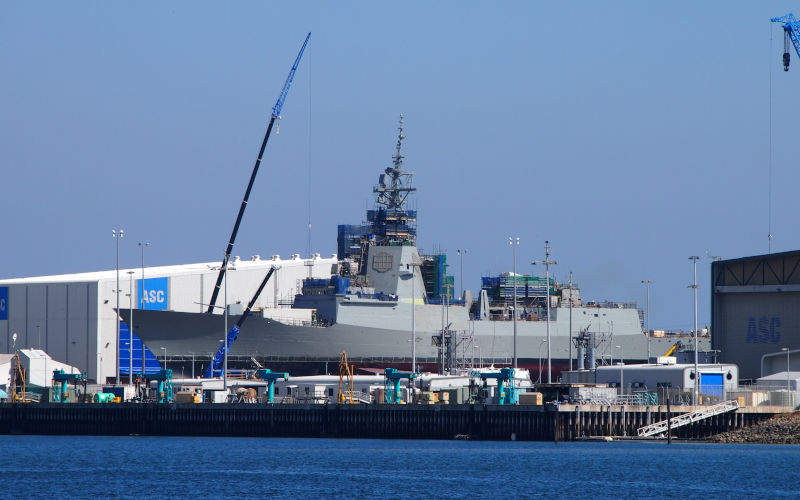
AUKUS infrastructure, part 3: The Osborne construction enterprise
In the third of a six-part series on AUKUS infrastructure, Osborne’s submarine yard is making visible progress, but unfunded stages, nuclear licensing, supply-chain dependence and the absence of an embedded graving dock pose major risks.
-

The myth of a joint Pine Gap
While Washington sets the priorities and commands decision-making, Australian operational staff at the base are outnumbered by Australian ‘guards and gardeners’. (more…)
-
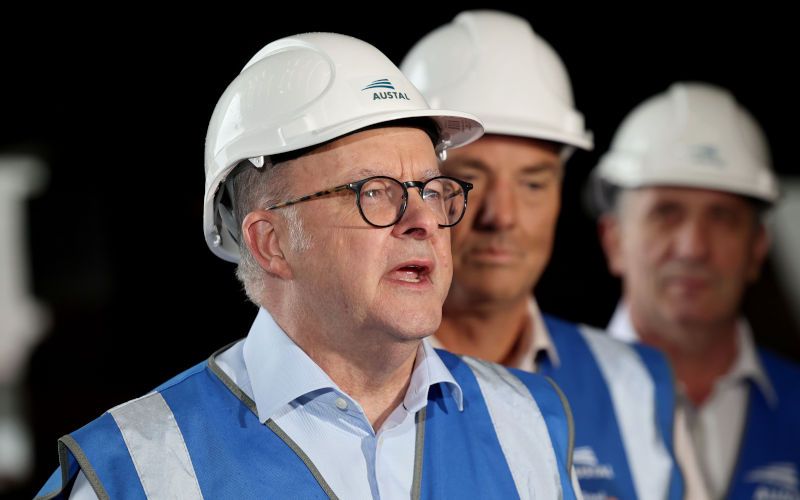
AUKUS Infrastructure, part 2: The Henderson bottleneck
In the second of a six-part series on AUKUS infrastructure, the focus shifts to Henderson, where fragmented land tenure, commercial disruption and regulatory delays could block the facilities needed to sustain nuclear-powered submarines. (more…)
-
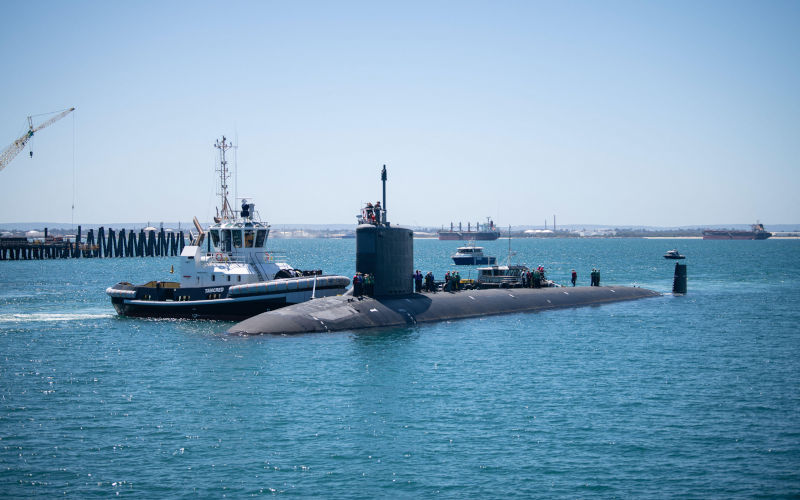
AUKUS infrastructure, part 1: The docking gap that could sink Pillar 1
The first in a six-part series examines the maintenance reality behind AUKUS Pillar 1, and the looming risk that Australia may receive Virginia-class submarines before it has certified infrastructure to dock and sustain them. (more…)
-
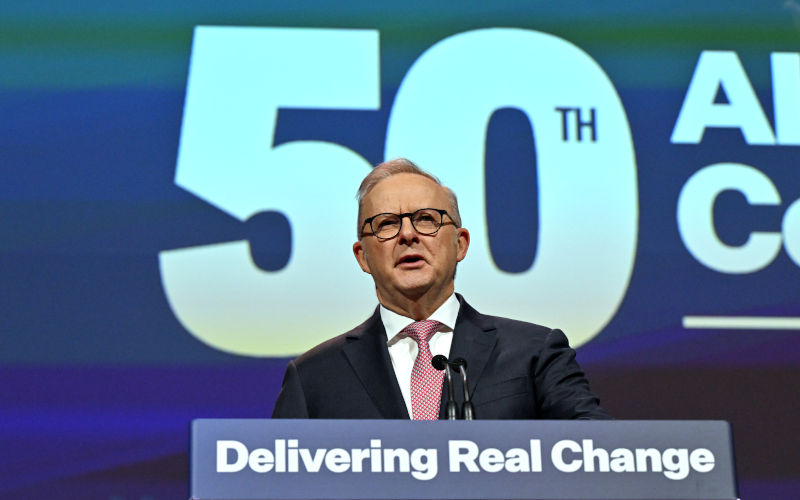
Albanese sees the problem. Labor still cannot name the system
Anthony Albanese acknowledged structural problems in the economy at its National Conference, but Labor still treats capitalism as a system to be repaired rather than transformed. (more…)
-

The US shipyard crisis sinking AUKUS
With more than a third of the US fast-attack submarine fleet sidelined by maintenance delays, the assumptions behind AUKUS Pillar 1 are looking less credible by the year.
-

The fantasy world of Hegseth’s testosterone bomb
Pete Hegseth’s testosterone militarism and calls to escalate against Iran reveal the dangerous fantasies shaping US war thinking. (more…)
-

Australia has served in Africa but failed to learn from it
Australia has contributed to African peacekeeping missions for decades, but that record has rarely translated into sustained policy knowledge or engagement.
(more…) -
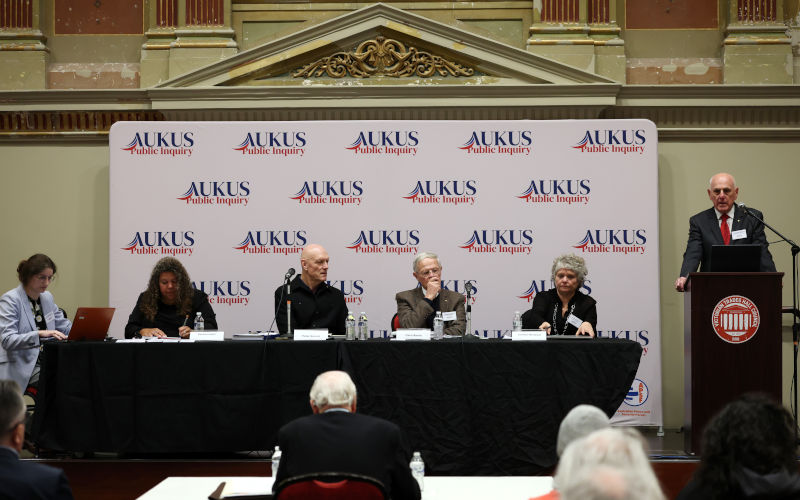
AUKUS is being exposed, but will anything change?
Evidence to the public inquiry into AUKUS is exposing risks around nuclear accidents, sovereignty, jobs, waste and Australia’s role as a US military base. (more…)
-
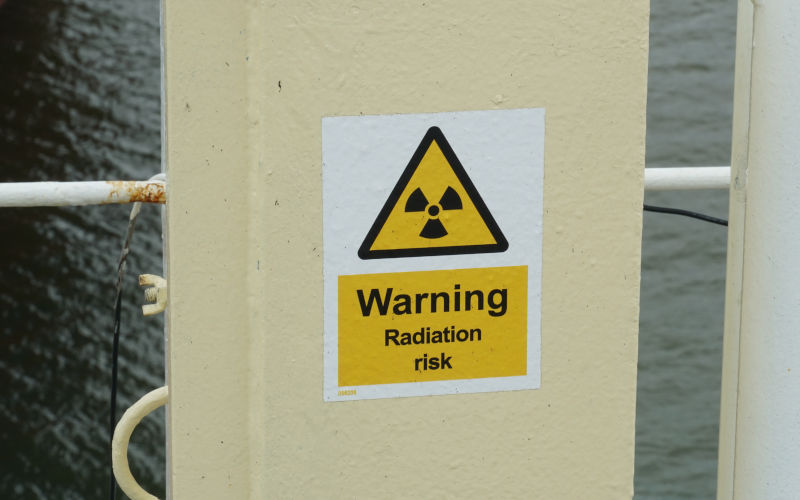
AUKUS leaves Australia with the long nuclear goodbye – part two
In the second of a two-part series, Peter Briggs examines the decommissioning, dismantling and waste-disposal risks Australia will inherit from AUKUS reactors. (more…)
-

Climate, not China, is the Pacific’s real security threat
Australia and New Zealand warn about China’s missile test while spending billions on military integration and lagging on the climate threat facing Pacific neighbours. (more…)
-
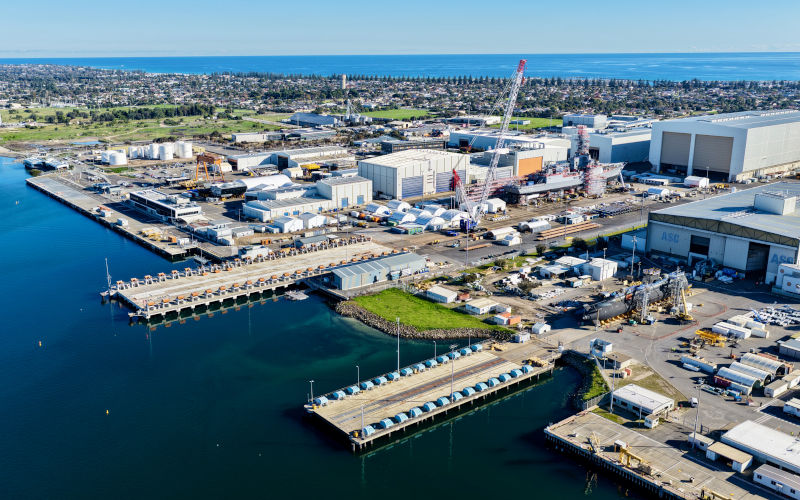
Before the AUKUS submarines arrive, Australia inherits the risks – part one
In the first of a two-part series, Peter Briggs examines the technical and security risks of relying on highly enriched uranium and an unproven British reactor design for AUKUS submarines. (more…)
-

Who restrains power when power refuses restraint? – Message from the Editor
Across this week’s pieces on P&I, the same question keeps appearing: who or what restrains power when the powerful decide restraint is optional? (more…)
-
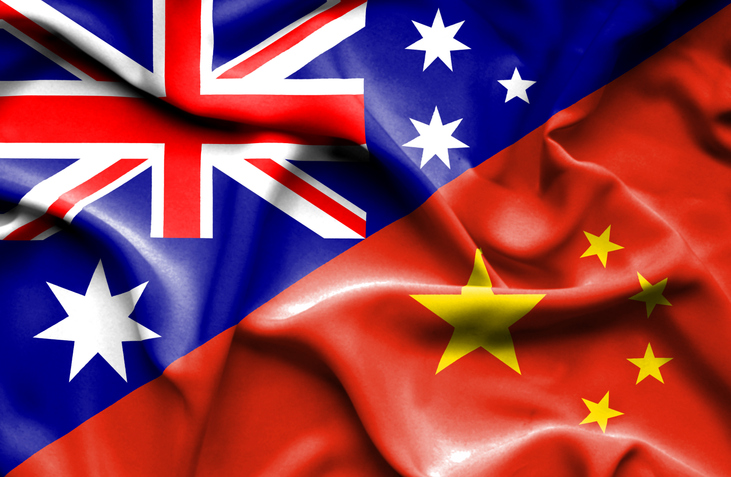
How big is the wolf? China in the Pacific
China’s Pacific missile test deserves scrutiny, but it should be understood in the context of decades of naval development and deterrence, not treated as proof of an imminent threat.
-
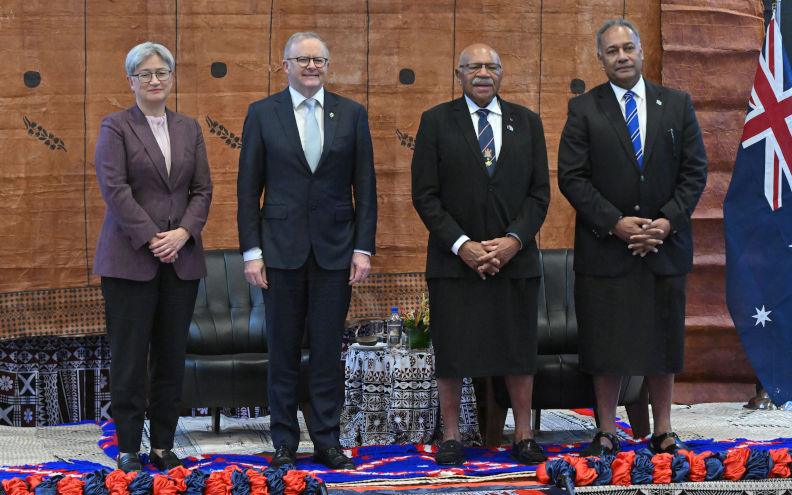
Australia’s new architecture in the Pacific should include China
Vulnerable Pacific Island states should have the freedom to keep their options open rather than being locked into collective defence alliances that are erroneously based on containing China. (more…)
-
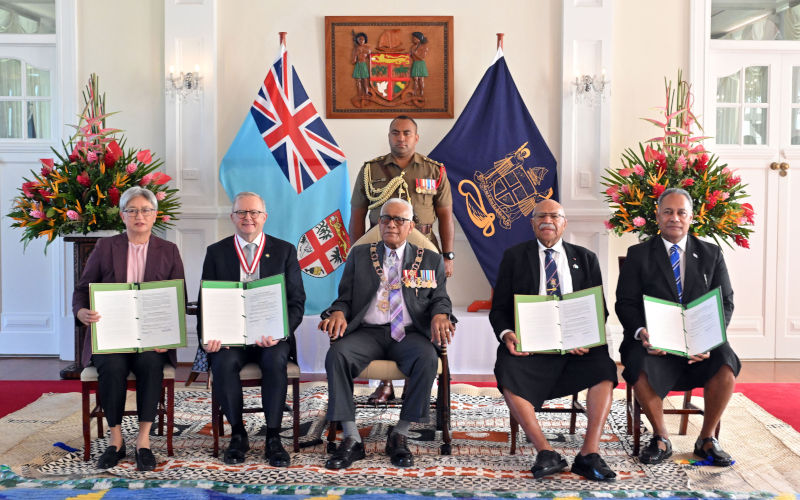
The hypersonic hypocrisy of Pacific nuclear politics
Australia and New Zealand rightly criticise China’s nuclear-capable missile tests in the Pacific. Their silence on repeated US tests exposes a glaring double standard. (more…)
-

Defence policy deserves more than slogans and selective history
Pat Conroy’s speech at the National Press Club was not a convincing presentation of the ALP’s record on defence. (more…)
-
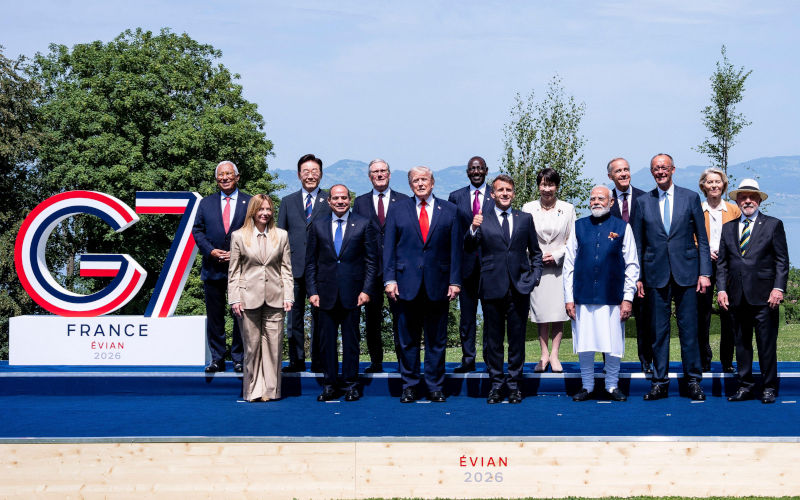
Diversifying the critical minerals supply chain
Reducing dependence on China in the world’s critical mineral supply chain doesn’t require building a separate market. The trading system must find a balance between defence interests and the push for decarbonisation. (more…)
-
Australia should take another look at France’s nuclear submarines
The choice between high- and low-enriched uranium submarines will shape Australia’s nuclear security, waste and non-proliferation obligations for generations. (more…)
-
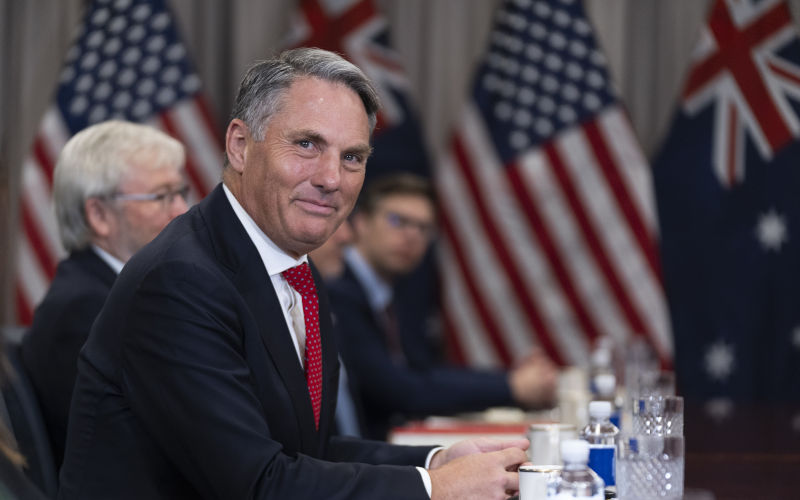
Fraser, Whitlam, Albanese and national sovereignty
Malcolm Fraser and Gough Whitlam both warned against surrendering Australian sovereignty to US military and intelligence interests, but AUKUS and the Albanese government’s foreign policy have deepened that dependence. (more…)
-

We are spending billions on war and pennies on peace
Investing in the prevention of conflict is a better way to ensure a safer and more prosperous future than money spent preparing for and fighting wars. (more…)
-
The AUKUS mirage: why Australia needs a pragmatic pivot to Plan B
Australia still needs nuclear-powered submarines for long-range sea denial, but the current AUKUS pathway is too slow and risky, making a locally built conventional fleet essential to avoid a dangerous capability gap.
(more…) -
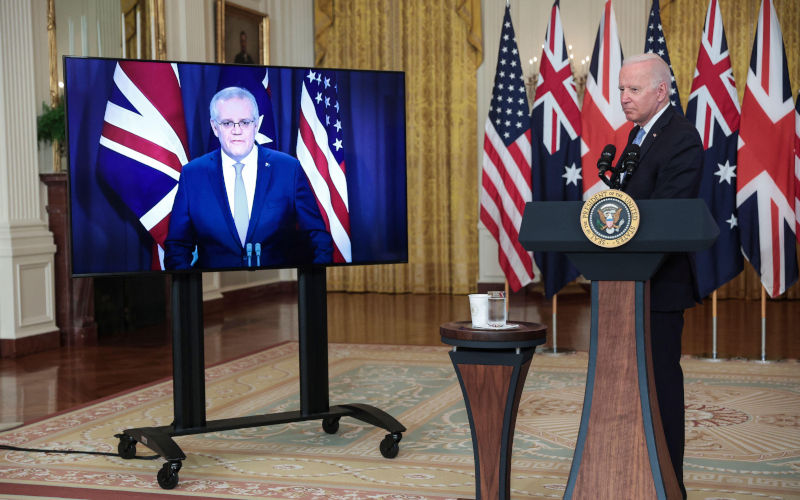
The tragedy of AUKUS
In his submission to the AUKUS Public Inquiry, Joe Camilleri argues revoking AUKUS must be part of wider reassessment of Australia’s place in the world. (more…)