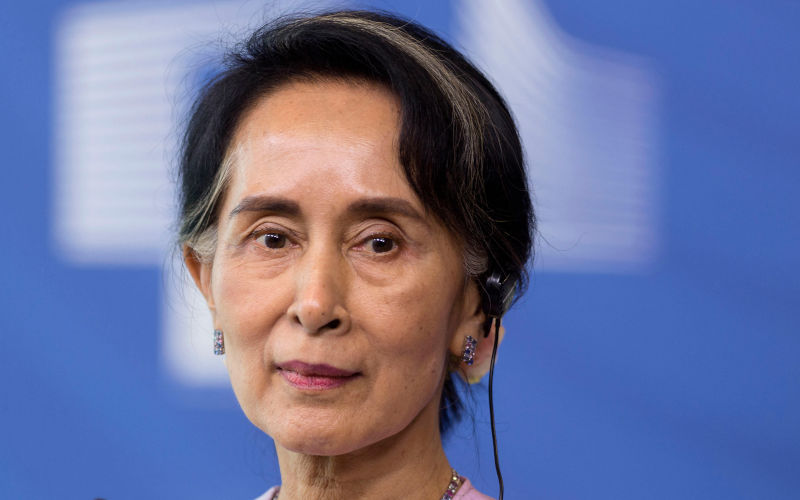
Myanmar’s regime has made some gestures to stabilise its internal situation, moving Aung San Suu Kyi to house arrest, releasing other political prisoners and holding (widely disparaged) elections. This is unlikely to appease its opposition forces, who want the regime gone. (more…)
Category: World
-
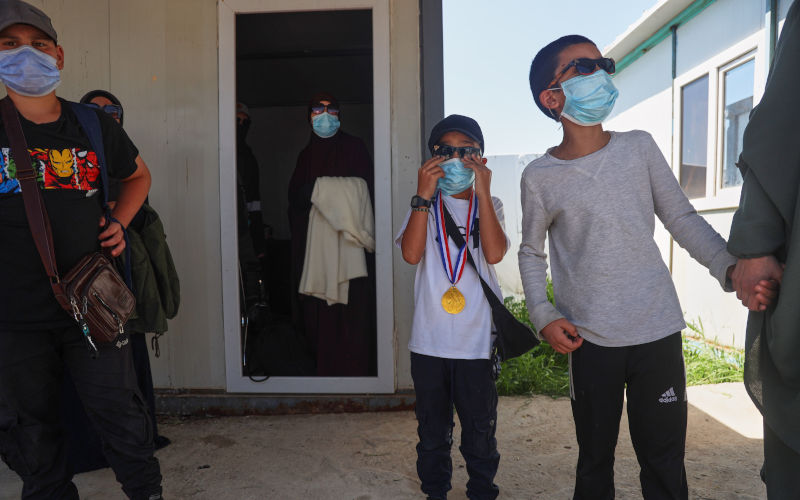
Return from Syria of four Australian women is no threat, but our cruelty to their kids is shameful
The return of four Australian women and nine children from Syria after the conflict with Islamic State is no cause for alarm and should not be politicised. Now is the time for their rehabilitation and reintegration into the community. (more…)
-
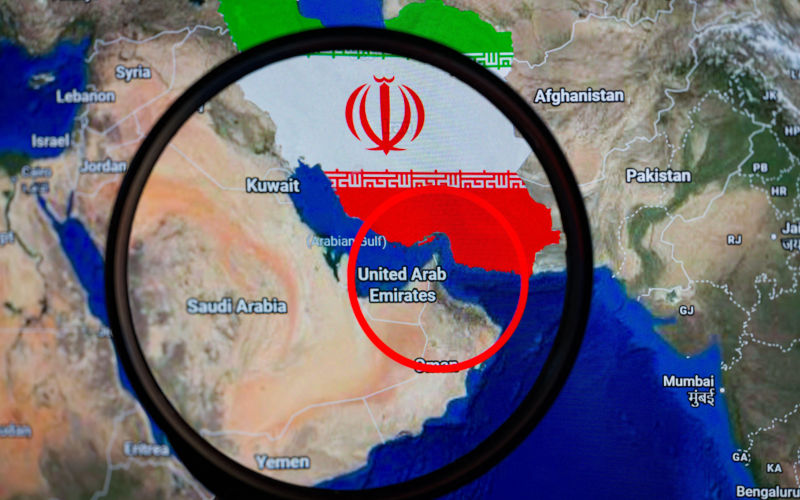
Trump’s blockade, Iran’s defiance: public messaging in the time of war
In the current Iran war, both sides are seeking to shape the narrative surrounding whatever agreement eventually emerges. This entails public rhetoric that may not align with quieter negotiations taking place between the US and Iran. The world is watching not necessarily the collapse of diplomacy but its transformation into a more public form of political performance. (more…)
-
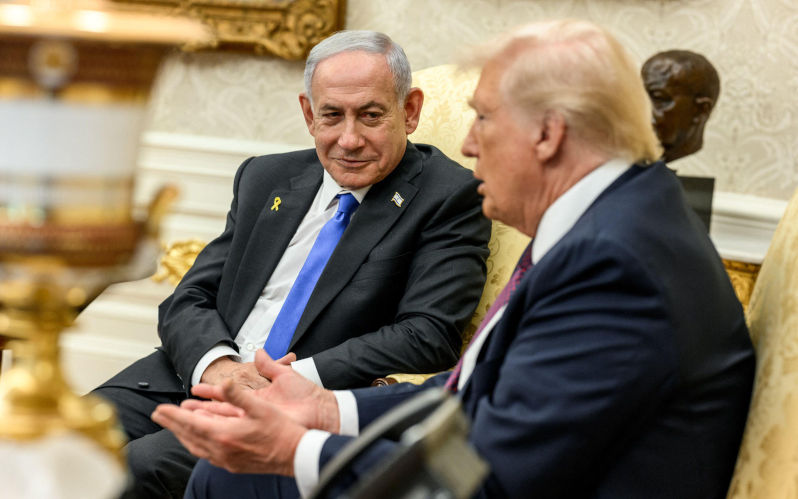
US support for Israel is faltering
The political consensus in America that sustained unconditional US support for Israel was built over decades; it will not be dismantled quickly. But the direction of change is now clear. The shift in public opinion away from supporting Israel reflects generational change. That demographic trajectory will not reverse. (more…)
-
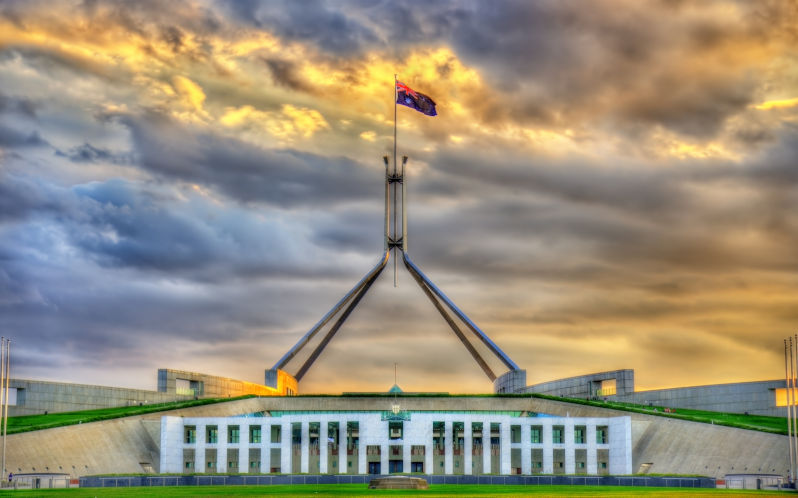
Australia: don’t join the war crime
Australia is expected to consider this week a request from the US to join a coalition of allies in a military effort, the ‘Maritime Freedom Construct’, to reopen the Strait of Hormuz. Australia should refuse, even in the unlikely event that others join. (more…)
-

A just war: Pope Leo and President Trump
Pope Leo XIV has spoken on several occasions about the urgent need to seek peace and not war. President Trump and other American politicians have essentially told him to mind his own business and to stick to issues of religious teaching and belief. But Pope Leo is sticking to his essential business of providing ethical and moral leadership. (more…)
-
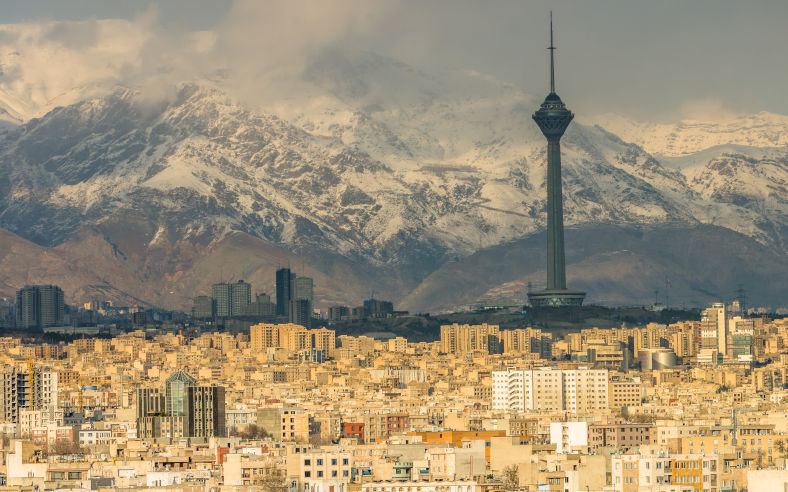
Modern warfare requires cultural intelligence
Washington’s failure to subdue Tehran stems in part from overlooking the Iranian mindset moulded by Persian civilisational pride and the Shiite sense of martyrdom. It underscores the value of cultural intelligence as the third pillar of warfare, alongside human and singal intelligence. (more…)
-
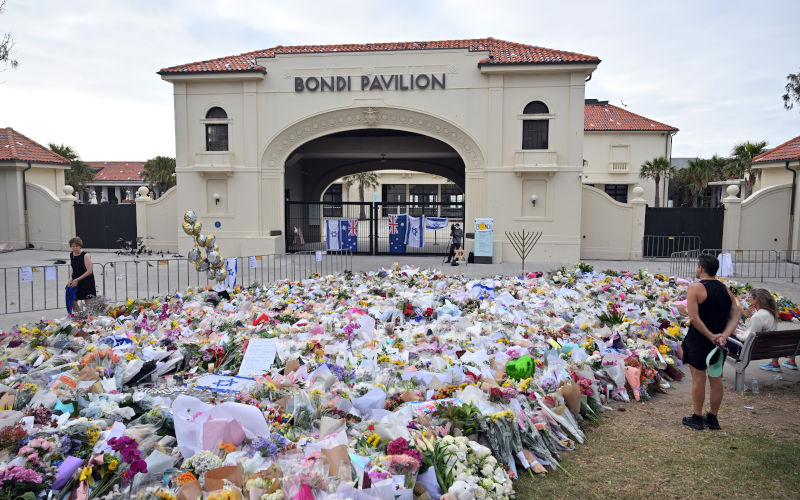
Let’s hope Bell looks for real antisemitism, not being anti-Israel
Here’s hoping that the royal commission into the Bondi massacre of last December does not turn into partisan point-scoring, least of all over whether the Albanese government effectively ’caused’ the tragic massacre by reducing its activity against antisemitism in the aftermath of the October 2024 Hamas attack on Israelis. (more…)
-

What do we anti-Zionist Jews talk about when we talk about Zionism?
Non-Zionist Jews lament the conflation of all Jewish life with a creed of bigotry, insularity and belligerence. They must call out Israel’s crimes against humanity and call for the dissolution of the Zionist state. Otherwise, antisemitic voices will continue to equate Judaism with Zionism. (more…)
-
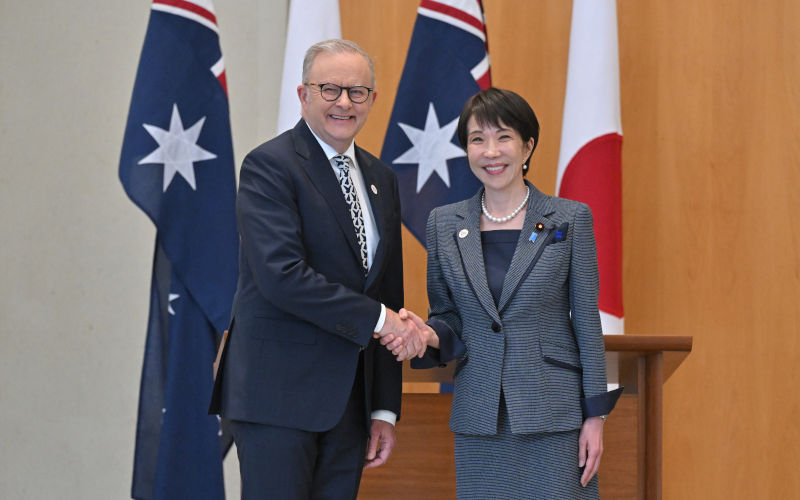
Japan: firm friend or potential foe?
Japan’s Prime Minister, Sanae Takaichi, who is visiting Australia from 3 to 5 May 2026, shares the anti-China feelings of most Japanese hard-liners. This colours her foreign policy. (more…)
-
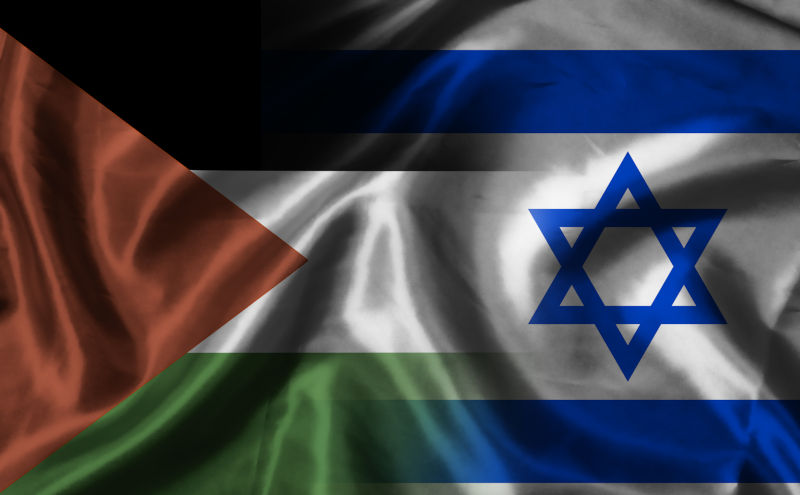
The cost of turning identity into blame
The conflict in Gaza that has fuelled antisemitism and Islamophobia is spilling into everyday life. People are starting to blame individuals and communities for the actions of governments or armed groups. This is dangerous. (more…)
-

The Iran war shows cheap missiles beat expensive defences
The Iran conflict is revealing a stark imbalance in modern warfare, where cheaper weapons are overwhelming costly defence systems and testing the limits of US military strategy. (more…)
-
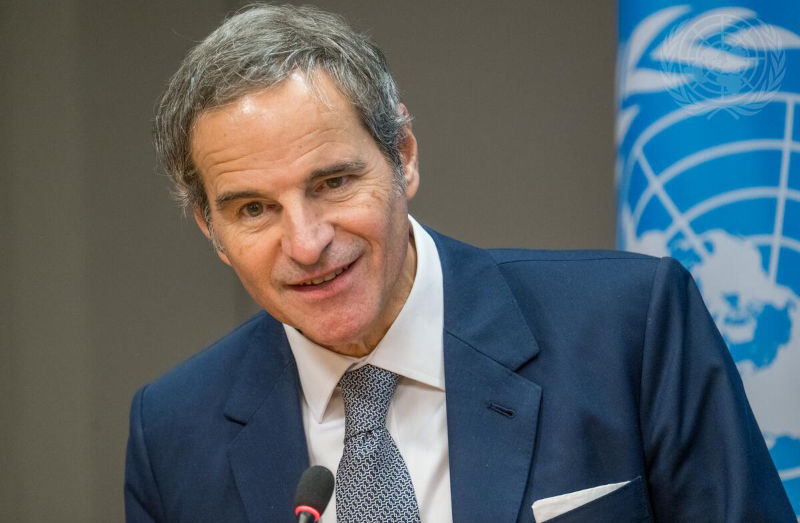
Nuclear disarmament is stalling – and the risks are growing
As global tensions rise, nuclear-armed states are failing to meet their disarmament obligations under the Non-Proliferation Treaty, while recent conflicts risk accelerating proliferation. (more…)
-
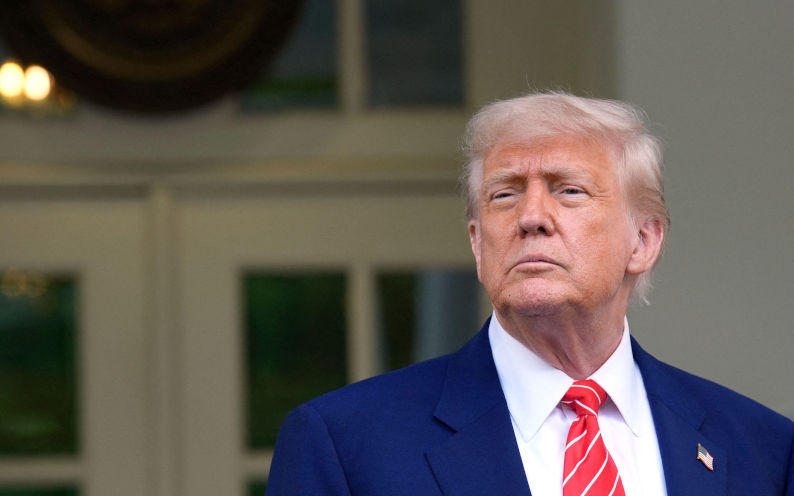
A $25 billion offer? Inside Trump’s push to end the Hormuz crisis
Reports from Israeli sources suggest Donald Trump is considering a multibillion-dollar payment to Iran to end the Strait of Hormuz blockade, exposing divisions within the US administration and tensions with Israel.
(more…) -

Rethinking Australia’s place in the world in an era of fracture
As part of our Foreign Policy Rethink series, Joseph Camilleri sets out the case for breaking with a militarised, US-aligned mindset and building a more independent, cooperative approach to security and global engagement. (more…)
-
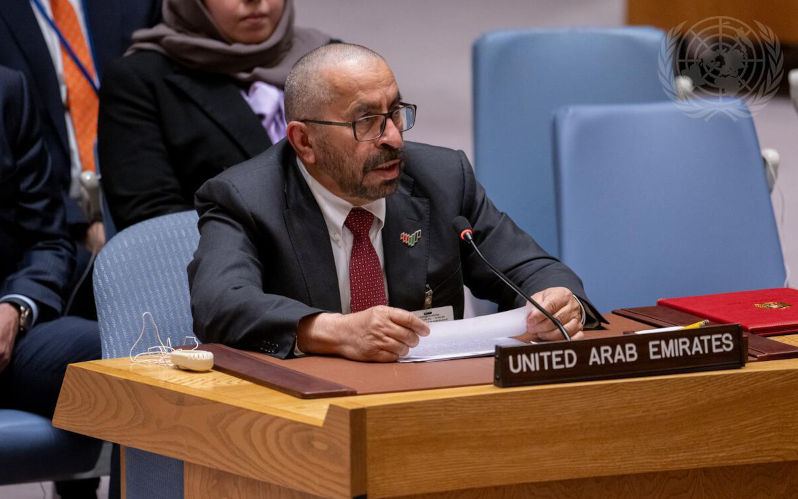
Iran is holding the line – and the US strategy is unlikely to break it
Sixty days into the conflict, Iran has held its ground in the Strait of Hormuz, while US pressure has failed to force concessions – raising the risk of escalation, oil disruption and wider global instability.
-

Contracting strategy to think tanks: catering to America’s fantasies of even more war
US think tanks play a central role in shaping military strategy and future conflicts, embedding a long-standing logic of war that allies are expected to support.
-
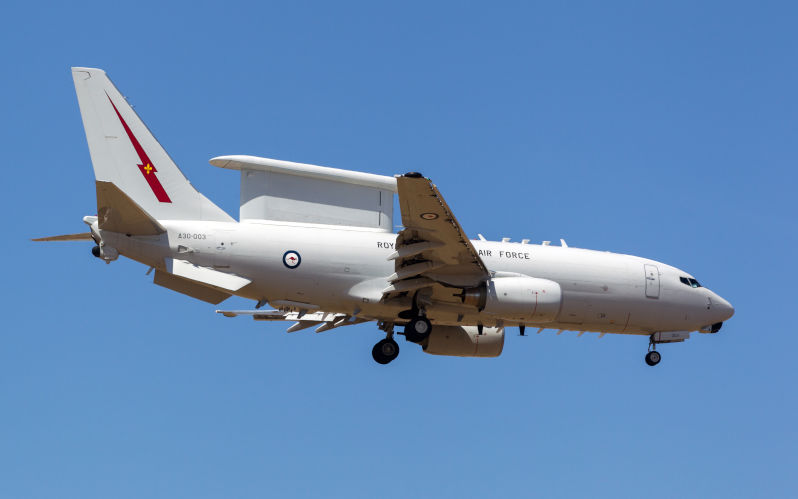
Mission creep in the Gulf shows Australia hasn’t learned from past wars
Australia has again joined a US-led conflict with little transparency or debate, raising the risk of mission creep, economic costs and another drawn-out military failure. (more…)
-
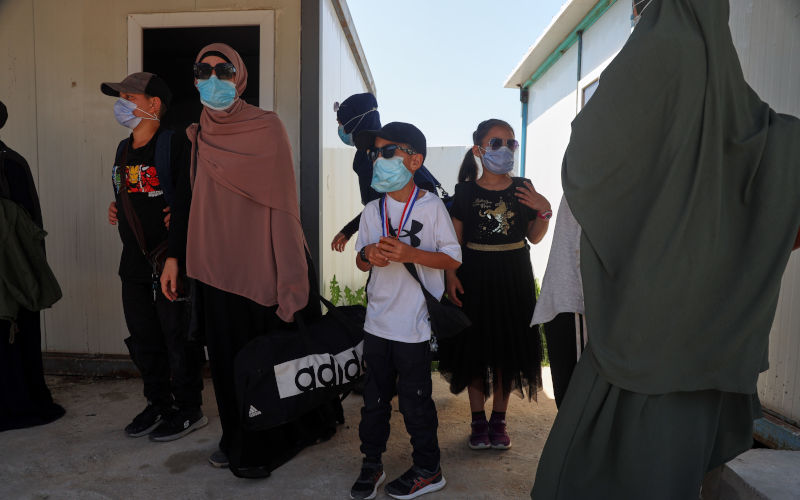
Virtue, not values, defines who we are
In debates over repatriation, protest and politics, the real test is not what we say we value, but the virtues we are willing to uphold as a society.
-
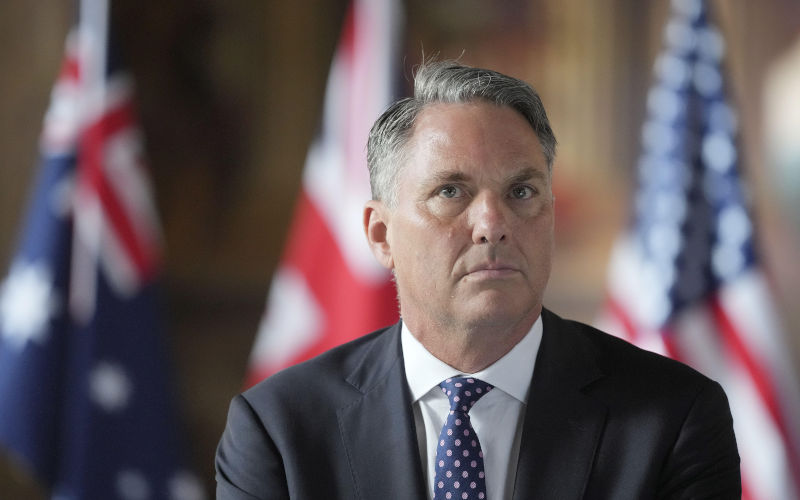
Australia can’t have self-reliant defence and nuclear submarines
In the latest in our Foreign Policy Rethink series, Mike Gilligan argues that Australia’s renewed focus on defence self-reliance is incompatible with its deepening commitment to AUKUS and nuclear submarines. (more…)
-

Nuclear disaster threat posed by war in sharp relief 40 years after Chernobyl
Attacks on nuclear facilities in Ukraine are highlighting the growing risks of nuclear power in a world marked by conflict, instability and climate extremes.
(more…) -
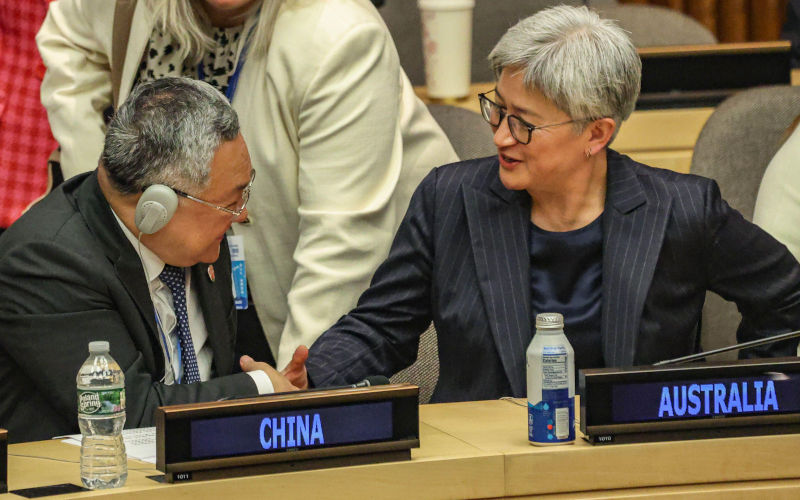
Australia’s foreign policy needs renovation, not demolition
In the latest of our Foreign Policy Rethink series, Peter Varghese outlines how alliance, region and multilateralism must be recalibrated for a more contested and uncertain global order. (more…)
-

We could have had fuel security by now. Let’s not make the same mistake twice
Electric vehicles are now cost-competitive and critical to reducing exposure to global fuel shocks, making faster adoption a matter of economic and national security. (more…)
-
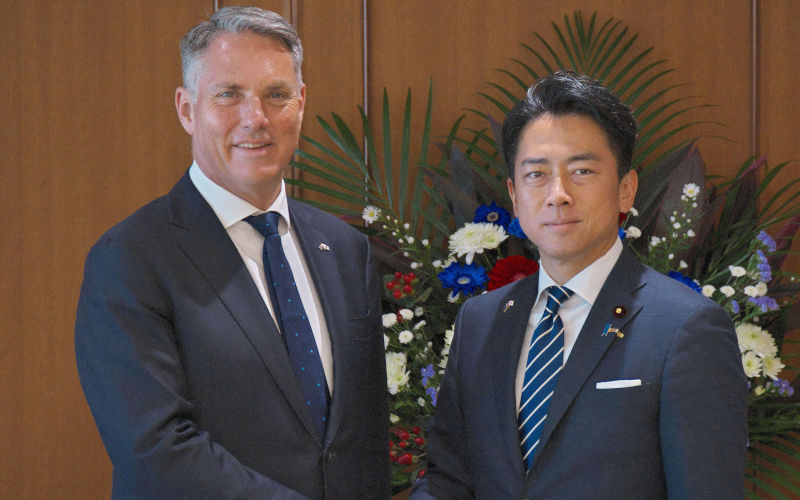
Australia and Japan need a new compact for comprehensive security
The Australia–Japan relationship is critical to energy, economic and regional security, and must be strengthened to respond to a more fragmented and uncertain global order. (more…)
-

The Trump–pope clash echoes a centuries-old struggle
Conflicts between political leaders and religious authority have shaped Western history for centuries – and continue to define debates over power and legitimacy today. (more…)
-

Japan’s arms sales, fatal law, and the K-pop community – Asian Media Report
Tokyo’s new weapons export rules, the never-ending China-Japan rift, Thucydides Trap’s historical flaw, Global South’s central ceasefire role, Asian fossil-fuels fall, and BTS manager’s arrest warrant. (more…)
-
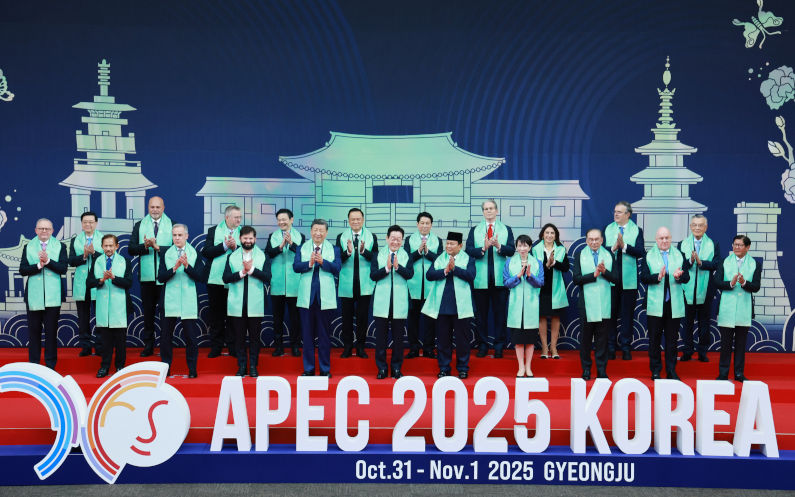
The return of great power relations: limits to middle power diplomacy – Part 4
As part of the Foreign Policy Rethink series, Geoff Raby sets out how middle powers can navigate a world of competing orders – and why a more independent, cooperative strategy is needed. (more…)
-
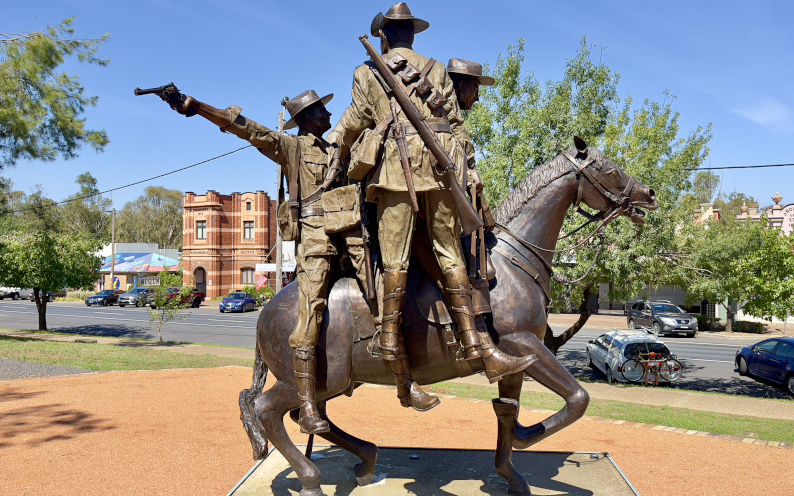
Bill the Bastard – An ANZAC legend
A personal Anzac Day reflection on service, sacrifice and the enduring lesson that war should be remembered, not glorified. (more…)
-

The return of great power relations: Xi Jinping’s global dream – Part 3
In the third part of his piece for the Foreign Policy Rethink series, Geoff Raby examines how middle powers can navigate a world of competing great powers – and why Australia’s current approach is becoming more vulnerable.
-

The Iran War is driving a global fertiliser shock
Disruption to fertiliser supplies through the Strait of Hormuz is driving up costs and raising the risk of a global food crisis, particularly in vulnerable regions.
(more…)